



A restaurant patio has the power to shape expectations before a guest sees a menu, meets a server, or tastes the food. When the exterior feels warm and intentional, guests can view the space as part of the restaurant rather than an extra area. That distinction matters because an attractive patio can establish the tone for the entire visit before anyone reaches a table.
A successful outdoor area does not need excessive décor or a dramatic renovation to earn attention from guests. It needs a clear identity that reflects the restaurant and gives each visitor a reason to feel comfortable from the start. Learning how to make a restaurant outdoor space more inviting will help create an area that feels distinctive without sacrificing the practical demands of daily restaurant service.
Make the Entrance Feel Like an Invitation
The guest experience starts near the property entrance, where the exterior can communicate the restaurant’s personality before personal contact occurs. A patio that appears orderly and approachable gives guests immediate confidence that the restaurant pays attention to its overall presentation. That impression can influence how visitors perceive the atmosphere before they even decide where they would prefer to sit.
The entrance should draw attention toward the restaurant without overwhelming guests with unnecessary visual details or creating uncertainty about where to go. Its appearance should feel connected to the patio and establish a smooth visual transition toward the restaurant doors. A clear sense of arrival can make the entire property seem more refined and help the exterior establish immediate appeal.
Select Furniture That Encourages Guests to Stay
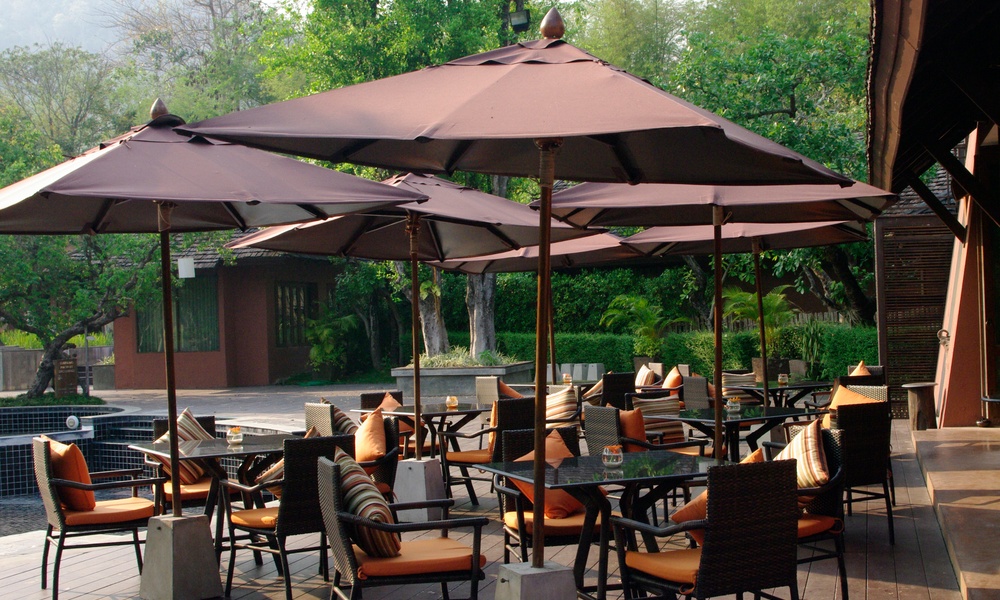
Outdoor furniture affects much more than appearance because guests notice discomfort almost as soon as they take their seats. A chair that feels supportive can help the patio seem more welcoming and allow guests to focus on the meal. Tables should also suit the restaurant’s service style without dominating the available space or making each guest feel confined.
The furniture should complement the character of the restaurant instead of competing with the architecture for visual attention. Commercial pieces also need enough durability to preserve their appearance despite regular use and exposure to exterior conditions. When comfort and style feel natural together, guests can enjoy the patio without noticing the practical decisions that support their experience.
Give Guests More Control Over Outdoor Comfort
Weather can transform a pleasant patio into an uncomfortable space within a short period, so adaptable protection can have considerable value. A well-designed overhead structure helps the exterior feel more complete and can give guests greater confidence in their table choice. It can also add architectural presence without making the patio feel enclosed or disconnected from the open atmosphere guests expect outdoors.
A motorized pergola can make that flexibility feel like part of the restaurant design rather than a temporary response to weather. One of the main reasons to get a motorized pergola for your commercial property is the strong first impressions it can create. Its polished appearance can give the patio a defined identity and help guests associate the property with care from their arrival.
Use Natural Character With Purpose
Plant life can make a hard commercial exterior feel softer and more approachable without forcing the restaurant to adopt a completely different style. The right amount of natural character adds visual depth and can help the patio feel separate from nearby commercial activity. This effect works best when the greenery supports the architecture instead of hiding the details that make the property distinctive.
Owners should consider the scale of the patio before they add natural features because oversized elements can quickly dominate a compact area. Smaller spaces often benefit from restraint, since a few thoughtful touches can provide character without reducing useful room.
Create an Atmosphere That Changes After Sunset
A patio can feel completely different once daylight fades, and that transition gives restaurants another chance to strengthen their atmosphere. Soft illumination can make exterior tables feel intimate without creating a space that seems too dark for a comfortable meal. The result should flatter the surroundings and support easy conversation rather than draw attention toward the light source itself.
Restaurants should treat exterior light as part of the overall design instead of a practical feature added only for visibility. A warm atmosphere can encourage guests to see the patio as a desirable destination during dinner rather than a daytime option. When the space retains its character after sunset, the restaurant can present a more consistent experience across different service periods.
Give Every Table Enough Personal Space
Guests may admire an attractive patio at first glance, but cramped tables can quickly change their opinion once they sit down. Personal space allows conversation to feel more private and helps each table develop a sense of comfort within the broader atmosphere. The patio can still feel lively without forcing guests to hear every word from the table beside them.
Adequate space also allows restaurant staff to provide attentive service without repeatedly moving too close to seated guests. Servers should be able to approach each table naturally and leave without disrupting nearby diners or creating unnecessary interruptions. When the layout respects personal space, the patio can feel calmer even during periods with strong guest demand.
Protect the Atmosphere From Excess Noise
A restaurant patio should feel lively without forcing guests to compete with traffic, nearby conversations, or other disruptive sounds. These thoughtful changes can soften unwanted noise and preserve the social character that makes outdoor meals appealing:
- Add dense plants around patio borders to create a natural buffer between guests and nearby sources of noise.
- Place tables farther from streets, parking areas, service doors, or other locations where sudden sounds may interrupt conversations.
- Use decorative partitions to create more separation without making the patio feel closed off from the surrounding environment.
- Keep outdoor music at a moderate level that complements conversation rather than competes with guests throughout their meals.
- Review table placement during busy periods to identify areas where conversations become louder than the restaurant atmosphere should allow.
Let the Restaurant Identity Extend Outdoors
A patio becomes more convincing when it feels like a natural continuation of the restaurant guests already recognize inside. The exterior does not need to copy the interior exactly, but both areas should express the same personality. That connection helps the property feel complete and prevents the patio from resembling an unrelated space attached for extra capacity.
Owners can achieve this sense of unity through subtle design decisions rather than obvious brand references across every visible surface. The atmosphere should remind guests of the restaurant without requiring constant logos or decorative statements to establish that connection.
Creating an inviting restaurant outdoor space should feel intentional from the moment guests approach the property until they leave after their meal. The strongest patios do not rely on excess decoration to earn attention because their appeal comes from a clear and consistent atmosphere. Each choice should help the exterior feel comfortable, polished, and connected to the restaurant experience guests expect from the brand.
A restaurant does not need the largest patio or the most elaborate exterior to create a memorable outdoor experience. It needs a space that feels purposeful and gives guests a clear sense that their comfort matters from arrival through departure. When every detail supports that purpose, the outdoor area can become one of the restaurant’s most distinctive and inviting features.
About The Author

Got a Questions?
Find us on Socials or Contact us and we’ll get back to you as soon as possible.