




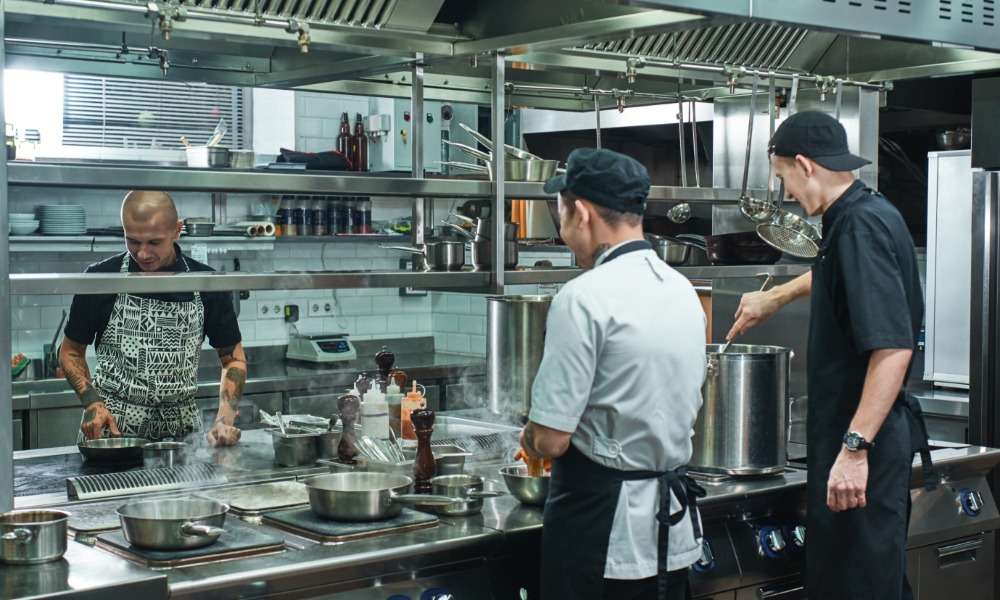
A productive kitchen doesn’t happen by accident. It comes from smart planning, dependable equipment, and routines that help every member of the team stay on pace throughout the day. Elevate your business by diving into this guide on how to run a more productive commercial kitchen.
Organize Every Workstation With Purpose
A cluttered prep area slows everyone down. Keep ingredients, utensils, and cookware close to the stations where employees use them every day. Staff will members spend less time walking across the kitchen, and service moves at a steadier pace. Even a few saved steps during each order create noticeable gains by the end of a busy shift.
Invest in Equipment That Fits Your Operation
Old or undersized equipment creates delays that ripple across the kitchen. Choose commercial ovens, refrigeration, prep tables, and cooking equipment that match your daily volume instead of pushing smaller units past their limits. Reliable equipment also reduces unexpected downtime and repair costs. Learning how to choose restaurant equipment will help you find the best hardware for your business today.
Standardize Daily Procedures
One very easy way to run a more productive commercial kitchen is to standardize your daily practices. Clear routines help employees stay on the same page from opening until closing. Written prep lists, cleaning schedules, and recipe guides create consistency across every shift. New team members also settle into their roles much faster with documented procedures. That structure reduces confusion and keeps service flowing smoothly during busy periods.
Keep Inventory Under Control
Running out of ingredients creates unnecessary stress for the kitchen and front-of-house staff. Review inventory on a regular schedule instead of waiting until shelves look empty. Label products clearly and rotate stock so older items get used first. That habit cuts food waste and helps purchasing decisions stay more accurate. Every commercial kitchen has room for refinement. Review your workflow from time to time, look for areas that slow the team, and tackle one improvement at a time.
About The Author

Got a Questions?
Find us on Socials or Contact us and we’ll get back to you as soon as possible.