




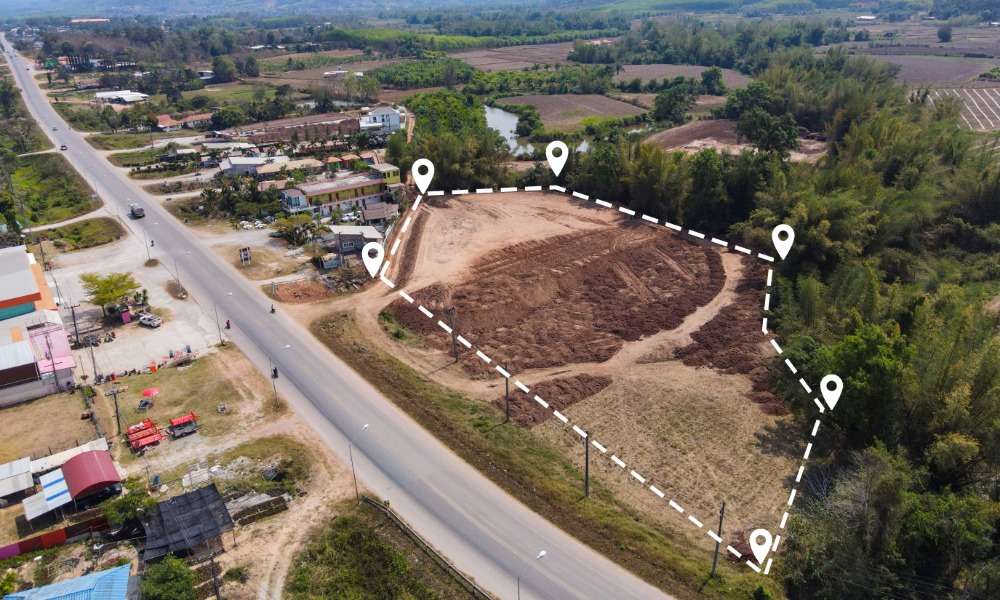
Buying land marks an exciting milestone, but your work doesn’t end when you sign the paperwork. Your next steps can protect your investment, help you avoid costly mistakes, and prepare your property for future plans. Whether you purchased land for a future home, recreation, farming, or long-term investment, taking a thoughtful approach right away will make ownership much easier. By focusing on inspections, planning, and maintenance, you can build a strong foundation for whatever comes next.
Review Your Property Documents
Start by organizing every document you received during the purchase. Keep your deed, survey, title paperwork, tax information, and purchase agreement in one secure location. Review the property boundaries and verify any easements or access agreements.
Understanding exactly what you own helps you avoid disputes with neighboring property owners and ensures you know your rights before making improvements.
Walk the Entire Property
Spend time exploring every section of your land. Walk the boundaries, note natural features, and identify any areas that need attention. Look for drainage issues, fallen trees, damaged fencing, or signs of erosion.
A thorough inspection gives you a better understanding of your property’s strengths and any challenges you should address before beginning projects.
Confirm Utilities and Access
Many first-time landowners assume utilities already exist nearby, but availability varies from one property to another. Contact local utility providers to learn about electrical service, water, natural gas, internet, and septic requirements.
You should also verify road access and determine whether you need additional permits before improving driveways or entrances.
Create a Short-Term Action Plan
Instead of rushing into construction or development, create a list of priorities for your first year of ownership.
Consider including:
- Property cleanup
- Boundary marker verification
- Soil testing
- Driveway improvements
- Utility research
- Permit applications
- Budget planning
Breaking large projects into smaller tasks helps you stay organized while avoiding unnecessary expenses.
Learn Local Zoning Rules
Every county and municipality enforces different zoning regulations. Contact your local planning office to understand what activities your property allows.
Some areas restrict livestock, building sizes, business operations, or short-term rentals. Learning these rules early prevents expensive surprises later.
Protect Your Investment
Even vacant land needs protection. Purchase appropriate insurance if necessary, install gates or signage when appropriate, and visit the property regularly.
Frequent visits allow you to identify trespassing, illegal dumping, storm damage, or other problems before they become larger issues.
Think About Future Improvements
Take time to map out where you might build structures, roads, gardens, or recreational areas. Even if construction remains several years away, planning ahead prevents conflicts between future projects.
Think carefully about drainage patterns, sunlight, existing trees, and natural terrain before making permanent changes.
At this stage, many owners also begin researching sustainable land management practices that preserve soil quality, improve wildlife habitats, and reduce long-term maintenance costs.
Build Relationships With Local Professionals
Reliable local contacts can save you significant time and money. Introduce yourself to neighboring property owners and connect with professionals who regularly work in your area.
Surveyors, contractors, excavators, well drillers, and county officials often provide valuable advice specific to your property and local conditions.
Enjoy the Process
Owning land creates opportunities that many people only dream about. While it’s tempting to move quickly, patience often produces better results. Learn about your property, create realistic goals, and complete improvements one step at a time.
A careful approach helps you protect your investment while preparing the land for whatever purpose inspired your purchase in the first place. With thoughtful planning and consistent attention, your property can provide value, enjoyment, and opportunities for many years to come.
About The Author

Got a Questions?
Find us on Socials or Contact us and we’ll get back to you as soon as possible.