



The first launch after a clutch job should feel sharp, not like the drivetrain is arguing with itself. Why clutch chatter starts before the test drive lies in the tiny mechanical choices made while the parts are still on the bench. Surface prep, alignment, and torque discipline decide whether the clutch bites cleanly or shudders the moment load hits it. By the time the car rolls out, the real verdict has already been built in.
Surface Contact Sets the Tone
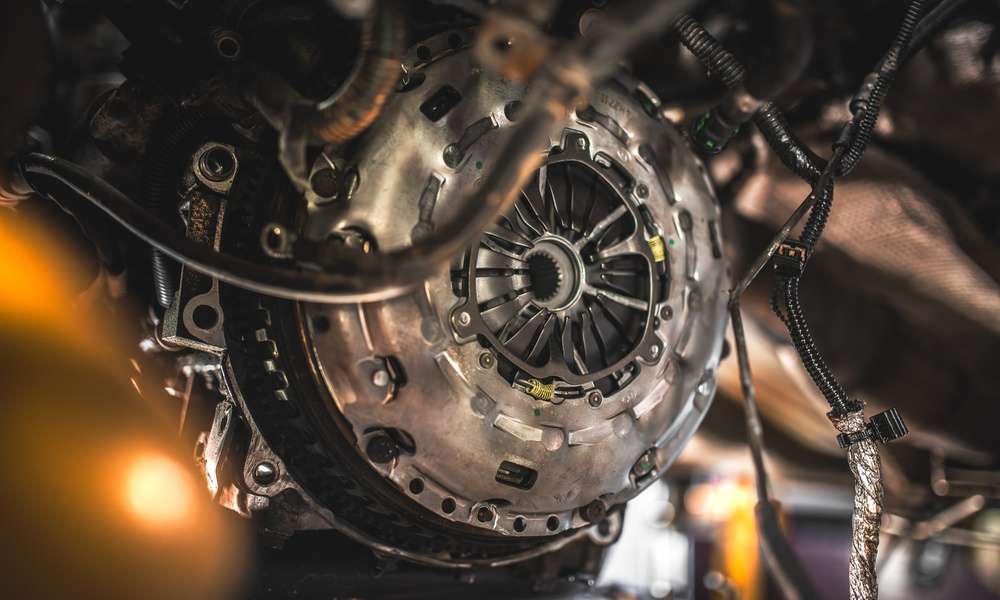
A clutch does not forgive a rough or uneven meeting point. If the flywheel surface has hot spots or residual contamination, the disc engages in uneven pulses. Even a fresh clutch struggles when the surface beneath it has a different texture from one area to the next. Clean metal contact is what lets the disc settle into a controlled bite instead of a nervous shudder.
Alignment Decides How Load Transfers
The clutch disc needs to sit centered because the input shaft depends on that path being true. When alignment is slightly off, the disc does not engage with the same pressure across its face. That uneven load transfer turns the first few launches into a vibration test, not like the smooth break-in you’re looking for. A careful setup, including proper flywheel alignment and installation, keeps the clutch working with the drivetrain.
Torque Habits Change the Hardware
Bolts do more than hold parts in place. Uneven torque pulls pressure across the clutch assembly in ways that change how the disc meets the flywheel. If one area clamps harder than another, the clutch does not release and grab as one clean unit. A steady torque sequence protects the geometry that the clutch needs before heat and load enter the picture.
Break-In Starts With the First Engagement
The first few miles are not just casual driving time for a new clutch. The disc is beginning to seat against the flywheel, so harsh launches generate heat before the surfaces have fully engaged. A clutch that gets abused early has less room to smooth itself out. Gentle engagement gives the contact pattern a chance to stabilize.
Small Install Choices Follow the Car
Clutch chatter has a way of making the whole car seem rougher than it really is. The pedal, driveline, and cabin vibration all point toward the same truth: the clutch was shaped by details before the key ever turned. Why clutch chatter starts before the test drive comes down to those early choices, where installation habits matter as much as the parts themselves. A smooth launch begins on the bench, not at the stoplight.
About The Author

Got a Questions?
Find us on Socials or Contact us and we’ll get back to you as soon as possible.