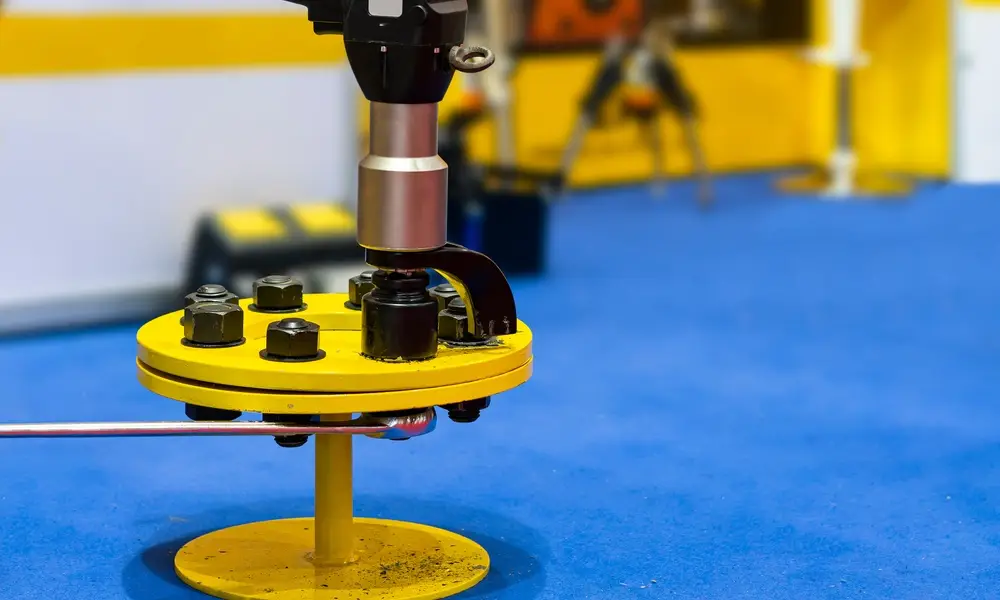
Every great product depends on hundreds or even thousands of properly secured fasteners. A loose screw can create annoying rattles, while an over-tightened fastener can damage valuable components.
Torque control is critical for reliable product assembly because it prevents both problems by applying the correct amount of force during every fastening step. Manufacturers rely on accurate torque settings because consistent assembly creates dependable products and reduces costly production mistakes.
How Proper Torque Prevents Costly Failures
Torque control protects parts from unnecessary stress during assembly. Correct tightening keeps components secure without stripping threads or cracking delicate materials. Manufacturers also reduce warranty claims because properly assembled products perform more consistently in real-world conditions. Small adjustments during production often prevent expensive repairs after products reach customers.
Modern production lines also collect torque data for every fastening cycle. Engineers review this information to confirm that equipment performs within acceptable limits. Digital records simplify quality inspections and support continuous process improvements. Teams solve problems faster because reliable data replaces guesswork.
Technology Makes Consistency Easier
Automation has transformed fastening processes across many industries. Advanced tools monitor torque values in real time and adjust performance when conditions change. Many manufacturers also recognize that robotic screwdriving improves assembly speed while maintaining impressive fastening accuracy throughout large production runs.
Smart fastening equipment also communicates with factory software. Operators receive immediate alerts whenever a fastening cycle falls outside acceptable limits. Quick feedback prevents defective products from moving farther through production. Better visibility creates stronger quality control without slowing the manufacturing process.
Benefits That Extend Beyond Quality
Reliable torque control improves much more than finished products. Production teams enjoy smoother workflows because they spend less time correcting fastening problems. Maintenance departments experience fewer equipment issues caused by inconsistent assembly practices. Customers notice higher product reliability even though they never see the fastening process.
Key advantages of proper torque control include:
- Greater product consistency across every production batch
- Lower material waste from damaged components
- Improved production efficiency with fewer assembly errors
- Better documentation for quality assurance requirements
- Increased customer confidence through dependable performance
Why Training Still Matters
Even advanced equipment performs best when skilled operators understand proper torque practices. Teams should verify tool calibration and follow established fastening procedures throughout every production shift. Regular training helps employees recognize warning signs before small issues become expensive problems. Strong technical knowledge complements modern automation and keeps production running efficiently.
Companies also benefit when engineers, technicians, and production staff communicate openly about fastening performance. Shared feedback helps identify recurring issues before they affect large production volumes. Continuous improvement creates stronger manufacturing processes without requiring major equipment changes. Consistent teamwork supports consistent torque control.
Building Better Products Through Precision
Reliable product assembly depends on more than quality materials and advanced machinery. Every correctly tightened fastener contributes to stronger performance, greater durability, and higher customer satisfaction.
Torque control provides reliable product assembly that modern manufacturing demands while supporting faster and more consistent production. When every screw receives exactly the right amount of force, manufacturers produce products that work exactly as customers expect.