




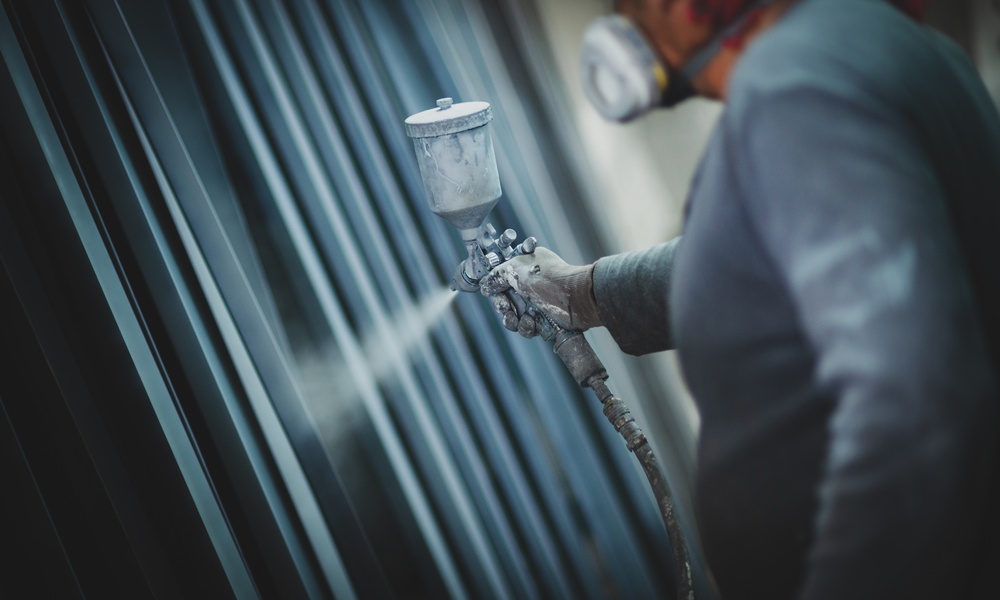
Manufacturers rely on carbide coatings to protect equipment from wear, heat, and corrosion in demanding operating environments. From cutting tools to industrial machinery, these coatings extend service life while improving surface performance. Understanding the key types of carbide coatings helps engineers and maintenance teams select materials that match production goals and operating conditions.
Tungsten Carbide Coatings
Tungsten carbide coatings remain one of the most widely used options in industrial settings because they provide exceptional hardness and abrasion resistance. Companies often apply these coatings through thermal spray processes that bond the material to metal surfaces. The resulting layer withstands friction caused by high-speed movement and repeated contact with rough materials.
Industries such as mining, manufacturing, and oil production depend on tungsten carbide to protect drill components, rollers, and heavy machinery. The coating also supports longer operating cycles by reducing surface damage that can interrupt production.
Chromium Carbide Coatings
Chromium carbide coatings perform well in environments exposed to elevated temperatures. These coatings resist oxidation and maintain durability when equipment operates under continuous heat. Manufacturers commonly apply chromium carbide to boiler components, valves, and turbine parts because the coating protects surfaces from erosion caused by hot gases.
Compared with tungsten carbide, chromium carbide offers stronger heat resistance but slightly lower hardness. This balance makes it suitable for operations where temperature exposure presents a greater concern than direct abrasion.
Titanium Carbide Coatings
Titanium carbide coatings provide a smooth surface finish along with excellent hardness. Cutting tool manufacturers frequently use this coating to reduce friction during machining operations. Lower friction allows tools to cut more efficiently while limiting heat buildup that can shorten tool life.
Titanium carbide also supports dimensional stability in precision manufacturing. Aerospace and automotive companies often rely on coated tools to maintain accurate tolerances during high-volume production. When it comes to choosing the right carbide coating for equipment, titanium carbide becomes a strong option for applications that require consistent cutting performance.
Silicon Carbide Coatings
Silicon carbide coatings deliver strong resistance against chemical exposure and thermal shock. These coatings often appear in semiconductor manufacturing, chemical processing equipment, and furnace components. Their ability to handle rapid temperature changes makes them valuable in environments where sudden heating and cooling cycles occur regularly.
The coating also provides a lightweight solution compared with some heavier carbide materials. This advantage helps manufacturers maintain efficiency in specialized equipment where weight affects operational performance.
Selecting the Best Carbide Coating for Long-Term Performance
Understanding the key types of carbide coatings allows businesses to improve equipment reliability while reducing maintenance demands. Each coating type offers distinct advantages that suit specific industrial conditions.
Tungsten carbide supports abrasion resistance, chromium carbide handles intense heat, titanium carbide improves cutting efficiency, and silicon carbide withstands chemical stress. Careful coating selection helps companies protect valuable machinery and maintain stronger long-term performance.
About The Author

Got a Questions?
Find us on Socials or Contact us and we’ll get back to you as soon as possible.