




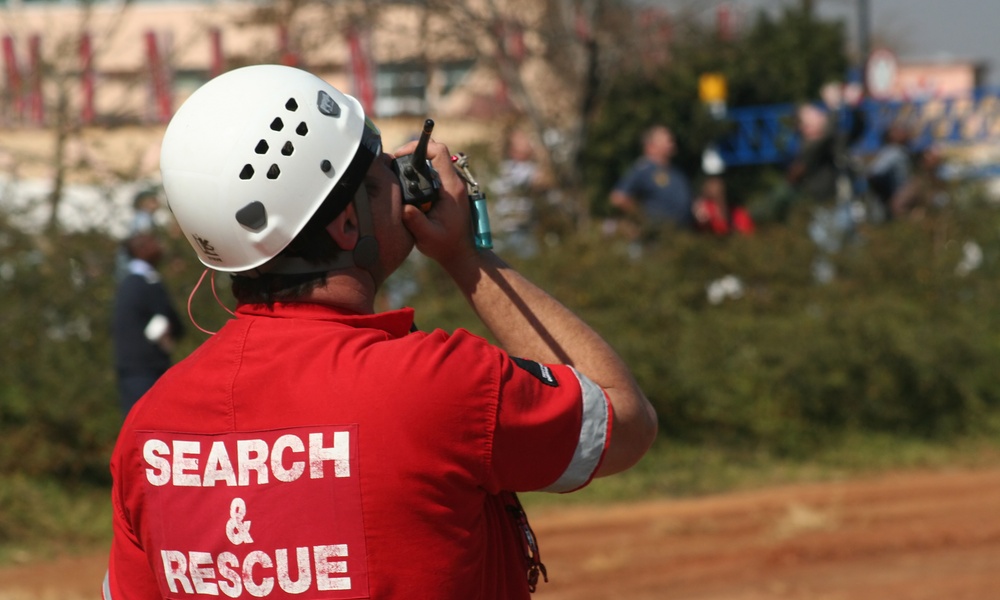
Search and rescue crews often work in difficult terrain, variable weather, and stressful conditions. Clear communication helps every team member understand the plan, track progress, and respond quickly to new hazards. Strong habits also reduce confusion when multiple agencies, vehicles, or field teams join the operation. These tips will help every search and rescue crew communicate more effectively.
Set a Clear Plan
Before deployment, leaders should explain the search area, team assignments, reporting schedule, and emergency procedures. Every crew member needs to know who directs the operation and who receives field updates.
During this briefing, teams should confirm radio channels, call signs, and backup communication methods. Preparing for a search and rescue mission also requires crews to review maps, landmarks, weather conditions, and likely trouble spots. A shared understanding helps teams communicate more quickly and accurately once the search begins.
Use Plain Language
Crews should keep every message short, direct, and easy to understand. Complicated language can slow down urgent decisions, especially when noise, distance, or poor reception affects the transmission.
Team members should identify themselves, state their location, and explain their needs. For example, a responder could report a blocked trail, provide clear coordinates, and request an alternative route. Specific details help the command team act without asking multiple follow-up questions.
Confirm Key Messages
Radio interference and weak signals can cause crews to miss parts of a transmission. Responders should repeat critical instructions to the sender. This approach confirms the location, assignment, or safety warning before anyone takes action.
Leaders should also ask teams to acknowledge major changes, such as a new search boundary or an evacuation order. A simple confirmation prevents two groups from following different plans.
Share Updates Regularly
Crews shouldn’t wait for a problem before contacting command. Scheduled check-ins help leaders track each team and spot delays early. Updates should include the team’s current location, search progress, environmental conditions, and any resources they need.
Regular contact also helps command identify when a crew misses a check-in. Leaders can investigate the delay before the situation escalates.
Protect the Radio Channel
Long conversations can block urgent traffic. Responders should move nonessential discussions to another channel whenever possible. They should also pause briefly before speaking to avoid talking over another crew member.
Teams need a shared emergency phrase or priority signal for immediate threats. When someone uses that signal, everyone else should clear the channel and listen.
Communicate With Confidence
Reliable communication for search and rescue teams stems from preparation, discipline, and practice. Crews that use plain language, confirm instructions, and report on schedule can work together more effectively in demanding conditions. When every responder knows how and when to communicate, the entire operation achieves better coordination and a safer path forward.
About The Author

Got a Questions?
Find us on Socials or Contact us and we’ll get back to you as soon as possible.