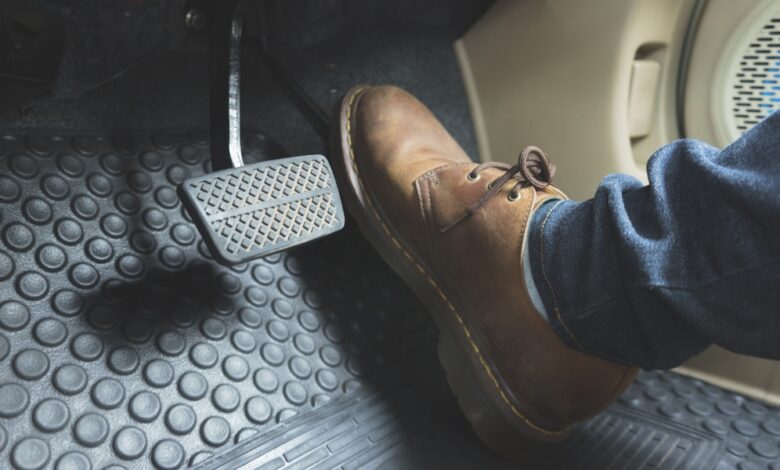
Cars survive rushed commutes and hitting curbs. Plenty of everyday routines seem harmless because the vehicle doesn’t skip a beat. However, trouble hides in repeated stress across mechanical parts and electronic systems. Even if nothing sounds broken today, these small habits can secretly damage your car.
1. Flooring the Car Right Away
A cold engine isn’t ready to race. Engine oil takes a brief moment to circulate through passages and reach moving surfaces after starting up. Low temperatures make oil flow differently until the engine begins warming.
Engines don’t need several minutes to warm up, but they do require a gentle touch. Hard acceleration immediately after startup puts heavy load on components. Driving away at a slow pace is the sensible move. With a calm first few miles, the powertrain warms up through normal operation. Then, you can accelerate as you please.
2. Riding the Brakes Downhill
Keeping a foot planted on the brake pedal through a long descent seems controlled. The brake system experiences a steady stream of friction and heat. Continuous friction generates heat in the pads and rotors because every second of contact converts motion into thermal energy.
Excess heat speeds brake wear and weakens braking performance under demanding descents. Use steady braking in measured intervals and select an appropriate lower gear where the vehicle supports it. The engine then shares some of the workload. The brake pedal doesn’t have to spend the entire hill fighting gravity alone.
3. Ignoring Low Tire Pressure
The tire-pressure warning light isn’t a tiny yellow suggestion. When tires lose air, their sidewalls flex more with every rotation, which creates excess heat and accelerates tread wear. That added flex also increases rolling resistance, so the vehicle consumes more fuel. Because underinflated tires respond less precisely to steering inputs, they can reduce cornering stability, lengthen stopping distances, and make the car harder to control during sudden maneuvers.
Check the tire pressure at least once a month. This is especially important during cold-weather seasons when falling temperatures naturally decrease tire pressure. Keeping up with this simple maintenance task will protect the tires and reduce strain on suspension components.
4. Charging Into Potholes
Driving into a pothole sends a sudden impact through the tire, wheel, suspension, and steering system. The tire may develop a sidewall bulge or lose air, while the wheel can bend or crack under the force. That impact travels into the control arms, struts, and ball joints.
Repeated pothole strikes might knock the wheels out of alignment. The tires will wear unevenly, causing the car to pull to one side. Another possible issue is excess vibration due to wheel or suspension damage. Staying away from deep potholes will keep the car in good shape.
5. Running the Tank Too Low
Not only does fuel get you from point A to point B, but it also cools and lubricates the electric fuel pump as it operates. Consistently low fuel levels will force the pump to run hotter and wear out quickly. When the tank reaches the bottom, sediment and debris that settle there could enter the fuel system, potentially clogging the fuel filter or restricting fuel flow. If the engine runs completely out of fuel, the pump loses its cooling supply.
The problem becomes more serious when drivers repeat the habit, especially during hot weather or long highway trips. Excessive heat, restricted fuel flow, and repeated operation with minimal fuel can shorten the life of the pump and place additional stress on related components. Keeping more fuel in the tank gives the pump a cool operating environment and reduces the chance that sediment will reach the engine.
6. Stretching Oil Change Intervals
Auto maintenance is the last thing you want to do on a day off, but trying to drive when you need an oil change is more serious than you think. Engine oil lubricates moving parts, regulates heat, and carries dirt toward the filter. Repeated heat cycles gradually break down its protective additives. As the oil thickens and collects contaminants, it loses its ability to reduce friction and protect engine surfaces.
Neglecting oil changes allows sludge to form, restricts oil passages, and increases wear on bearings, timing components, and cylinder walls. Over time, that damage can reduce engine performance and lead to costly repairs. Following the vehicle’s service interval will stop small deposits from becoming major engine problems.
7. Ignoring the Garage Temperature
You’re doing a good thing by parking indoors. Blocking the car from direct sunlight, rain, and snow is ideal, but an uninsulated garage still puts it through some rough temperature swings. Rapid changes from hot to cold can shorten the battery’s life.
Rubber seals, hoses, belts, and tires also expand and contract repeatedly, leading to cracks and leaks over time. Moisture creates another headache when warm air meets cold metal. Condensation forms on the body panels, brake components, and electrical connections, encouraging corrosion.
The advantages of garage doors with insulation are numerous. The insulation slows heat transfer through the door and reduces temperature swings. While it won’t turn the garage into a climate-controlled laboratory, it protects the vehicle from extreme heat, freezing conditions, and condensation.
8. Carrying Unnecessary Weight Everywhere
A trunk full of forgotten gear becomes permanent cargo. Without realizing it, the tires, suspension, and drivetrain have to handle extra weight on every trip. That added load increases rolling resistance, so the engine has to use extra fuel to maintain speed. The brakes and suspension also absorb additional strain when navigating quick stops and bumps. Over time, repeated strain can accelerate wear on tires, brake components, shocks, and other suspension parts.
You don’t need to remove essential equipment. The spare tire and emergency kit can stay. However, clearing out heavy items you rarely use can reduce that constant workload. From sports equipment to power tools to heavy donation boxes, it’s important to cycle these items out of the trunk when they aren’t essential.
Drop the Bad Habits
Most vehicle damage doesn’t arrive with movie-worthy smoke pouring from the hood. Instead, it builds quietly through everyday choices that put extra stress on parts designed for normal driving. When you remove a few habits that secretly damage your car, you protect the mechanical components from unnecessary wear and make future maintenance far less stressful. These habits may not feel exciting, but your car will be able to run reliably for many more years.