
NASA
-
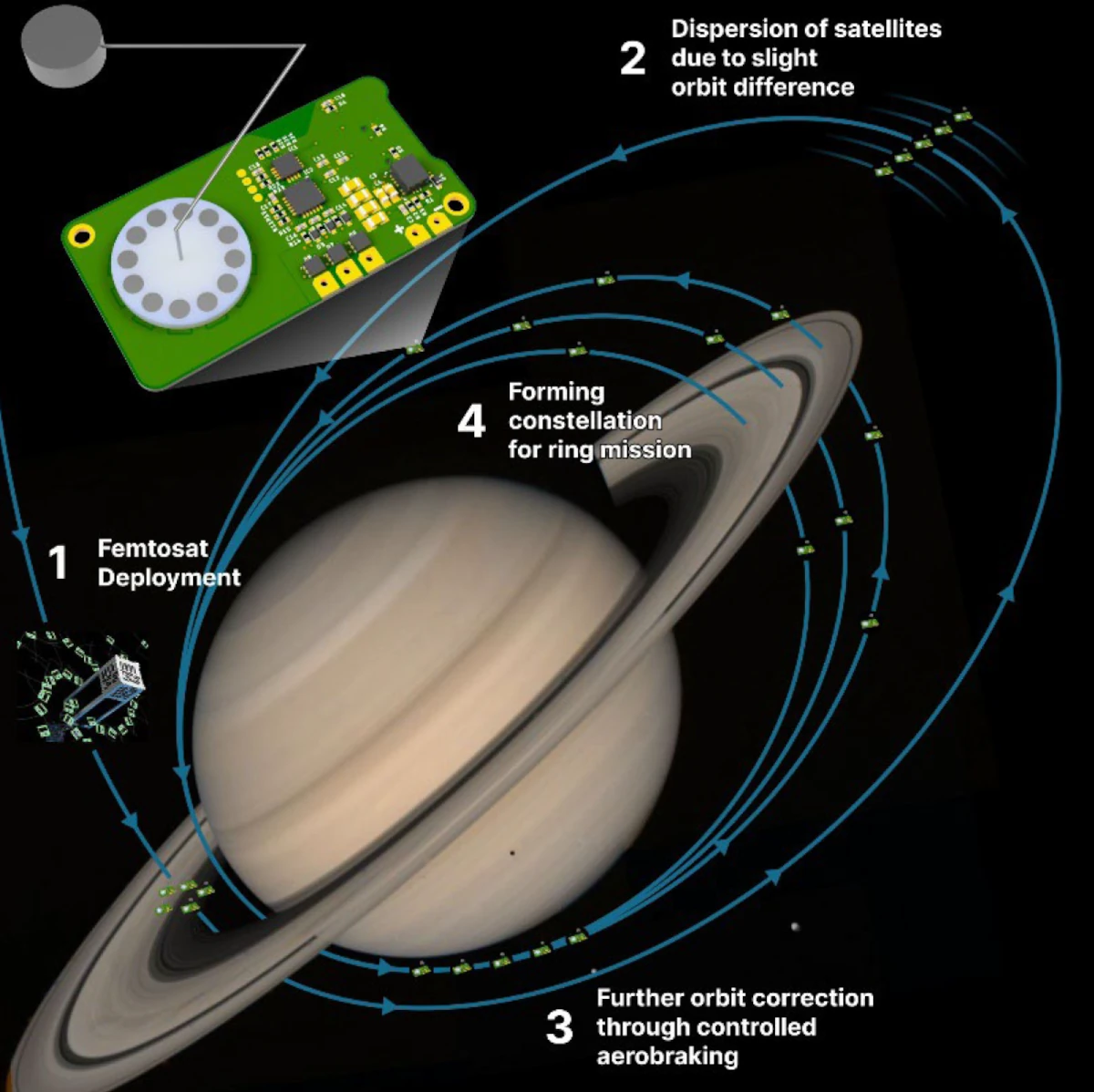
Actively Steerable Femtosat Constellations for In-situ Exploration of Saturn’s Rings, Atmosphere, and Magnetosphere
Michael RubensteinNorthwestern University, Chicago We propose a mission to use ~10,000 actively steerable femtosats to map the ring composition, atmospheric composition and density, and the magnetic field distribution of Saturn. Conducting in-situ surveys of Saturn’s rings with a single flagship mission, such as Cassini, would carry an unacceptably high risk of mission failure due to particle collisions. However, the distributed nature…
Read More » -
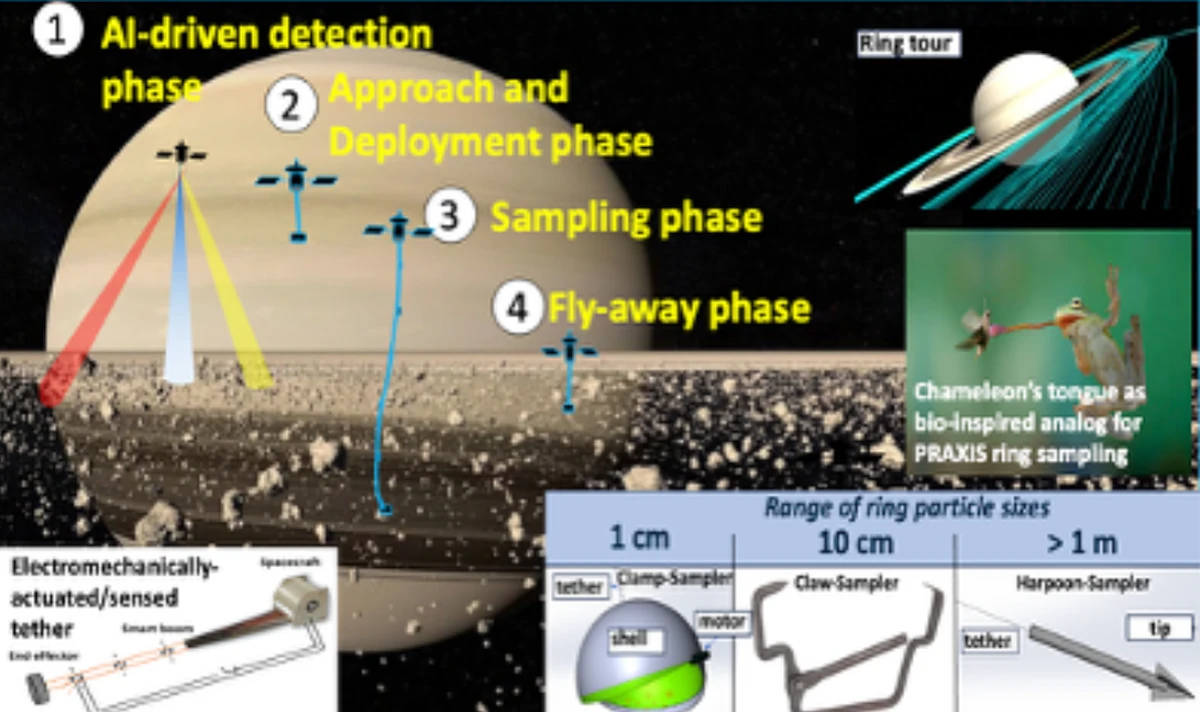
PRAXIS: Planetary Rings Autonomous EXploration with In-situ Sampling
Marco QuadrelliNASA Jet Propulsion Laboratory Humanity has never touched the particles of a planetary ring, but if we were able to get close enough and sample them, it will transform understanding of ring structure and origins for Saturn (dense), Uranus and Neptune (tenuous), rings of other objects such as Centaurs Chariklo and Chiron, and even early protoplanetary and circumstellar disks. Despite…
Read More » -
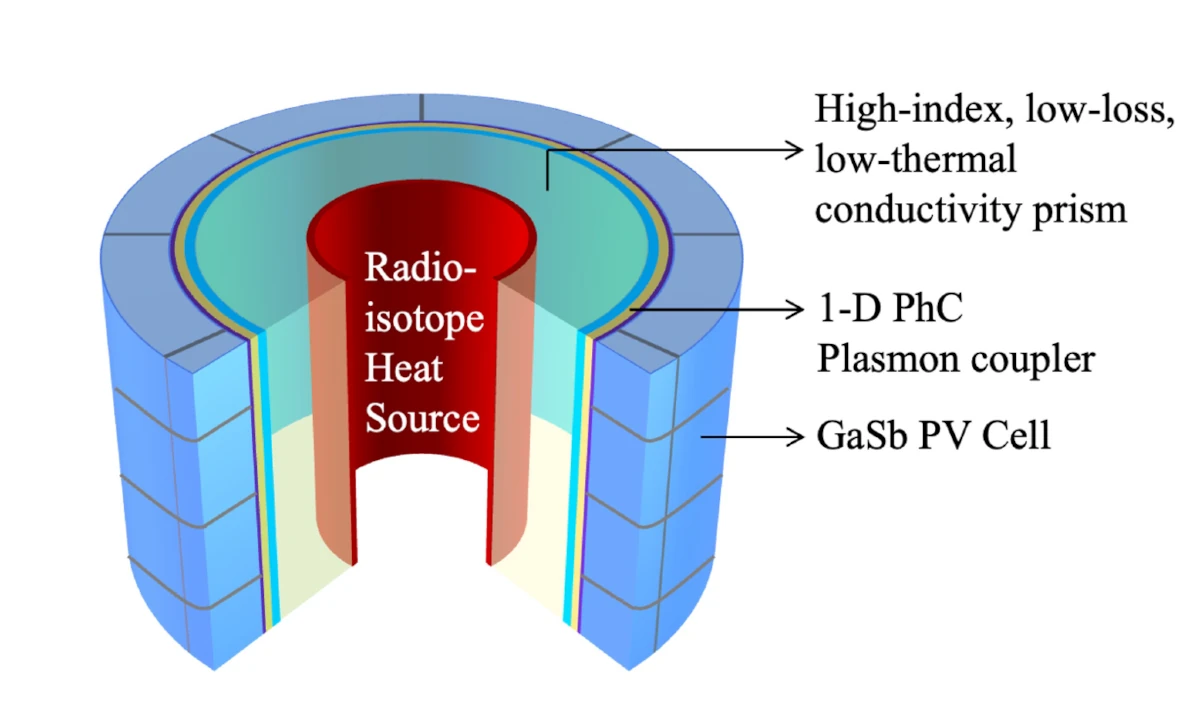
Plasmon-Enhanced Radioisotope Thermophotovoltaic (PRTPV) Power Generation for Interstellar Missions
Keunhan ParkUniversity of Utah This proposal seeks to develop a transformative energy system — the plasmon-enhanced radioisotope Thermophotovoltaic (PRTPV) generator — that significantly surpasses the performance of current radioisotope thermoelectric generators (RTGs) in both specific power and efficiency. Designed to achieve a specific power of 17 W/kg and a thermal-to-electric conversion efficiency greater than 40%, the PRTPV offers a sevenfold improvement…
Read More » -
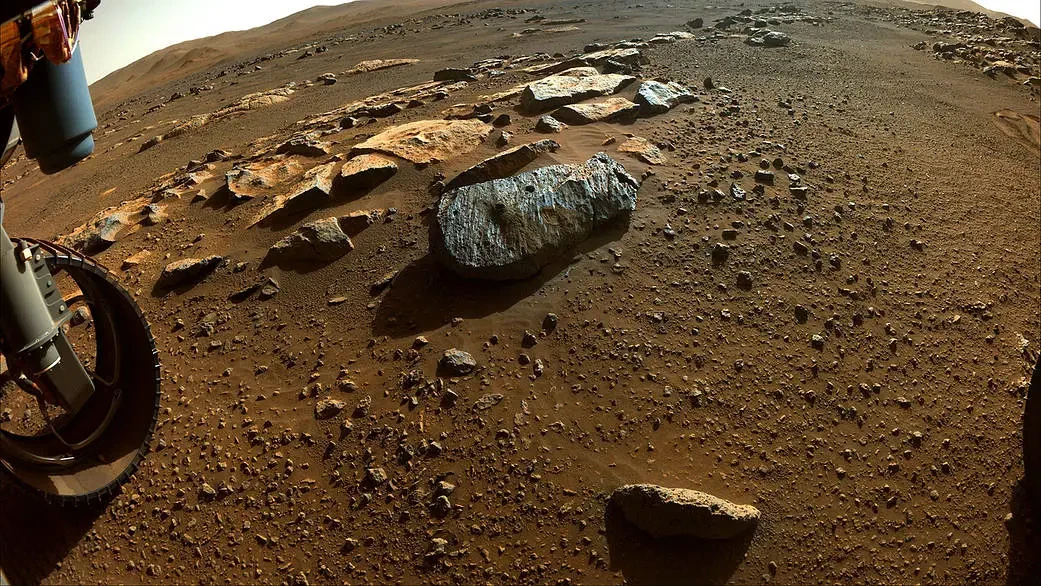
Establishing Crew Exposure Limits of Martian Dust
Background Human exploration of Mars will expose crews to a persistent, fine particulate environment whose physicochemical properties and health implications remain only partly understood. Because no samples of authentic Martian airborne dust have been returned to Earth, NASA must rely on lunar dust toxicology, Martian regolith simulants, and extensive rover/lander geochemical and mineralogical datasets to develop an initial, risk‑informed Permissible…
Read More » -
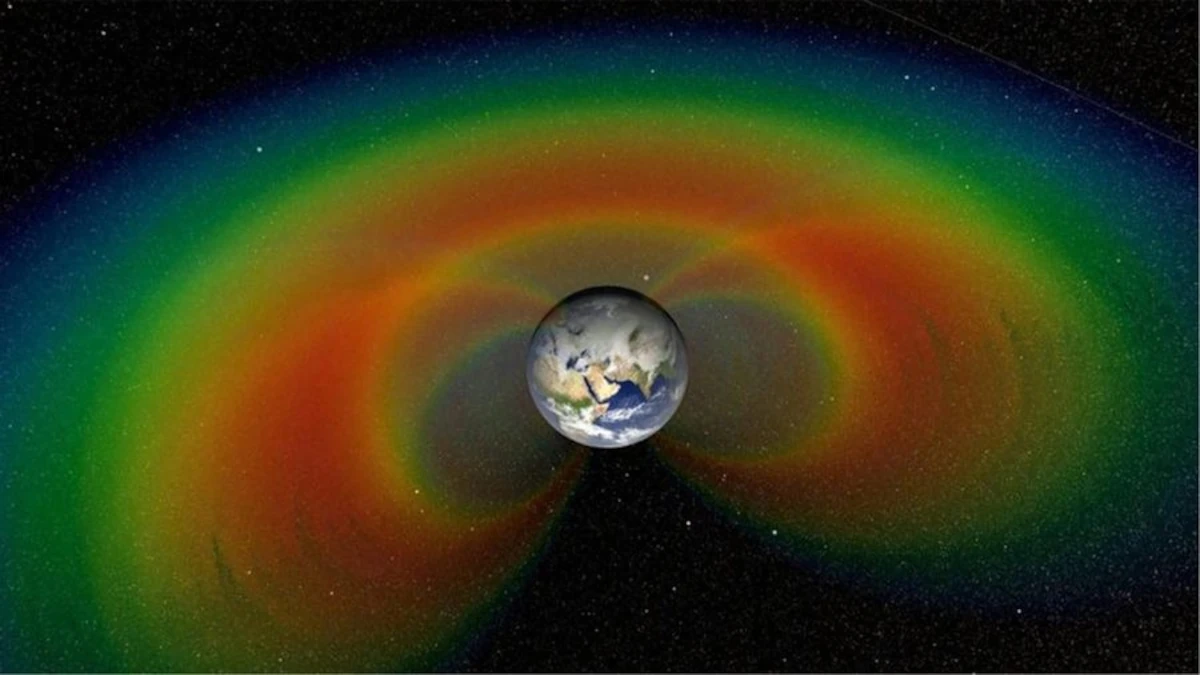
A New Compact Instrument Enables High-Fidelity Measurements of Energetic Particles on CubeSats
A team of NASA-sponsored scientists and engineers has developed a novel approach to observing high-energy particles in the near-Earth space environment, incorporating miniaturized sensors into a compact, multi-view particle detection instrument unlike any before it. Built for NASA’s Relativistic Electron Atmospheric Loss (REAL) CubeSat mission, the innovative instrument (also called REAL) enables more complete measurements of how energetic particles are…
Read More » -
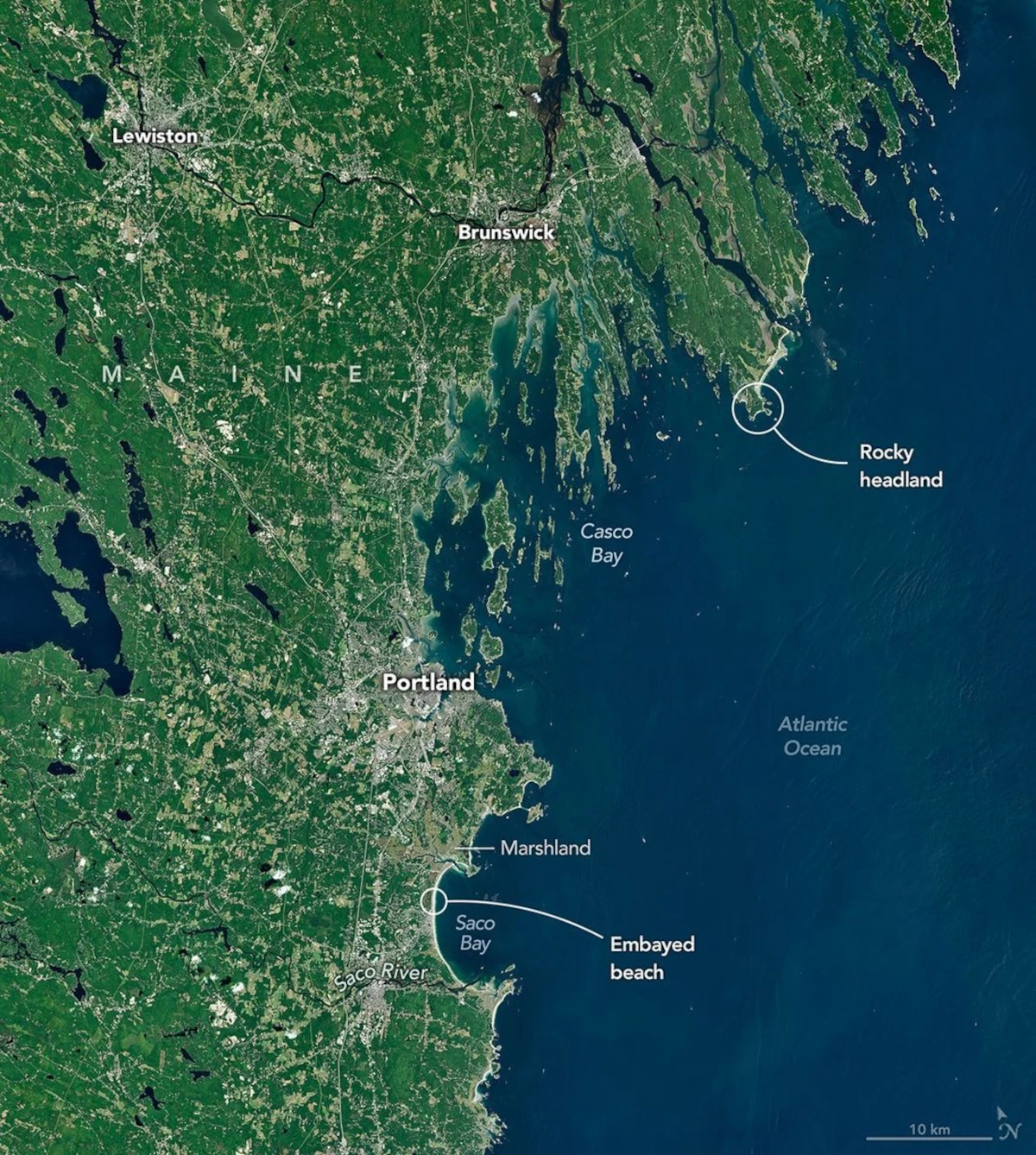
Why Maine’s Sandy Shorelines Turn Jagged
The Wabanaki people have a deep well of creation myths explaining the rocky coastlines of the Bay of Fundy, Downeast Maine, and Acadia National Park. Many involve Glooscap—a magical figure said to have floated down the Bay of Fundy in a stone canoe, sculpting coastal features by scraping the vessel across the landscape and scattering enormous boulders during battles with primordial beavers, frogs, moose, whales, and other gigantic…
Read More » -
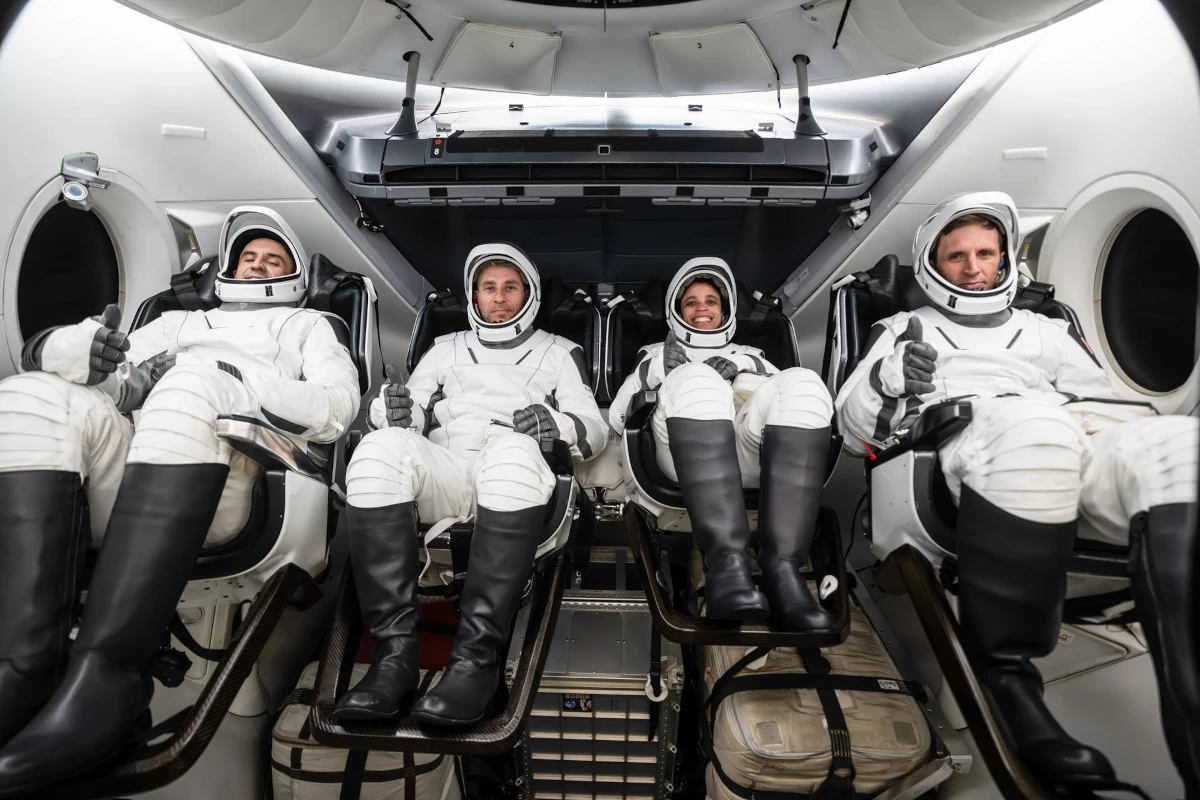
NASA Sets Briefings for SpaceX Crew-13 Mission to Space Station
NASA and its partners will discuss the upcoming crew rotation mission to the International Space Station during a pair of news conferences on Monday, Aug. 3, from the agency’s Johnson Space Center in Houston. Mission leadership will provide an overview of NASA’s SpaceX Crew‑13 mission at 12 p.m. EDT. Next, crew members will discuss their training and mission preparations at…
Read More » -
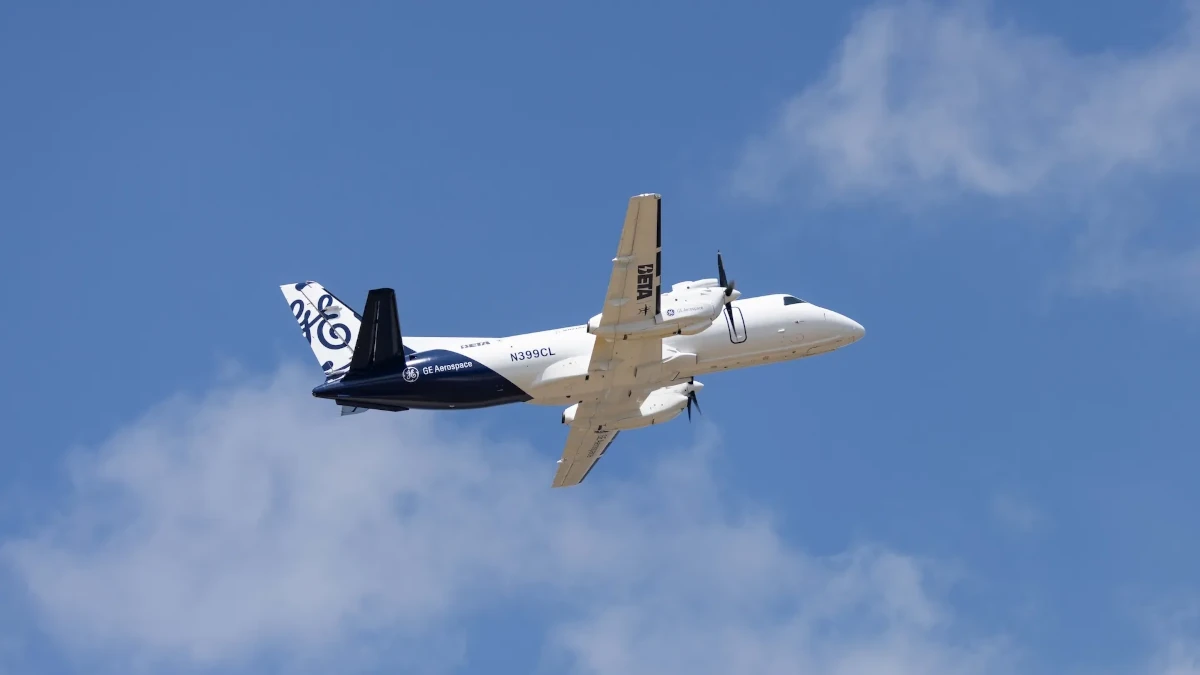
NASA, GE Aerospace Work Enables Hybrid-Electric Flight Demonstration
An aircraft powered by a megawatt-class hybrid-electric engine developed in collaboration with NASA and built by GE Aerospace, demonstrated flight of an innovation that can inform new generations of fuel-saving aircraft power systems. Mounted to a Saab 340B aircraft, the engine flew at Farnborough International Air Show in the United Kingdom. It was the public debut of a system that…
Read More » -

New NASA Earth Missions Gear Up to Start Science Flights
Landslides in Alaska. Air quality in Atlanta. Fire clouds out West. From the Arctic fringes to farm country, NASA’s newest class of suborbital Earth Venture missions is gearing up to deliver science that will benefit communities in the United States and beyond. The six projects will mobilize hundreds of scientists and pilots from NASA, the U.S. Navy, universities, and other institutions over the next several years. While the investigations range across topics, a defining feature of suborbital missions is the use of sensors mounted on aircraft. Airborne remote sensing serves as a bridge between ground-based instruments and satellites. Data collected via planes, helicopters, drones, and balloons can fill in gaps…
Read More » -
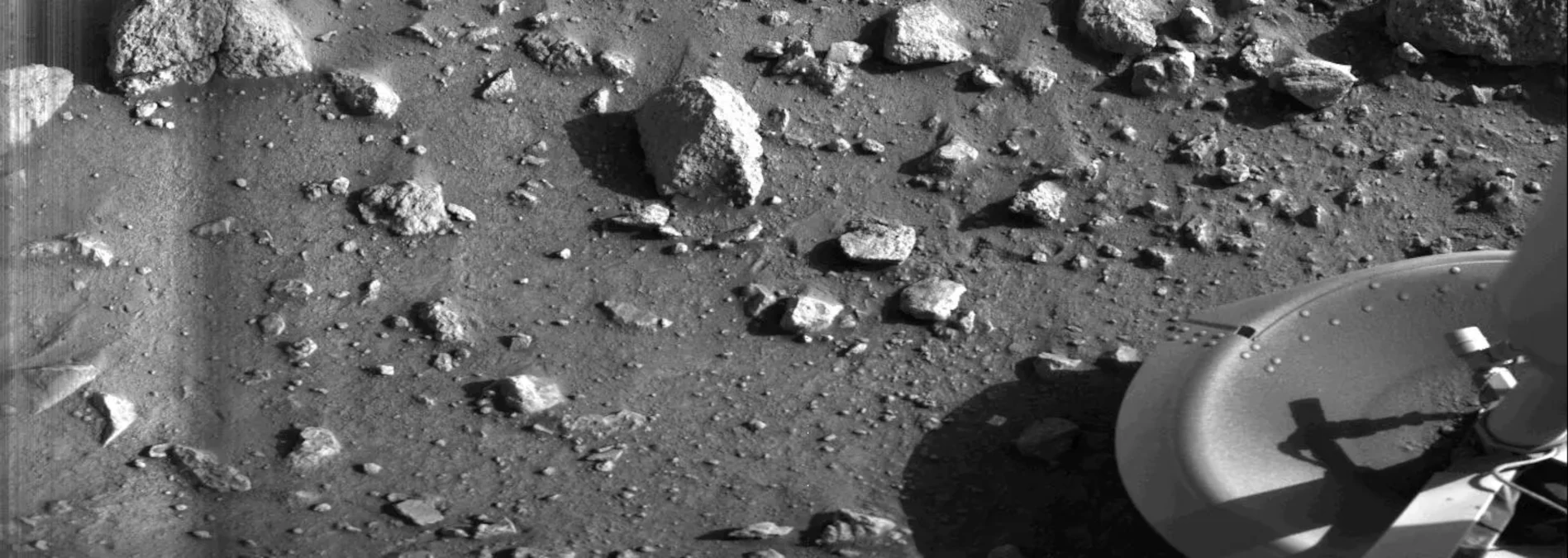
Our First View of the Surface of Mars
“Touchdown, we have touchdown!” At 5:12 a.m. PDT, July 20, 1976, mission controllers at NASA’s Jet Propulsion Laboratory erupted in cheers as they learned that the Viking 1 lander had survived its descent through the thin Martian atmosphere. Forty minutes later, the lander’s first image began to appear on their monitors, slowly forming line by line from left to right.…
Read More »