
NASA
-
Mapping Earth’s Observations, featuring Betsy Ford
NASA’s Earth-observing satellites track an enormous range of phenomena: how aerosols move through the atmosphere, how moisture descends through soil, how land-cover shifts over decades. It’s some of the most consequential data NASA produces, informing science, policy, agriculture, and climate research around the world. As NASA’s Earth Science Division (ESD) manages this vast portfolio, they operate within an environment marked…
Read More » -
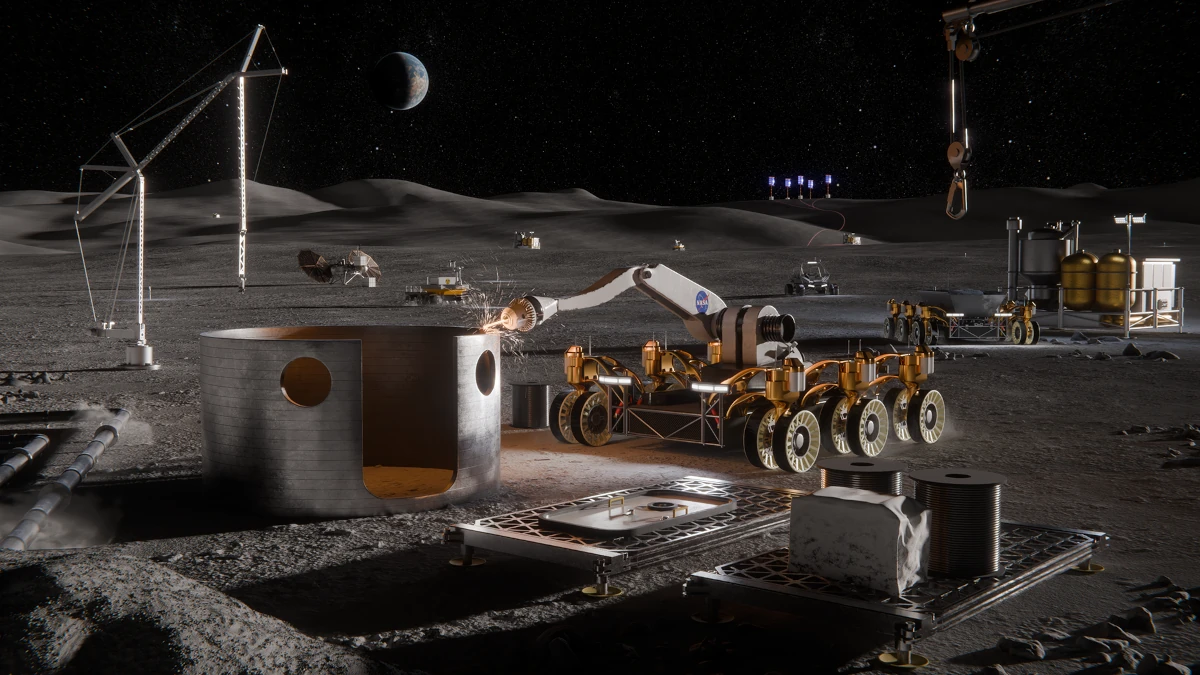
NASA Seeks Industry Input to Accelerate Lunar Surface Technologies
Long-term lunar exploration requires technology, infrastructure, and operations that function together cohesively on the surface of the Moon. To accelerate the development of key lunar surface systems and reduce risk, NASA and industry must work together in the design, development, testing, and evaluation of innovative solutions that support U.S. space priorities. NASA is seeking feedback on a draft solicitation for the Lunar Enabling Infrastructure Accelerator, an effort…
Read More » -
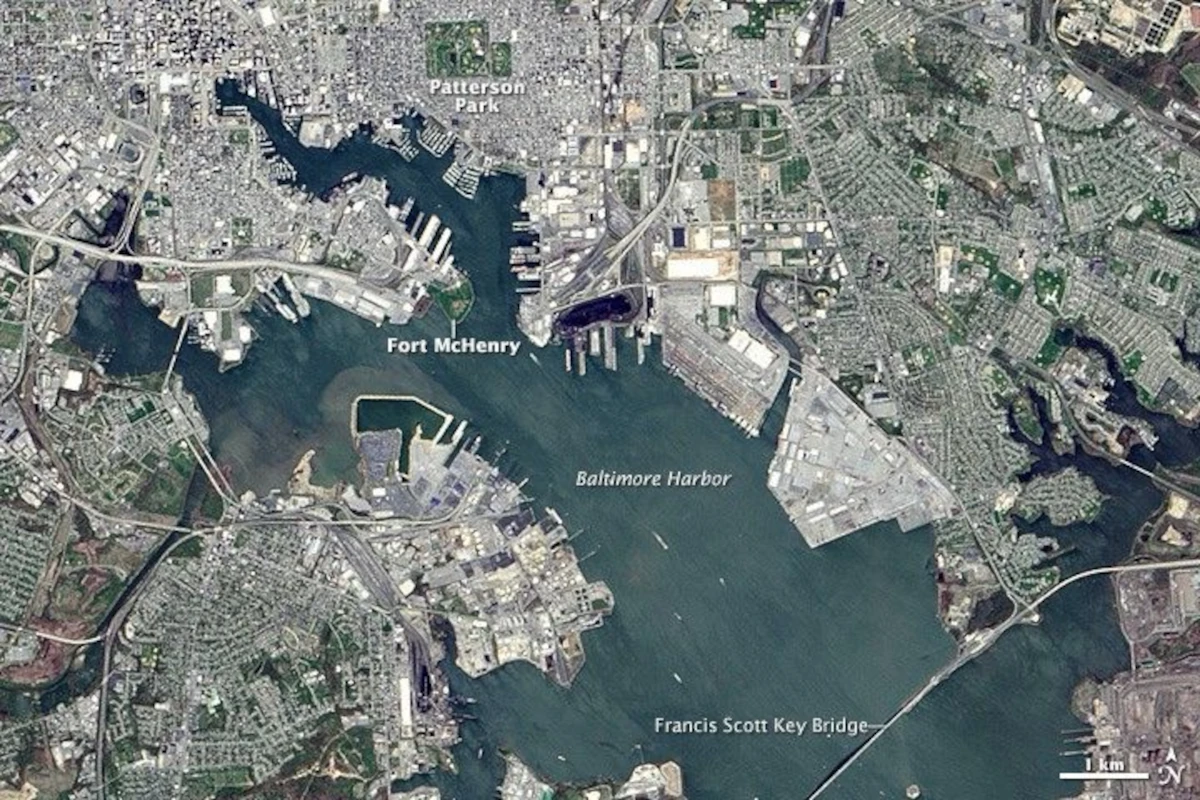
Star-Spangled City
Editor’s note: In honor of America’s 250th birthday, Earth Observatory is revisiting stories about the landscapes that helped shape U.S. history. The images and text on this page were originally published on September 14, 2014. Explore the full collection here. The song is familiar to every American, but the moment and place where it was composed are less so. On April 24,…
Read More » -

NASA Tests New Device for Future In-Space Refueling Missions
For NASA’s next generation of deep space exploration missions, spacecraft may need to refuel in Earth orbit before pushing farther into the solar system. Similar to how a gas pump needs a nozzle to fit your fuel tank, future spacecraft could require a special device in order to fill up prior to departure, known as a cryocoupler. Cryocouplers would allow…
Read More » -
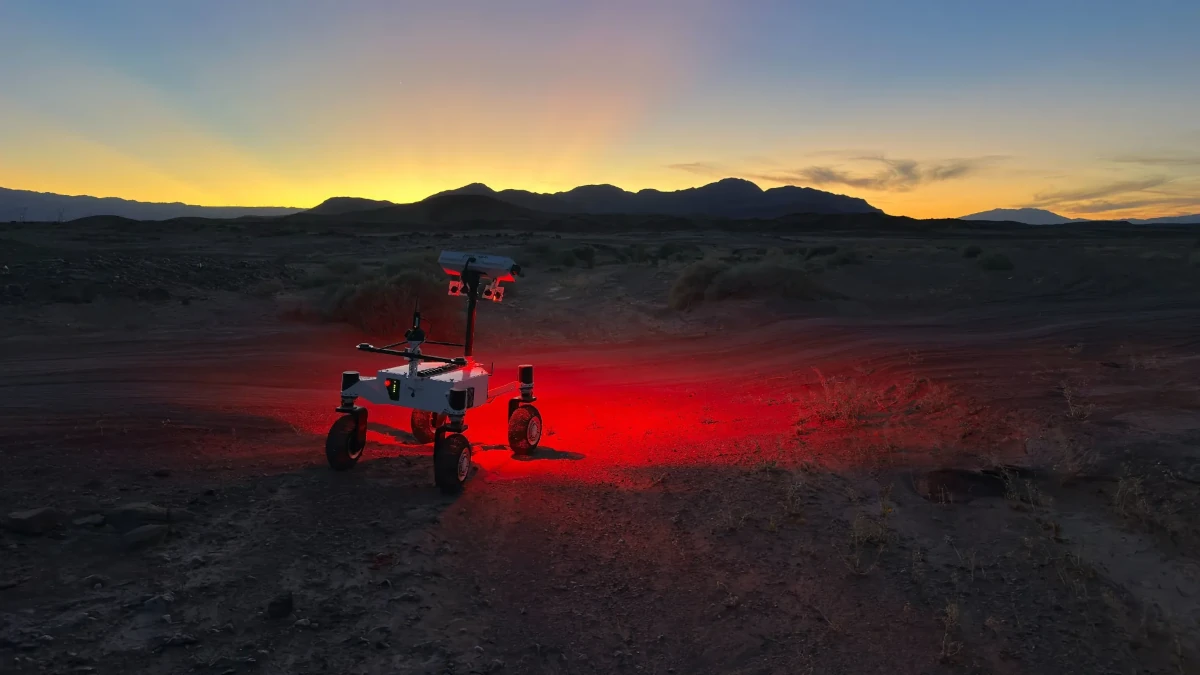
NASA Testing Advanced Capabilities for Moon, Mars Rovers
On a bleak stretch of the Colorado Desert in Southern California, a compact four-wheeled rover recently trundled about 16 miles (26 kilometers) with minimal intervention from the team of engineers trailing it. Called ERNEST (Exploration Rover for Navigating Extreme Sloped Terrain), this prototype is being used by NASA to advance both robotic autonomy and the ability to traverse challenging landscapes.…
Read More » -
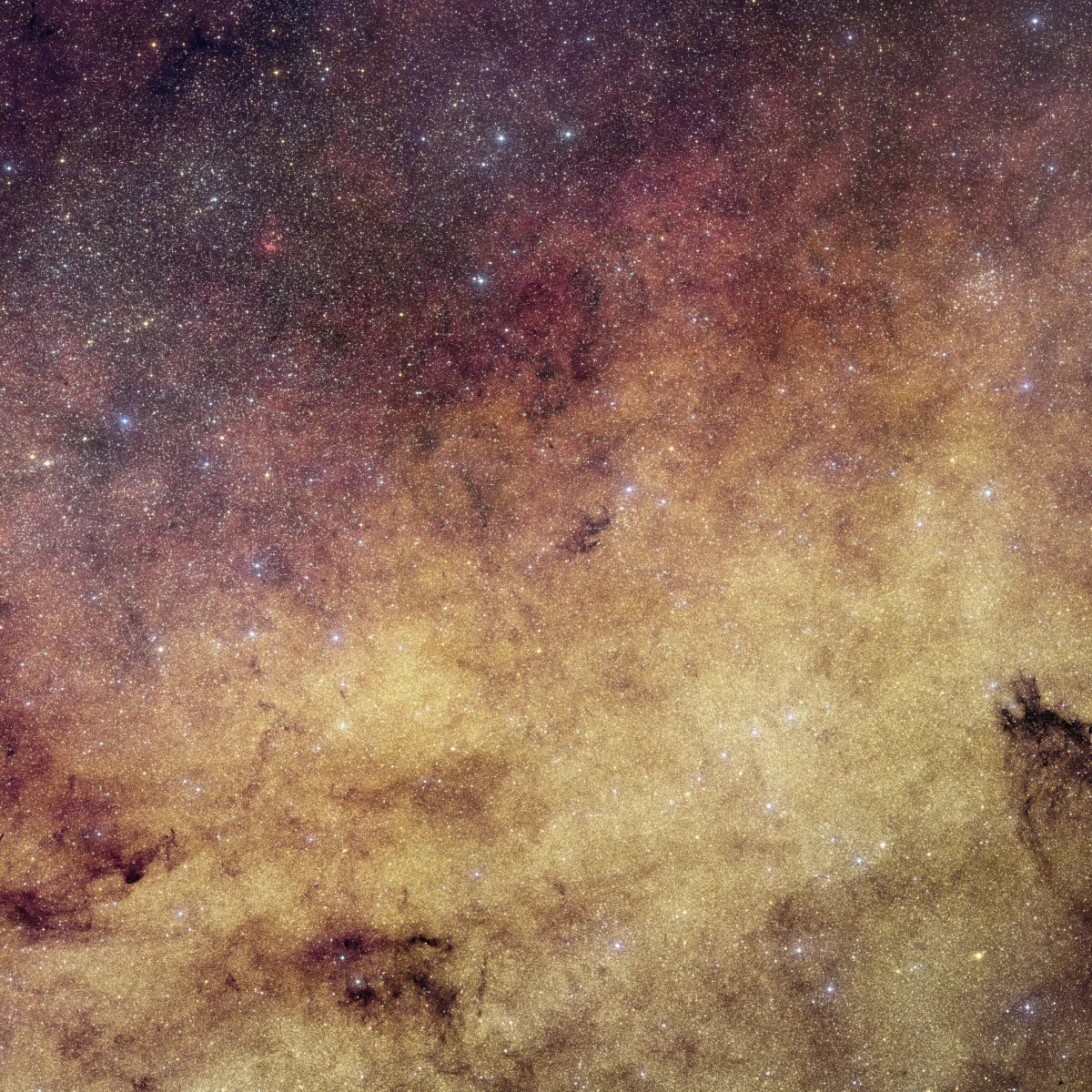
Euclid Sees Heart of Milky Way
Euclid, an ESA (European Space Agency) mission with NASA contributions, took a new look at the heart of our Milky Way galaxy, seen in this image released on June 24, 2026. This observation overlaps with a region scientists will observe with NASA’s Nancy Grace Roman Space Telescope, launching later this summer. This sneak peek gives astronomers a major jumpstart on a…
Read More » -
NASA Identifies More Than 40 Space Technologies for Collaboration
NASA selected 41 proposals from 37 companies to advance technologies in support of the agency’s goals to establish a long-term presence on the Moon and enable human exploration of Mars. These American companies, picked from NASA’s 2025 Announcement of Collaboration Opportunity (ACO), will mature technologies creating solutions for space transportation, planetary surface operations, and lunar surface infrastructure. “We are empowering…
Read More » -

Partners, NASA Ready for June Launch of Swift Boost Mission
Editor’s note, July 1, 2026: Wednesday’s launch was postponed due to unfavorable weather conditions. The next launch attempt is no earlier than Thursday, July 2, at 9:09 p.m. UTC+12 (5:09 a.m. EDT). Editor’s note, June 30, 2026: Tuesday’s launch was postponed due to unfavorable weather conditions. The next launch attempt is no earlier than Wednesday, July 1, at 9:43 p.m. UTC+12 (5:43 a.m. EDT).…
Read More » -
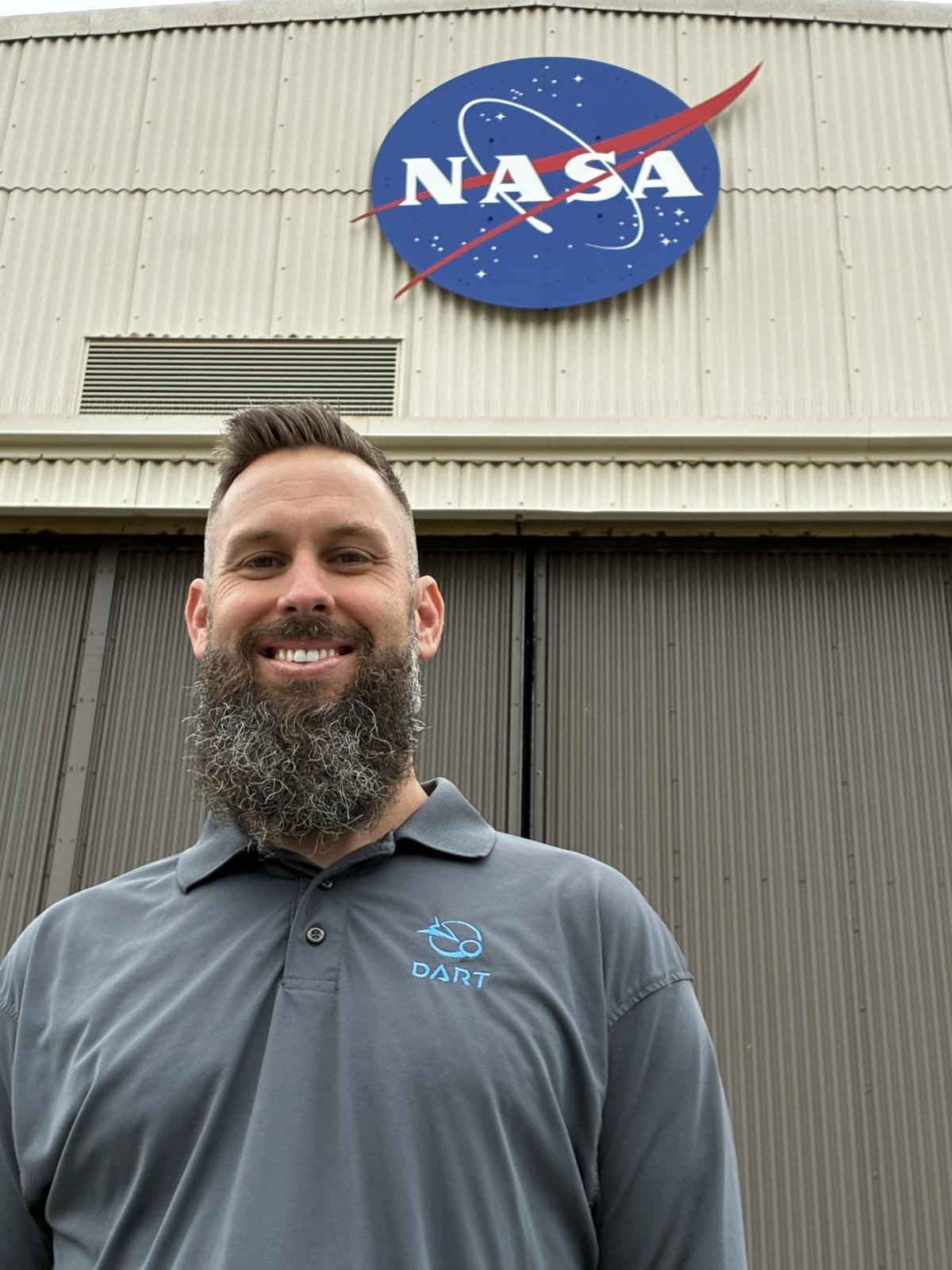
Bringing Signals to NASA
Growing up on the central California coast, watching rocket launches with his father was part of Eric Fernandez’s childhood routine. Fernandez had posters of rockets on the wall, but despite being fascinated by them, he never imagined one day this would be his career. Because both of his grandparents had served at Vandenberg Air Force Base (later renamed to Vandenberg…
Read More » -

NASA Announces Winners for 2026 Human Lander Challenge
NASA has announced the top student-developed solutions for environmental control and life support systems in future crewed lunar landers from participants in the 2026 Human Lander Challenge. The announcement marks the culmination of months of research by university teams working to advance technologies supporting the agency’s Artemis program that will return American astronauts to the Moon in 2028. The challenge…
Read More »