
NASA
-
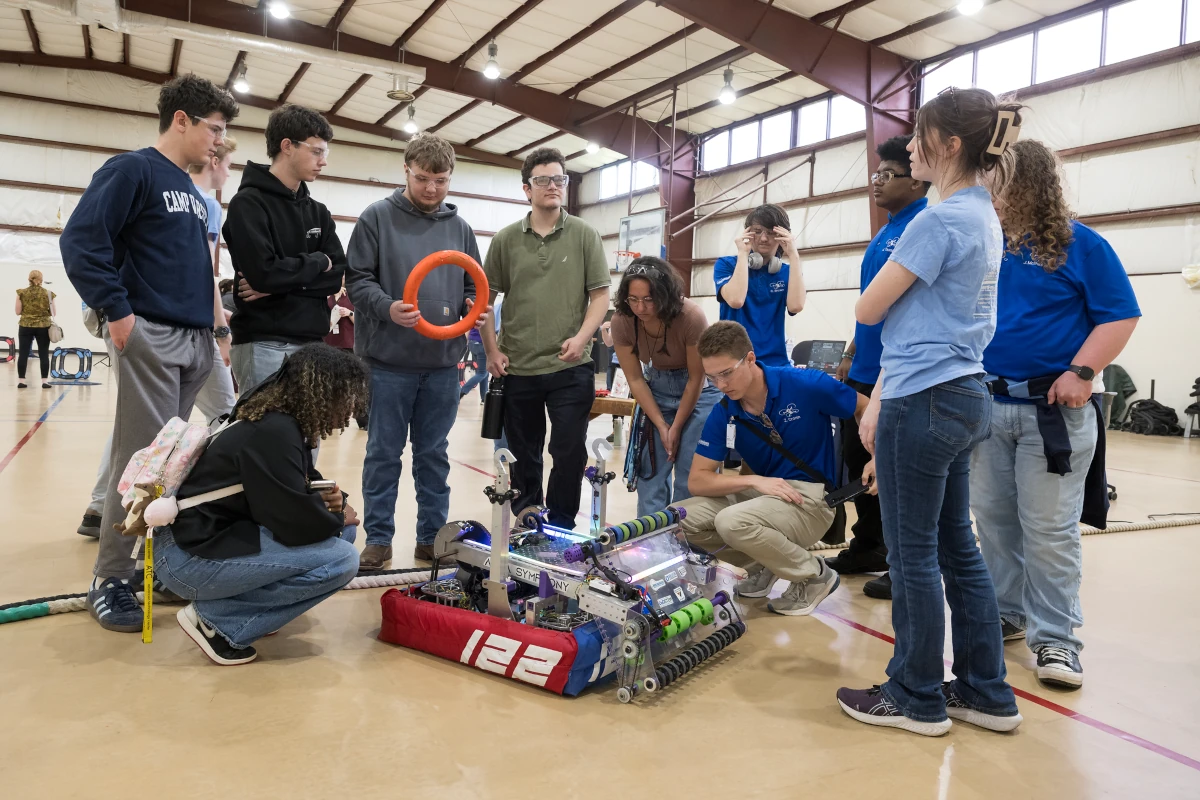
NASA’s Career Technical Education Day Highlights Technical Careers
At NASA, remaining a global leader in exploration and innovation includes having a skilledand dedicated workforce. Technicians play a critical role in advancing the agency’sresearch and missions, applying hands-on expertise across engineering, fabrication,electronics, and countless other technical fields. To help cultivate the next generation of technical talent, NASA’s Office of STEM Engagementhosted Career Technical Education Day recently at NASA’s Langley…
Read More » -
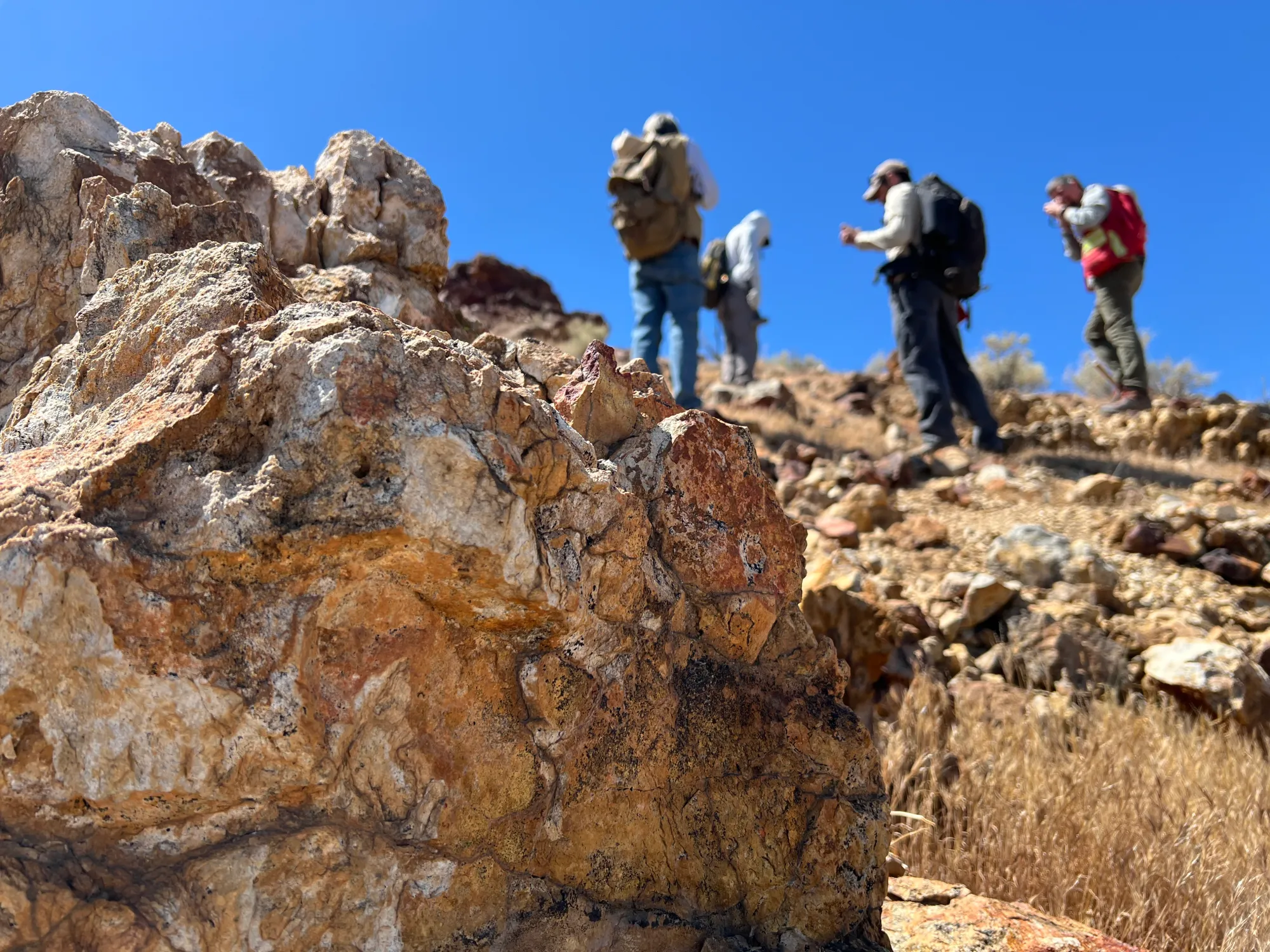
NASA, USGS Scientists Go Rock Hounding in California’s High Desert
Equipped with rock picks and hand lenses, a team of geoscientists deployed to the Mojave Desert recently to investigate a tantalizing “fingerprint” detected by a NASA sensor. Their target: a cache of topaz hiding in plain sight. The geologists weren’t searching for gem-grade treasure. Rather, the presence of topaz could hint at a more valuable deposit below of something known…
Read More » -
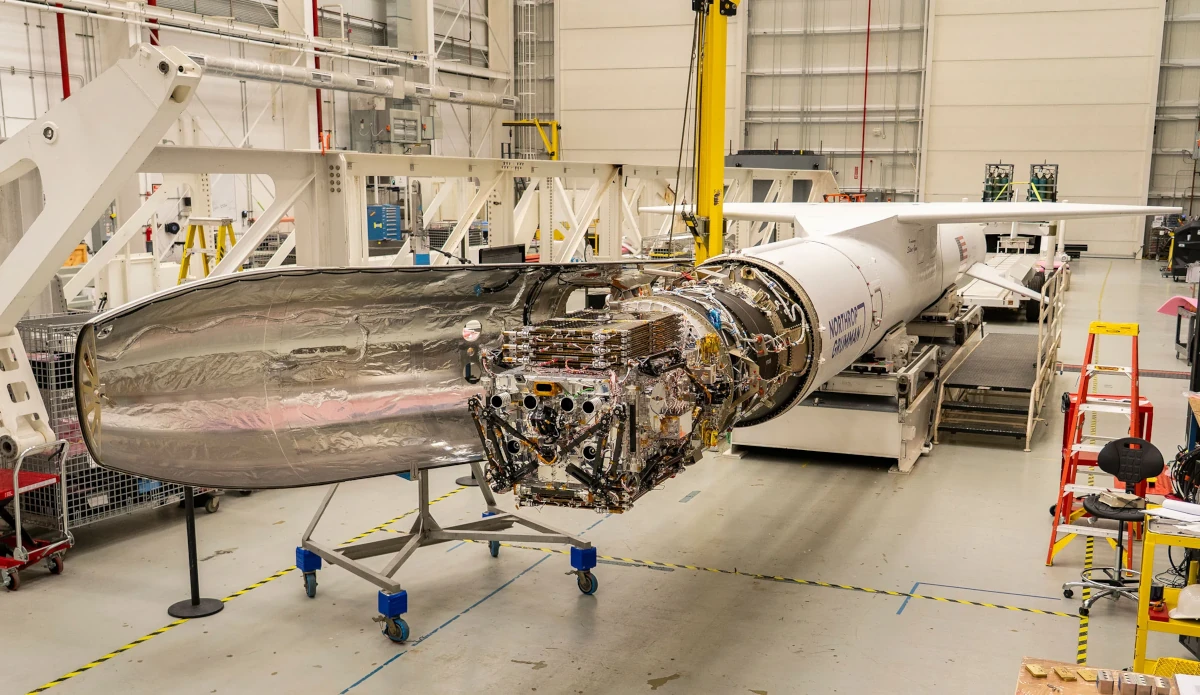
NASA to Preview Katalyst Mission to Boost Swift Spacecraft’s Orbit
NASA will host an audio-only media teleconference at 11 a.m. EDT, Wednesday, June 17, to preview the Katalyst Space mission to boost the orbit of NASA’s Neil Gehrels Swift Observatory. Katalyst’s robotic servicing spacecraft, called LINK, will attempt to rendezvous with Swift and raise its altitude, extending its science mission lifespan and advancing a key capability for the future of…
Read More » -
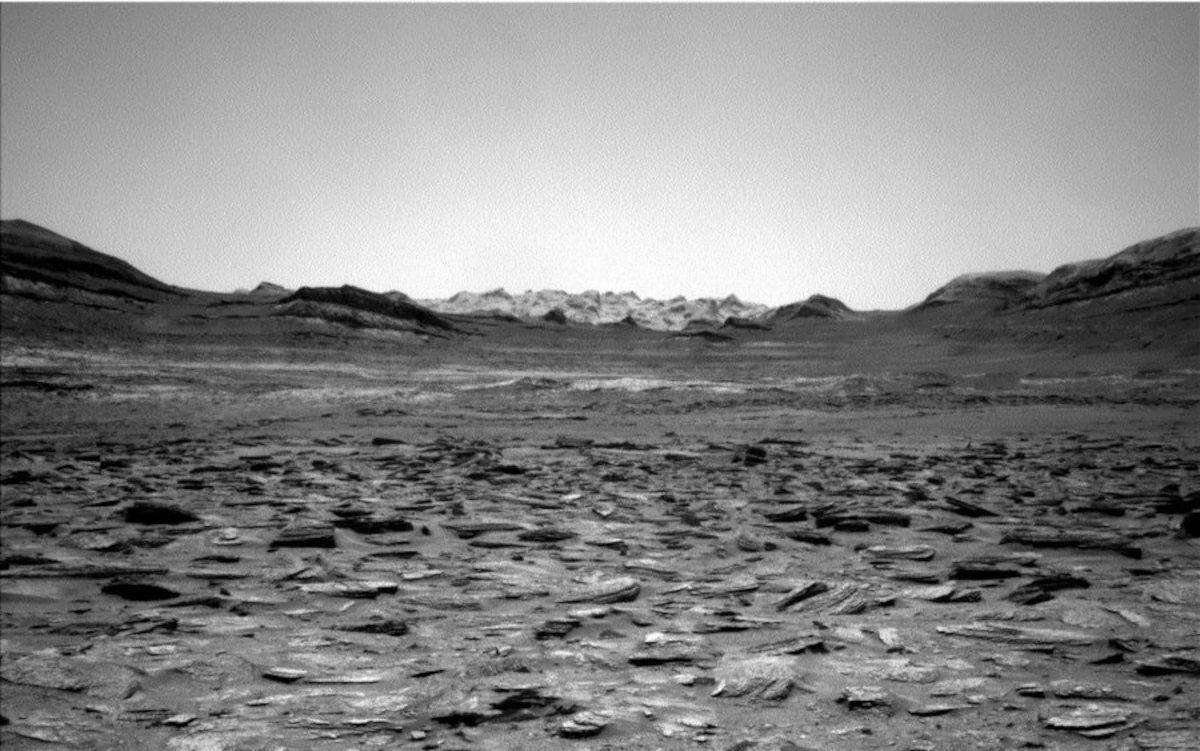
Curiosity Blog: Sols 4913-4919: Planetary explorers, freewheeling to the Yardang unit!
Written by Catherine O’Connell-Cooper, APXS Strategic Planner and Payload Uplink/Downlink Lead, University of New Brunswick, Canada Earth planning day: Friday, June 5th, 2026 In a very broad sense, Curiosity has two modes of doing science – one centred around a defined science campaign (such as the recent boxwork campaign) and the other as we move between campaigns. During a science…
Read More » -
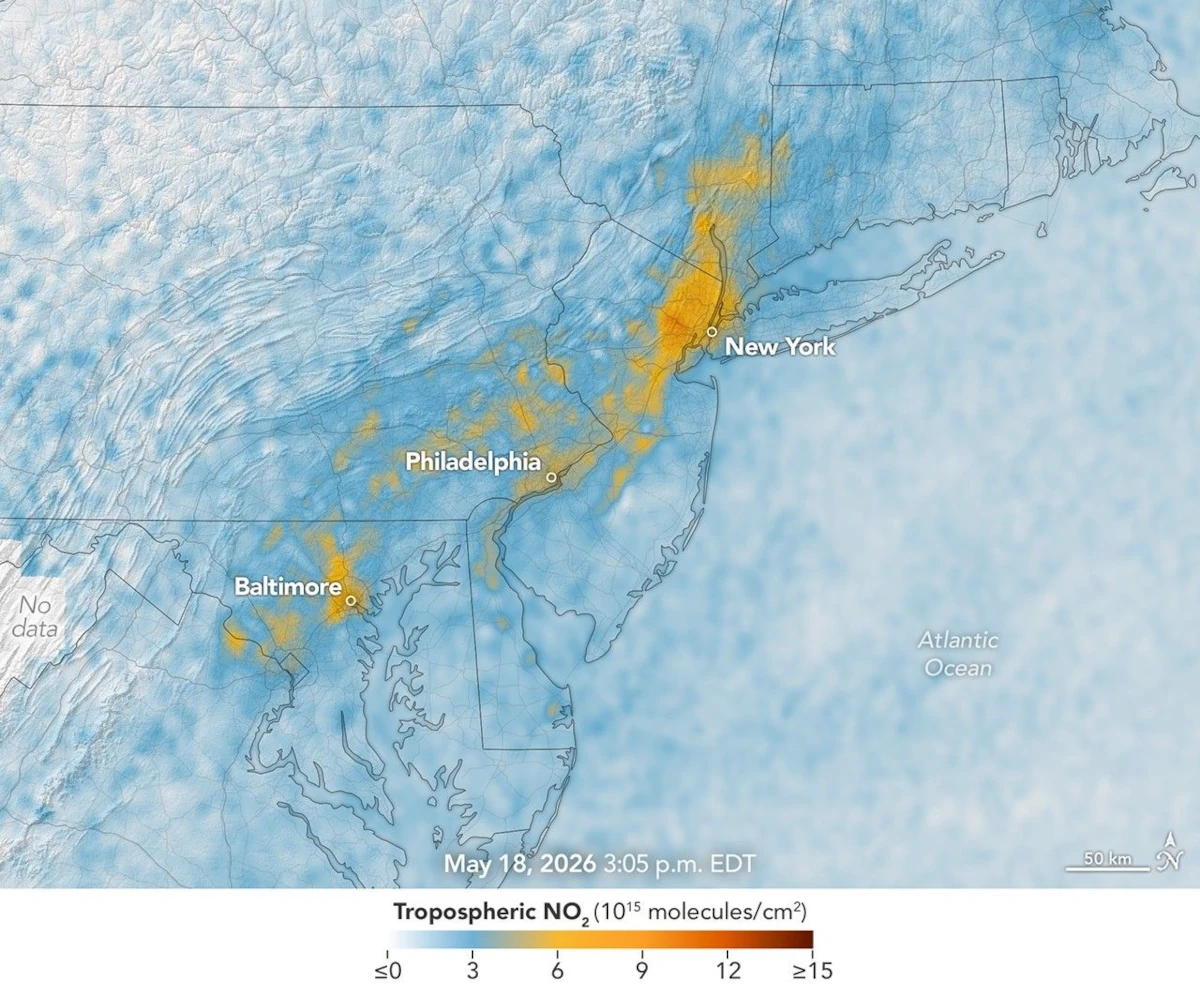
Air Pollution’s Daily Pulse Over the Northeast
More than 35 million people live along the New York–Washington corridor and breathe the region’s air. While air quality has improved significantly in recent decades, outbreaks of ground-level ozone remain common, particularly in the warm summer months, when the chemical reactions that produce the pollutant accelerate and stagnant air allows ozone to accumulate. A reminder of this seasonal phenomenon came earlier than usual in…
Read More » -
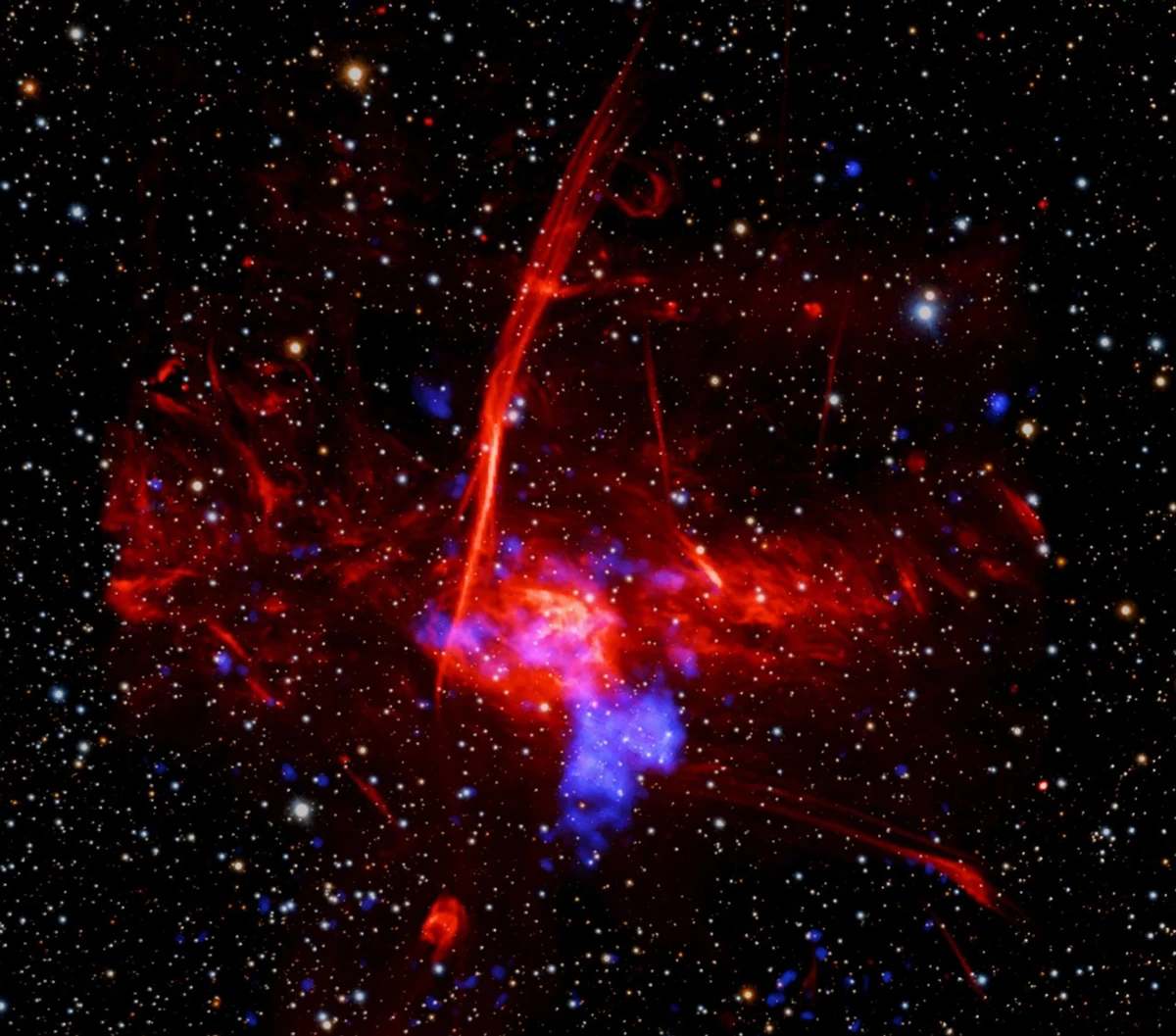
NASA’s Chandra Discovers Possible Supernova Remnant in Galactic Center
Using data from NASA’s Chandra X-ray Observatory, astronomers may have found a supernova remnant in an intriguing neighborhood in the middle of our galaxy. A paper describing these new findings published in The Astrophysical Journal. Supernova remnants are the expanding remains of exploded stars and provide elements – like iron, oxygen, and silicon – that are critical for the formation of planets…
Read More » -

NASA Awards Contract for Construction Services in California
NASA has selected multiple small businesses for the Western Regional Multiple Award Construction Contract, which supports a broad range of facility enhancement, modernization, and sustainment work at NASA’s Armstrong Flight Research Center in Edwards, California, NASA’s Ames Research Center in California’s Silicon Valley, and other federal agencies in the region. The contract provides general construction, modification, maintenance and repair, and…
Read More » -
NASA, NOAA to Hold Joint Session at 23rd Symposium on Operational Environmental Satellite Systems
Submit your abstract for “Advancing Weather and Environmental Science Through NASA and NOAA Commercial Satellite Data Programs,” a joint session hosted by NASA’s Commercial Satellite Data Acquisition (CSDA) program, in partnership with the NOAA National Environmental Satellite, Data, and Information Service (NESDIS) Commercial Data Program (CDP). The session is part of the 23rd Symposium on Operational Environmental Satellite Systems, which…
Read More » -
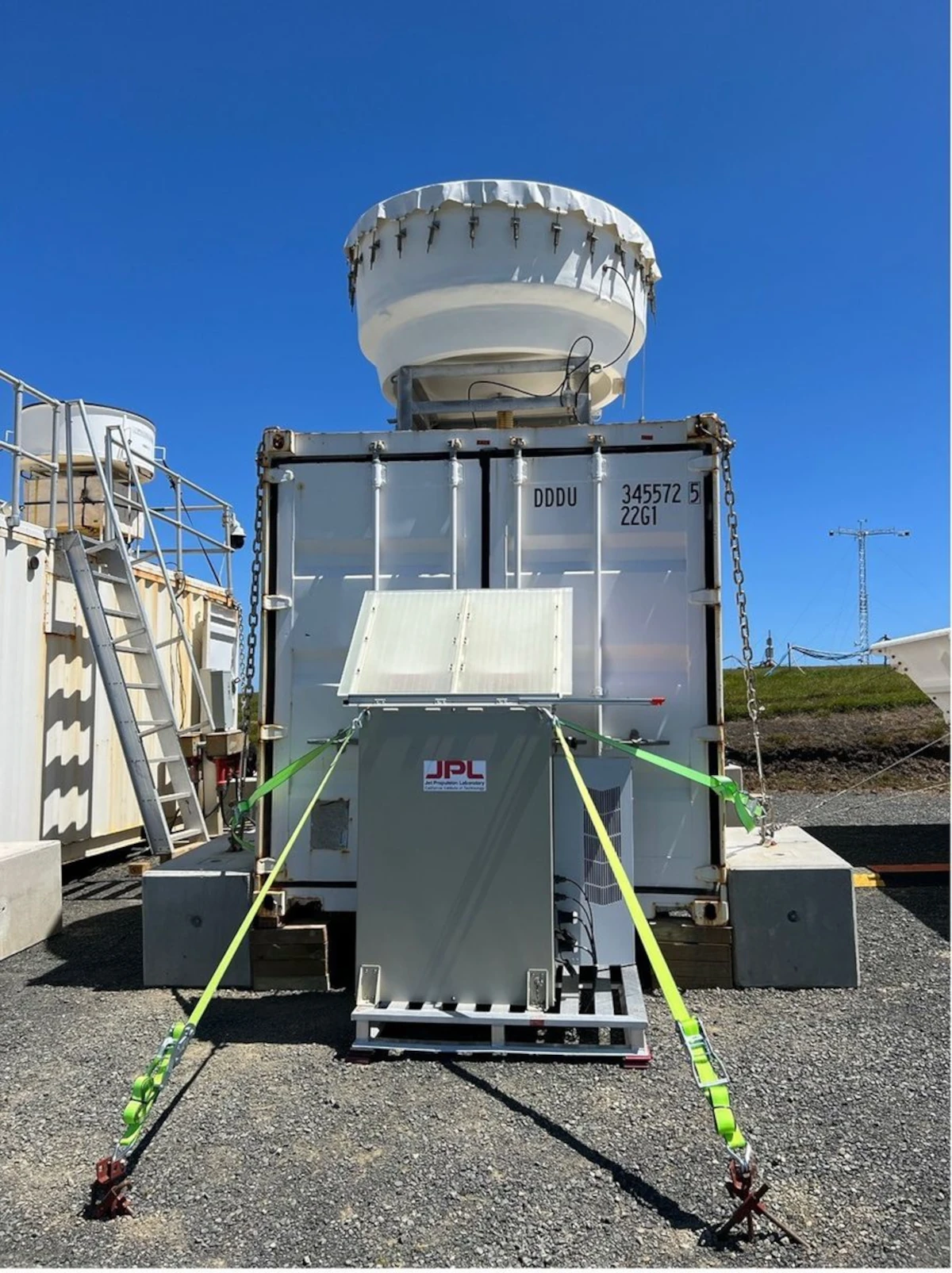
NASA’s CloudCube Pioneers Miniaturized Radar to Study Clouds, Precipitation
Built with funding from NASA’s Earth Science Technology Office Instrument Incubator Program, CloudCube transmits and receives Ka-, W-, and G-band signals, making it the first compact radar system capable of simultaneously probing meteorological targets at wavelengths spanning approximately one to ten millimeters. Researchers will be able to combine information from the three signals to learn more about the initiation and evolution…
Read More » -
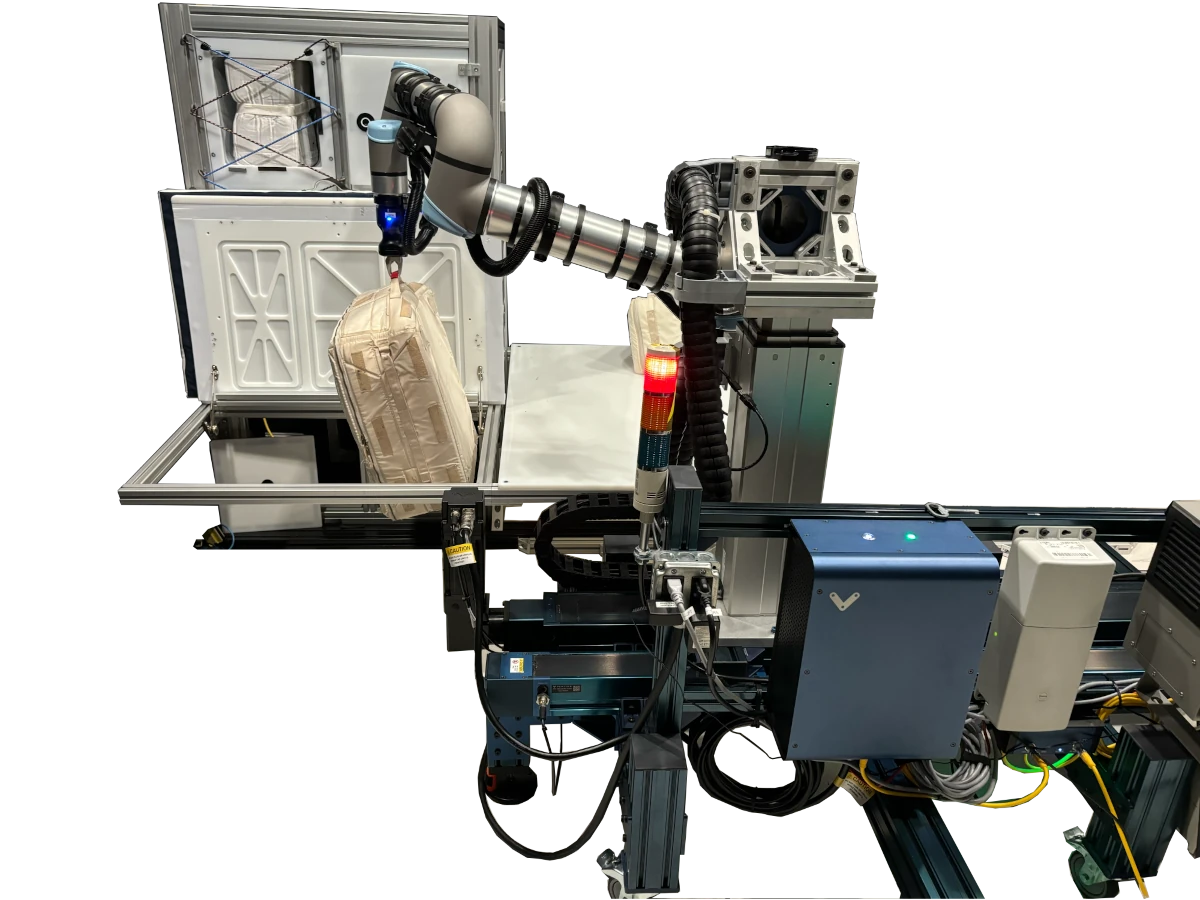
NASA Equips Astronauts, Industry with Robotic Intelligence
As NASA plans long-term missions on the Moon, the agency could use robots to perform routine tasks, allowing crew members to dedicate more time to science and exploration. However, robotic motion control requires complex technology and advances in features like robotic decision-making and object recognition. These are the challenges a Boulder, Colorado-based robotics company is teaming up with NASA to…
Read More »