
NASA
-
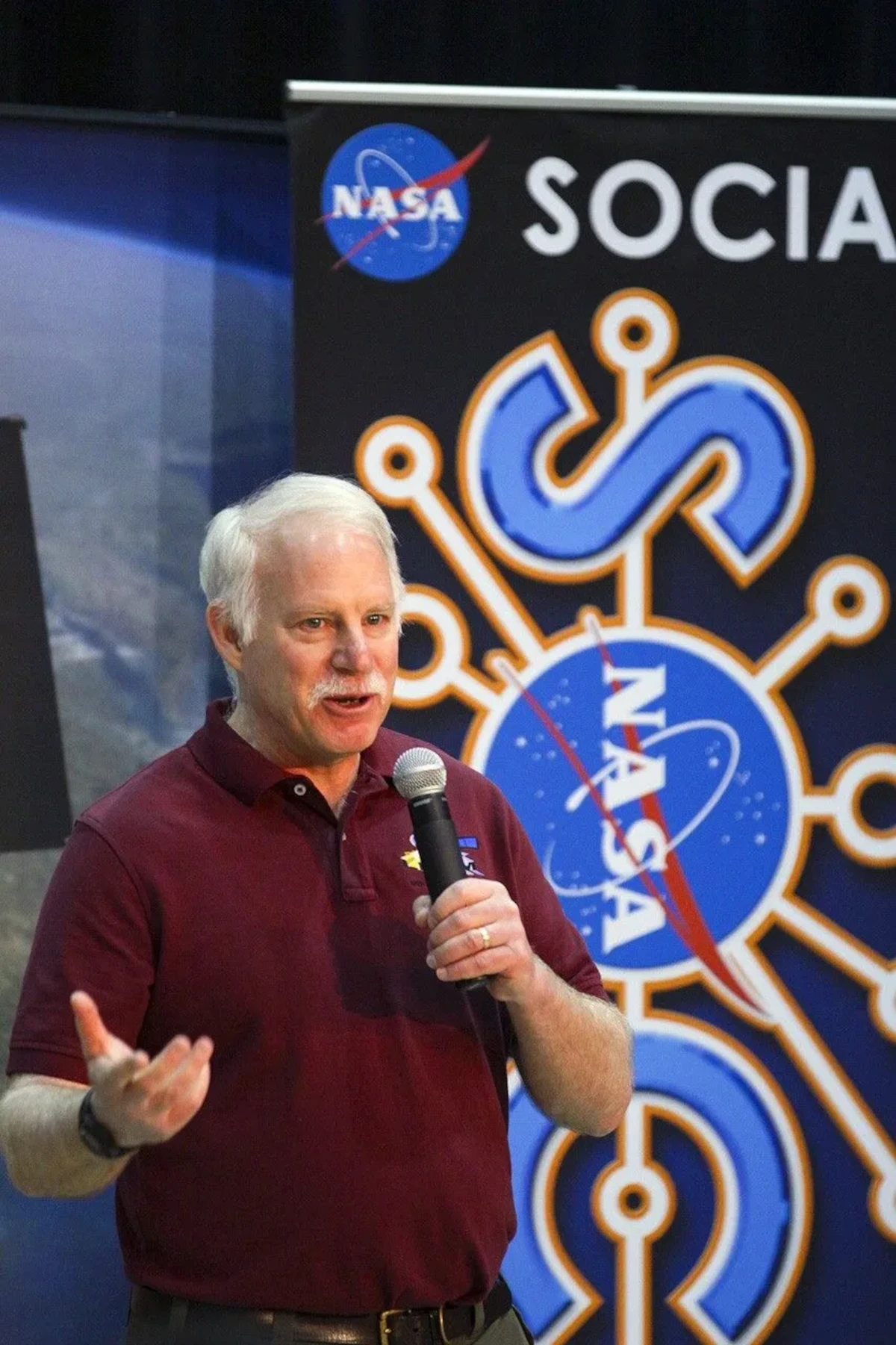
Jim Irons, Former Landsat Project Scientist, Wins Pecora Award
Last month, Landsat’s very own Jim Irons won the prestigious William T. Pecora Award. Irons, now an emeritus scientist at NASA Goddard Space Flight Center, played an integral role in shaping the Landsat program into what it is today. He served as deputy project scientist for Landsat 7 before taking over as project scientist for Landsat 8. From the earliest days…
Read More » -

GLOBE Mission Earth Educators Participate in Land Cover Community of Practice
During the 2025-2026 school year, educators from the NASA Science Activation Program’s GLOBE (Global Learning and Observation to Benefit the Environment) Mission Earth project participated in a specialized Community of Practice led by NASA Langley Research Center to refine how students interact with NASA’s land cover data (MODIS, Landsat, and Sentinel-2). Their collaboration focused on four key areas: Data Collection: Improving the process of…
Read More » -
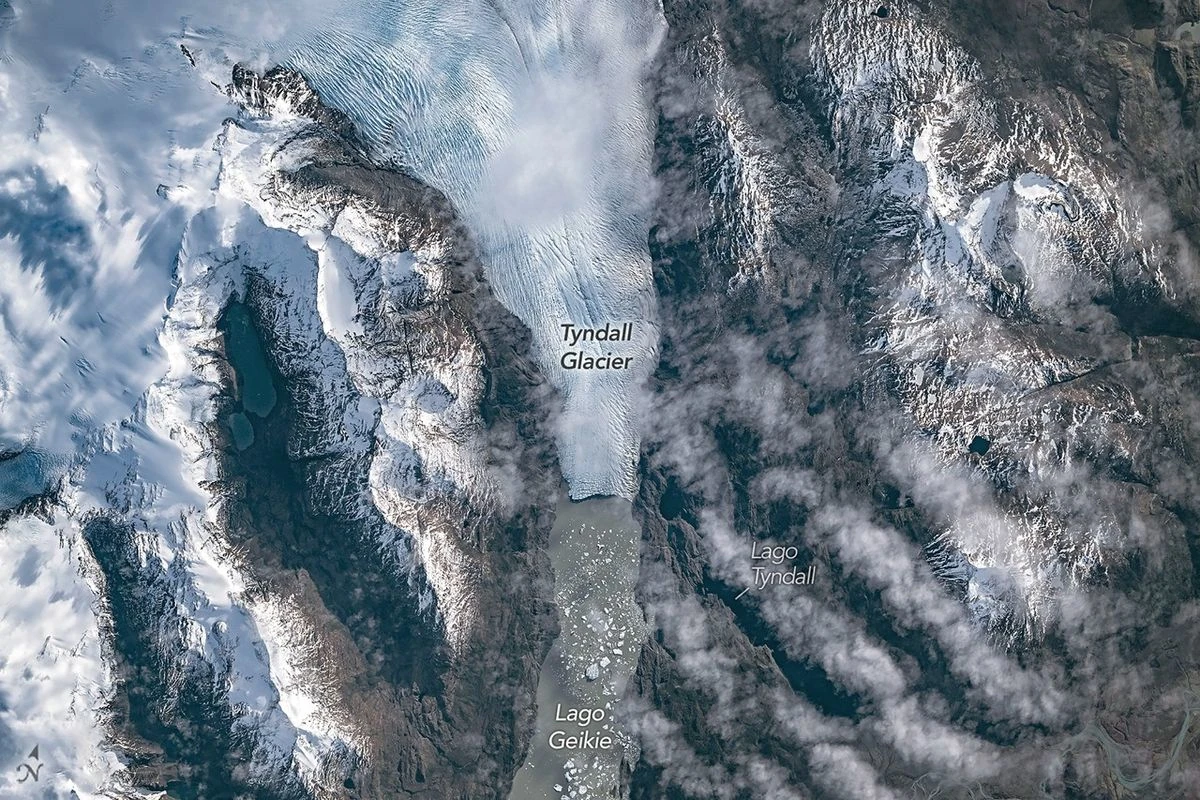
Tyndall’s Trail of Bergs
The Southern Patagonian Icefield is the largest expanse of ice in the Southern Hemisphere outside of Antarctica. The mass of glacial ice extends hundreds of kilometers along the spine of the Andes, feeding dozens of dynamic outlet glaciers that grind their way down from higher elevations. Many of these rivers of ice terminate in the sea or in proglacial lakes. An astronaut aboard…
Read More » -
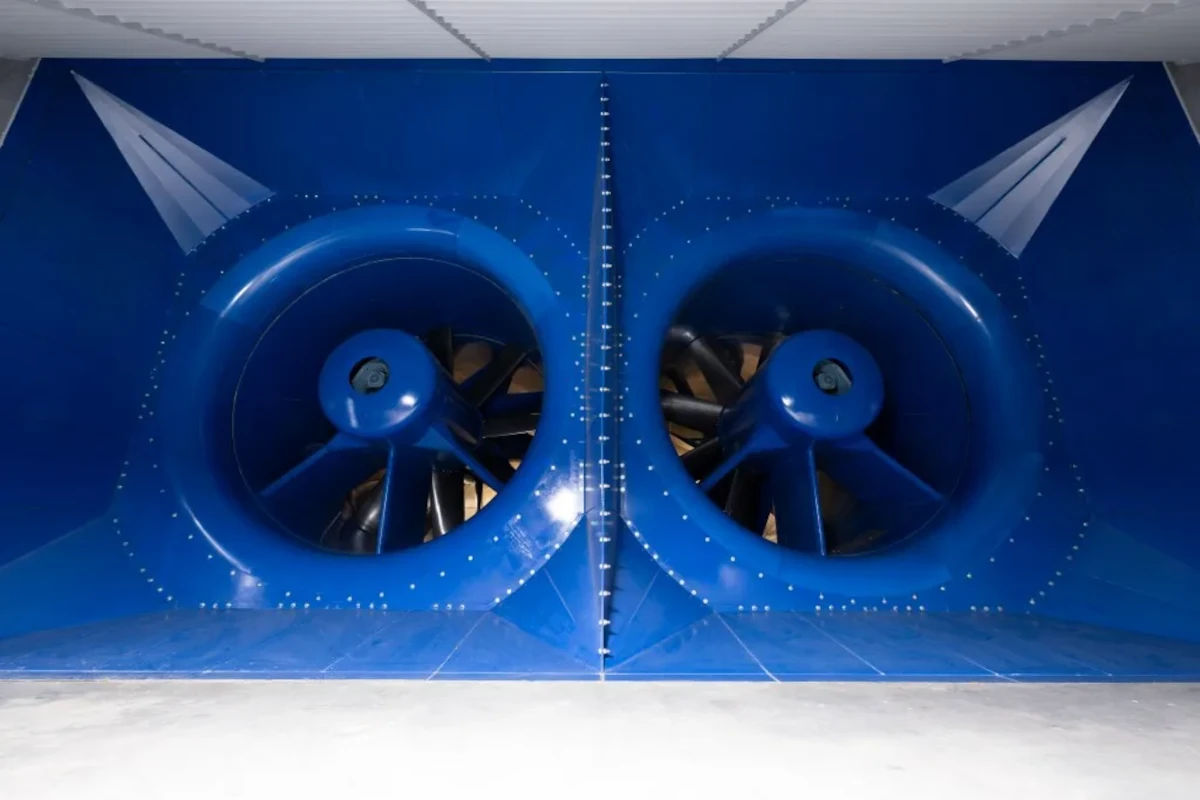
Flight Dynamics Research Facility Characteristics
HomeCharacteristics The Flight Dynamics Research Facility (FDRF) is a large, subsonic wind tunnel with a vertical test section for conducting flight dynamics research for stability, controllability, free-fall and aircraft spin, and spin recovery testing of atmospheric vehicles. Characteristics Test Section Dimensions: 20 ft. diam. by 24 ft. high Speed: 0 – 172 ft/s (0 – 117 mph) Dynamic Pressure: (0…
Read More » -
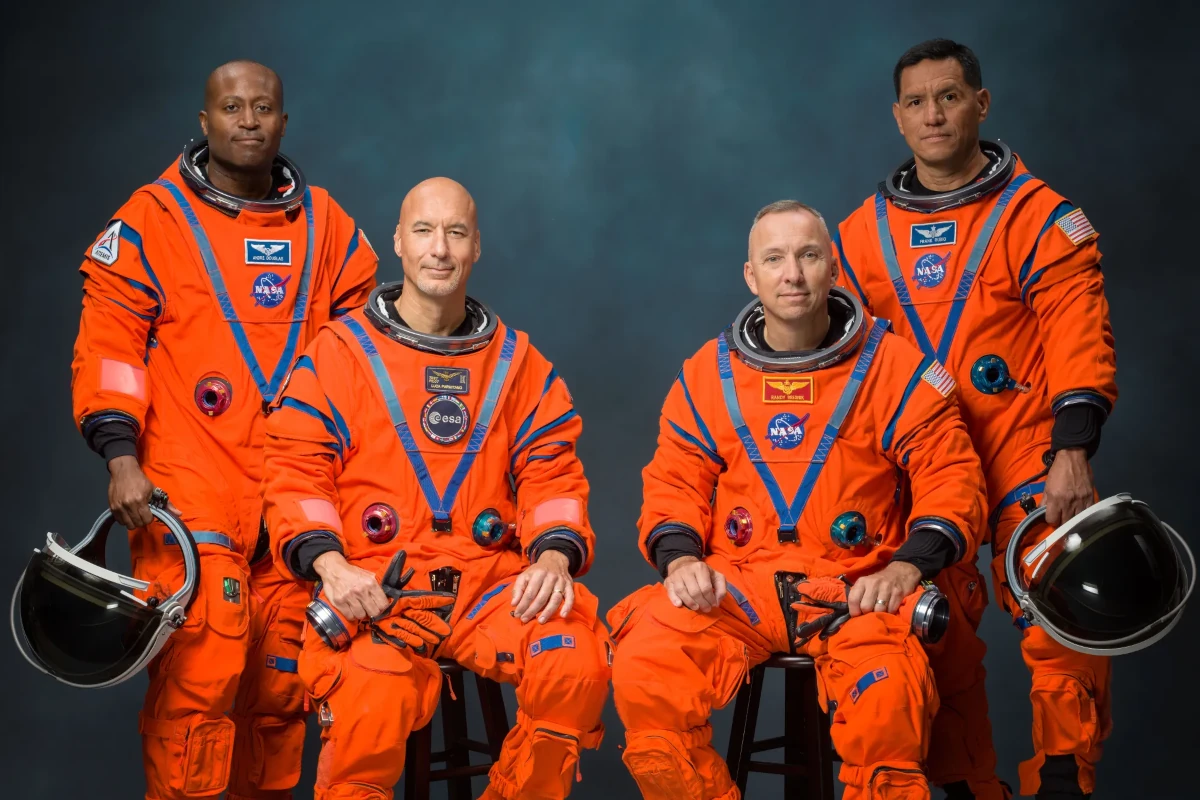
NASA Marches Toward Artemis III Mission in 2027, Names Crew Members
Taking another step toward one of the most complex human spaceflight missions in recent history, NASA on Tuesday provided new Artemis III details and announced the four prime crew members and a backup for the test flight. The mission will undertake a series of challenging tests in Earth orbit in 2027, essential for Artemis IV, the first planned crewed mission to…
Read More » -
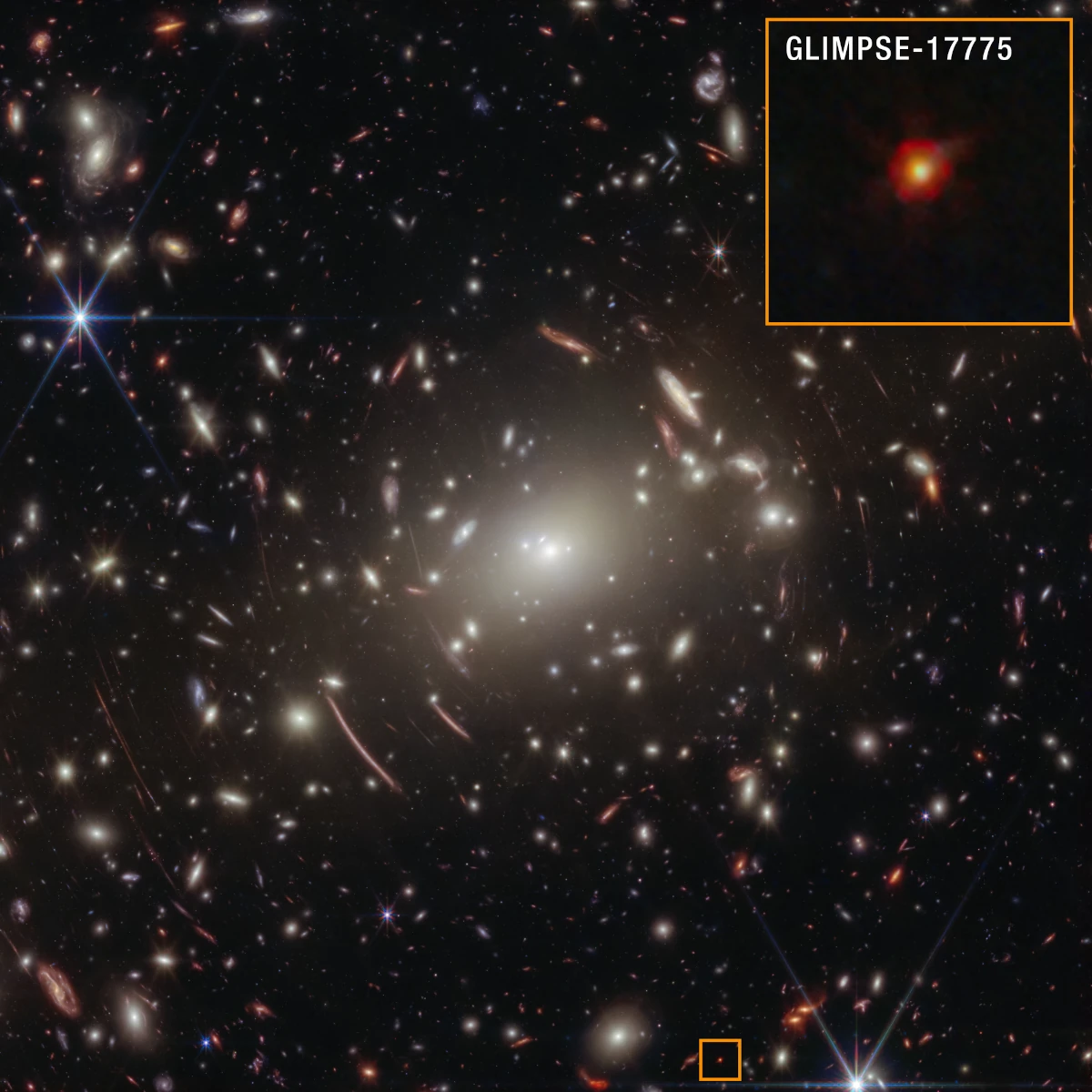
NASA Webb Finds Strongest Evidence Yet for ‘Black Hole Stars’
The complex puzzle known as little red dots has become more complete since their initial discovery by NASA’s James Webb Space Telescope in 2022. Now a particular little red dot’s spectrum is helping connect many of the pieces. A team of astronomers led by Vasily Kokorev at the University of Texas at Austin identified the lucky dot in question: GLIMPSE-17775.…
Read More » -
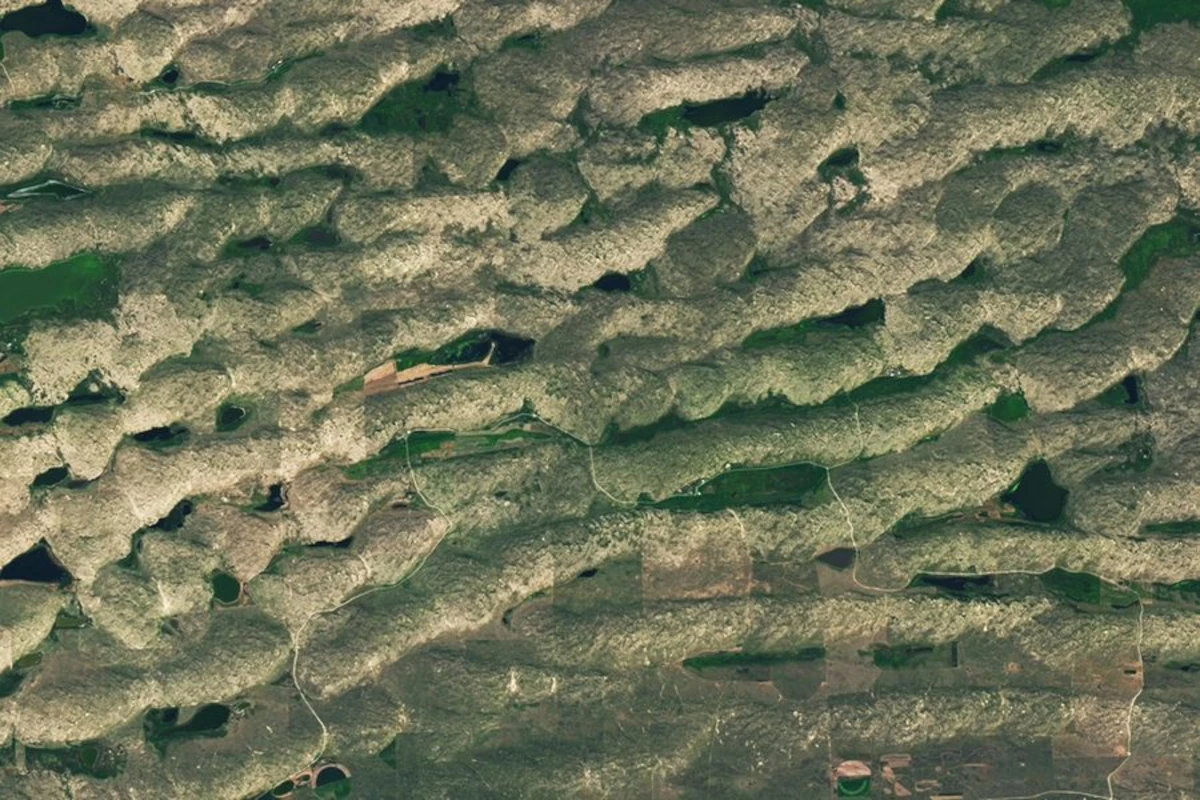
June 2026 Satellite Puzzler
Every month, NASA Earth Observatory features a puzzling satellite image. The June 2026 puzzler appears above. Your ChallengeIdentify the location shown in this satellite image. Share what clues you see, where you think it is, and what makes this place interesting or unique to you. How to AnswerSubmit your response using this form and select “Puzzler Answer” as the topic. Please include your preferred…
Read More » -
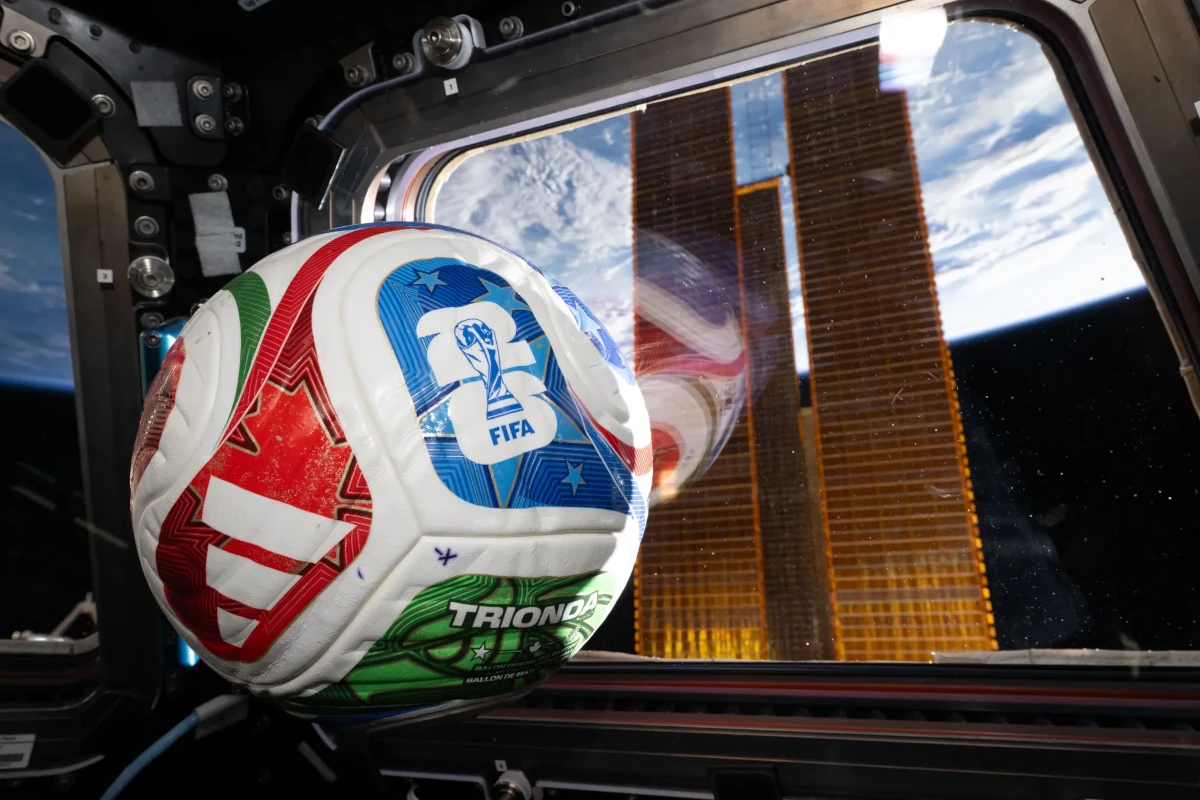
How NASA Science and Artemis Are Shaping the 2026 FIFA World Cup
As the FIFA World Cup approaches, NASA is bringing space science and engineering to soccer fans worldwide. From June 11 to July 19, 2026, NASA will host an exhibit at FIFA Fan Festival™ Houston where visitors can learn how research aboard the International Space Station benefits life on Earth and experience missions in low Earth orbit, the Moon, and beyond through the Artemis program. On June 11, as the FIFA World Cup begins, NASA’s exhibit at Fan Festival Houston will…
Read More » -
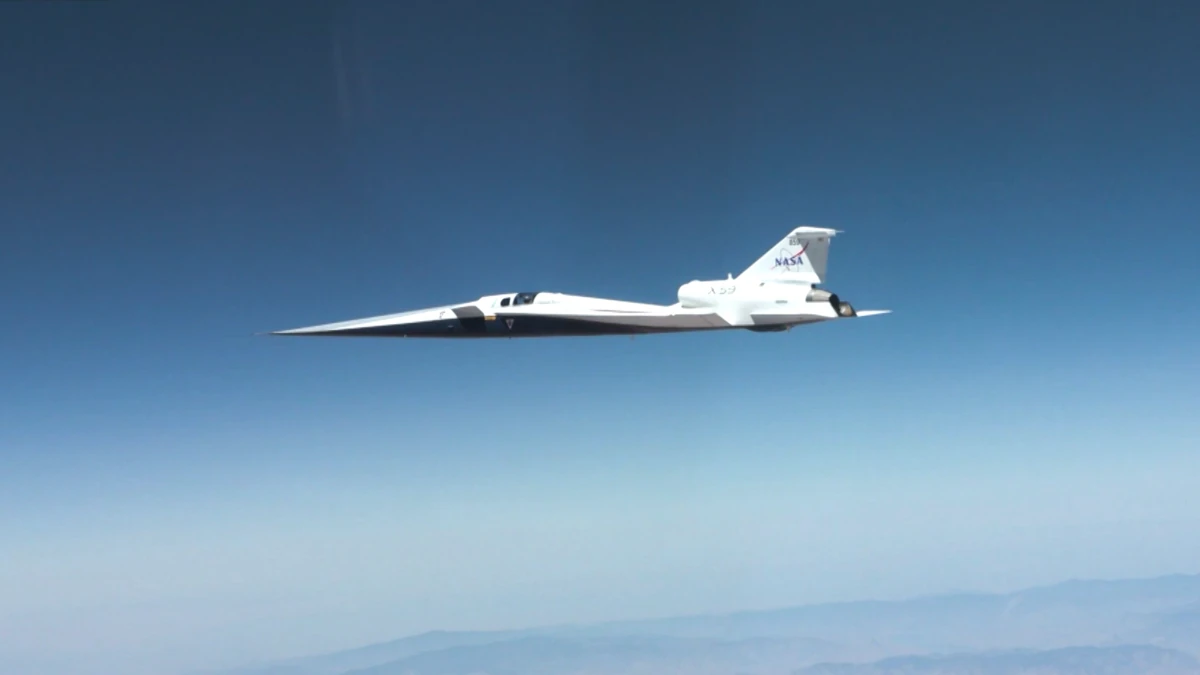
Supersonic!
On June 5, 2026, NASA’s experimental X-59 aircraft flew faster than the speed of sound for the first time, setting the stage for demonstrating its quiet supersonic capabilities later this year. NASA test pilot Jim “Clue” Less took off and landed at Edwards Air Force Base in California, reaching a top speed of approximately Mach 1.1 (713 mph). The flight lasted 81 minutes, with the team focusing on flying qualities at both subsonic and then supersonic speeds.…
Read More » -
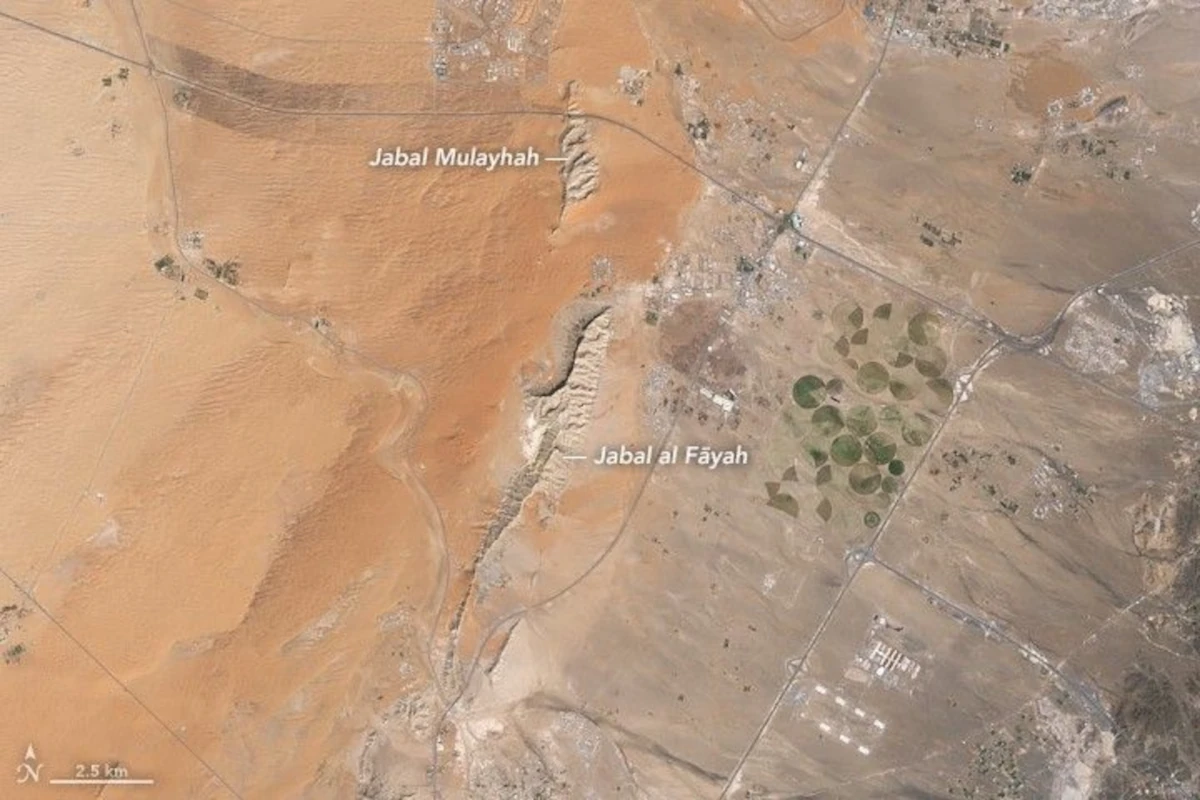
Digging Back in Time in the UAE
About an hour’s drive east of Dubai’s gleaming towers and artificial islands, a quieter, more natural landscape takes shape. At the far northern edge of the Rub’ al Khali, a saffron-colored sand sea laps against the Al-Hajar Mountains. A series of pale ridges rises finlike from the desert plain, with the largest—Jabal al Fāyah—standing 412 meters (1,352 feet) above sea level. The Landsat 8 satellite captured this…
Read More »