
NASA
-
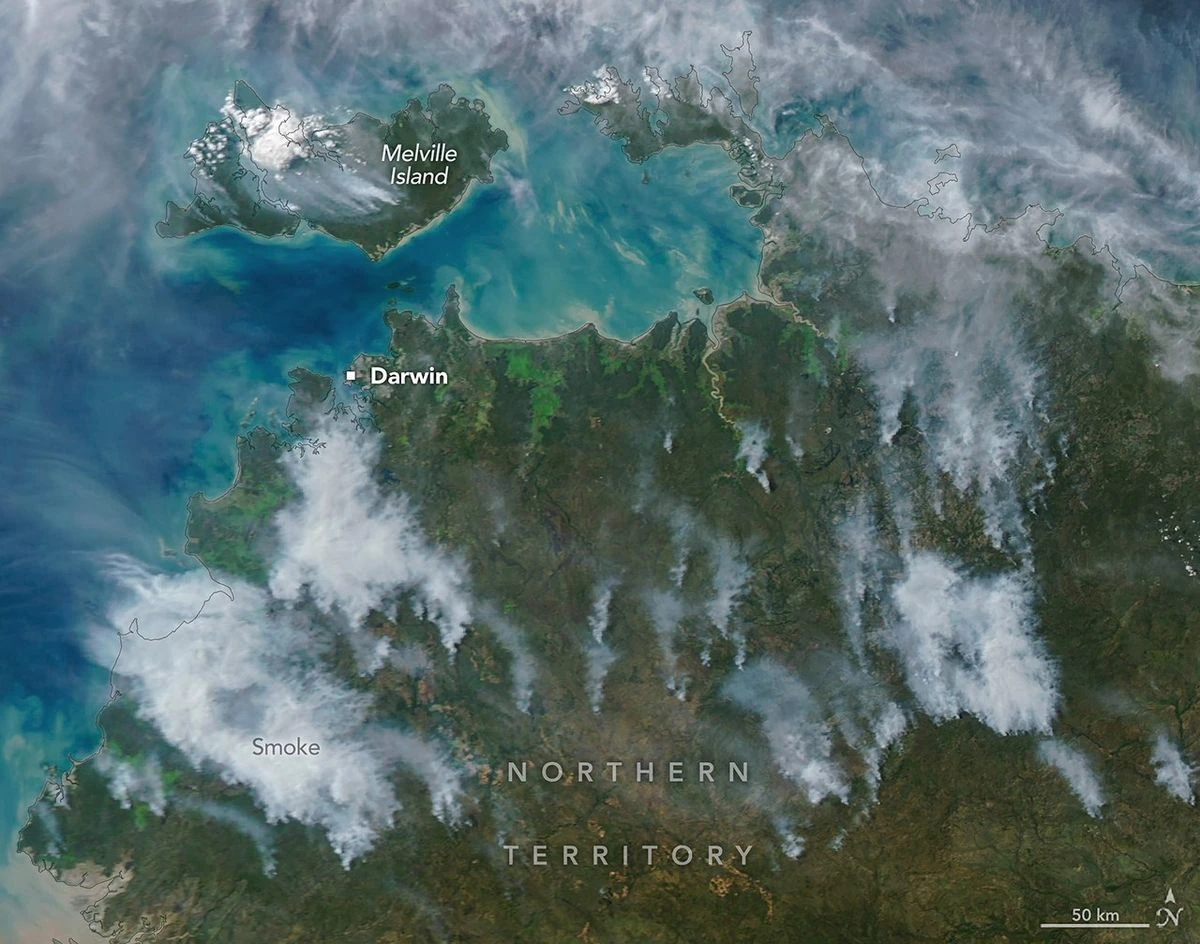
Fighting Fire With Fire
In May and June of most years, NASA satellites typically begin to detect large numbers of wildland fires throughout the Top End and Arnhem Land regions of Australia’s Northern Territory. On some days, especially in the afternoon, the blazes can resemble sizable wildfires in satellite imagery, spreading widely and producing expansive smoke plumes. That was the case when NASA’s Aqua satellite acquired this image…
Read More » -
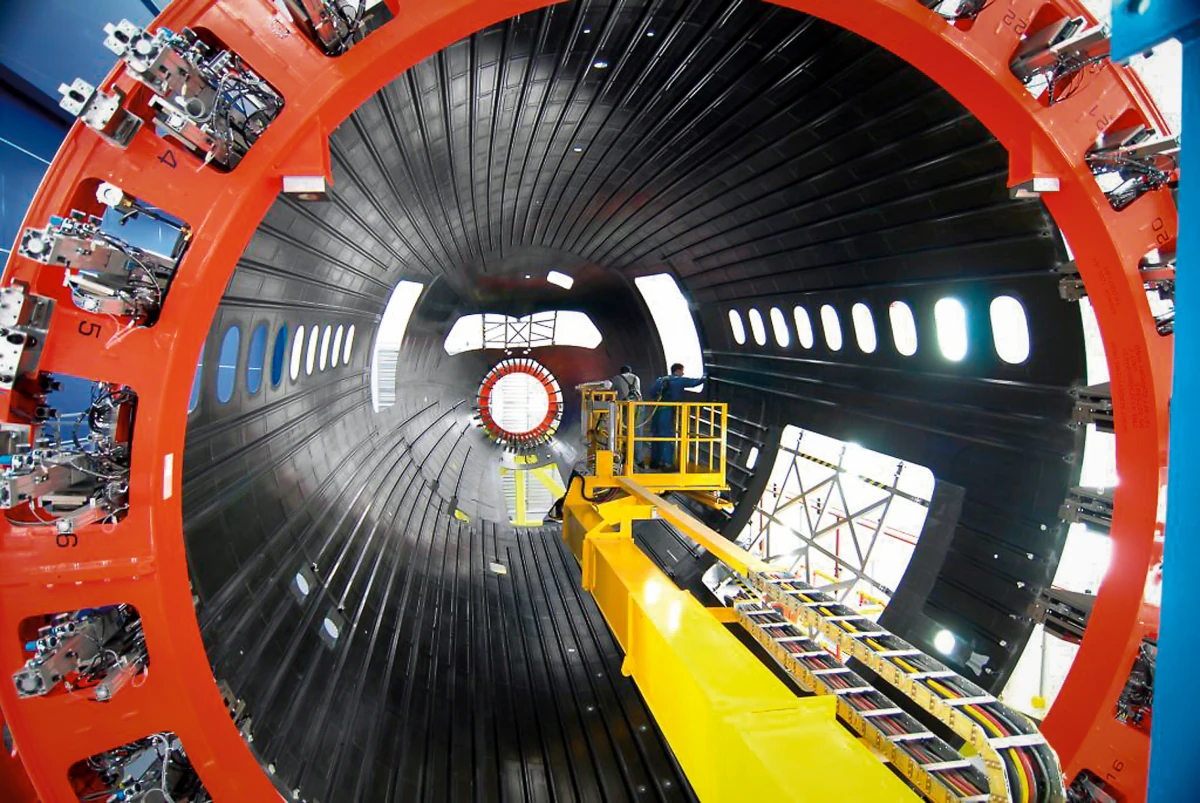
NASA Hosts 2026 Review on Advanced Composite Manufacturing
NASA’s Hi-Rate Composite Aircraft Manufacturing (HiCAM) project brought together its full team of Advanced Composites Consortium partners for a 2026 spring review at NASA’s Langley Research Center in Hampton, Virginia. The meeting took place May 5-7, bringing together about 150 people from the consortium, a 22-member public-private partnership. The review gave NASA and industry partners a chance to look at recent progress and plan for the work ahead.…
Read More » -
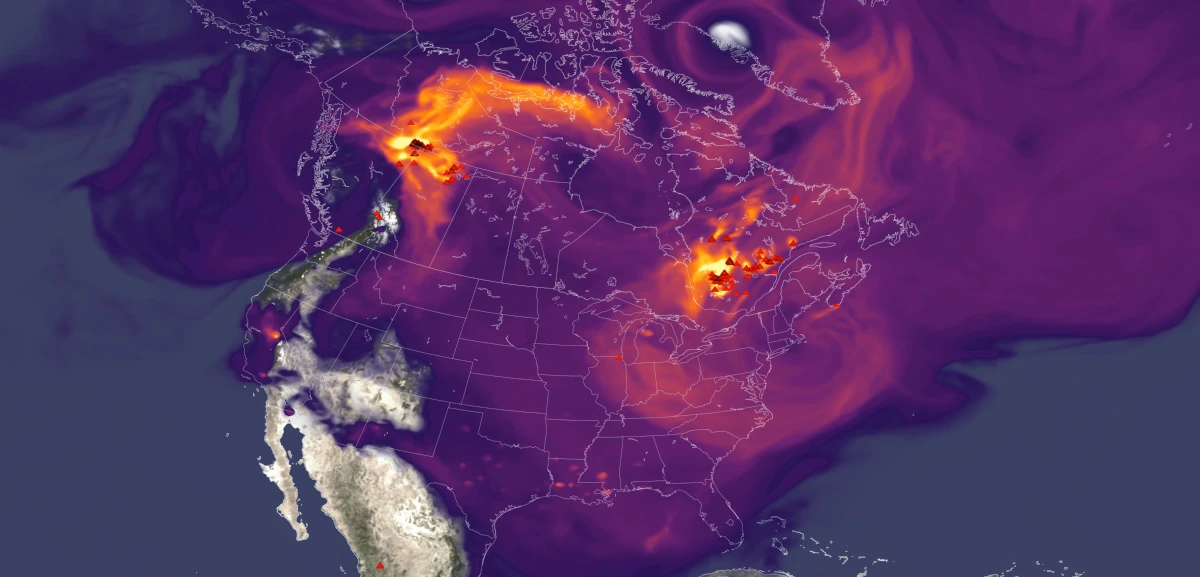
NASA-Funded Study Shows Wildfire Smoke’s Hidden Ozone Toll
Wildfire smoke is stoking a new challenge for cleaner air. A NASA-supported study published Thursday found that, over the last decade, wildfires have worsened ground-level ozone pollution across much of the contiguous United States, creating unhealthy air far from active flames. Wildfires have become an increasingly important contributor to ground-level ozone, or smog, across much of the United States, researchers…
Read More » -
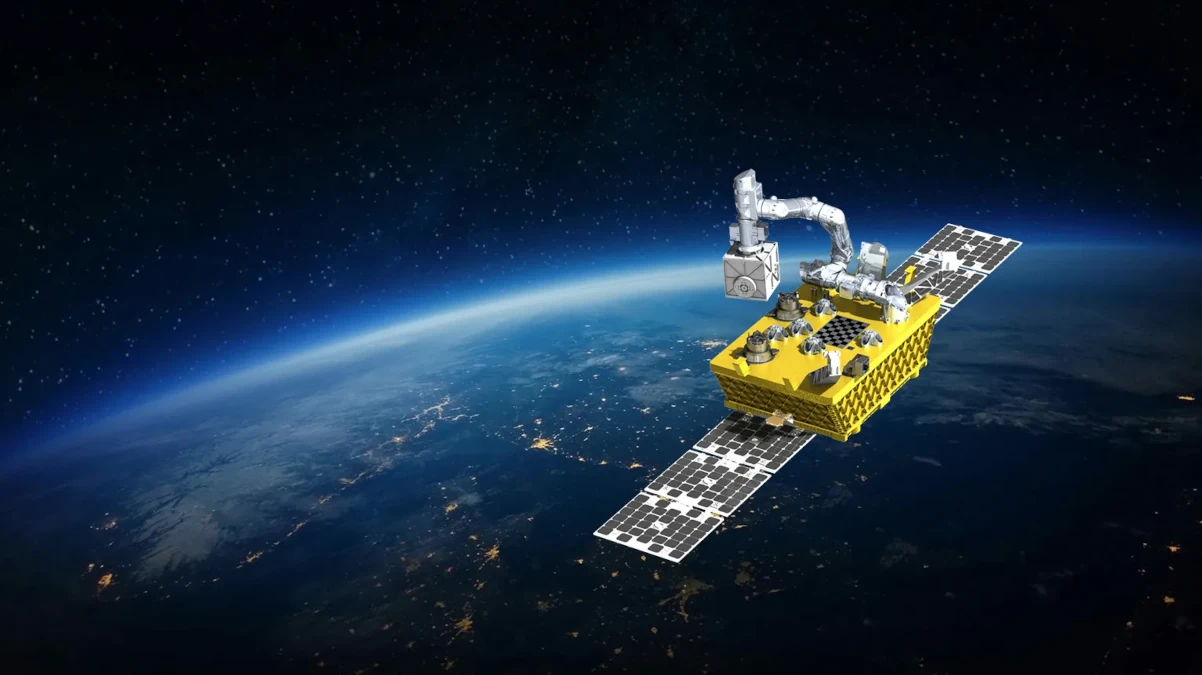
NASA Space Roboticist Challenge
The Fly Foundational Robots (FFR) mission will launch a robotic arm, with seven degrees of freedom, to low Earth orbit. NASA is opening access to the robotic arm to a select group of U.S. researchers — principal investigators, post-doctoral researchers, professors, and highly qualified graduate students — who have a compelling experiment and the capability to execute it. All participants must submit…
Read More » -
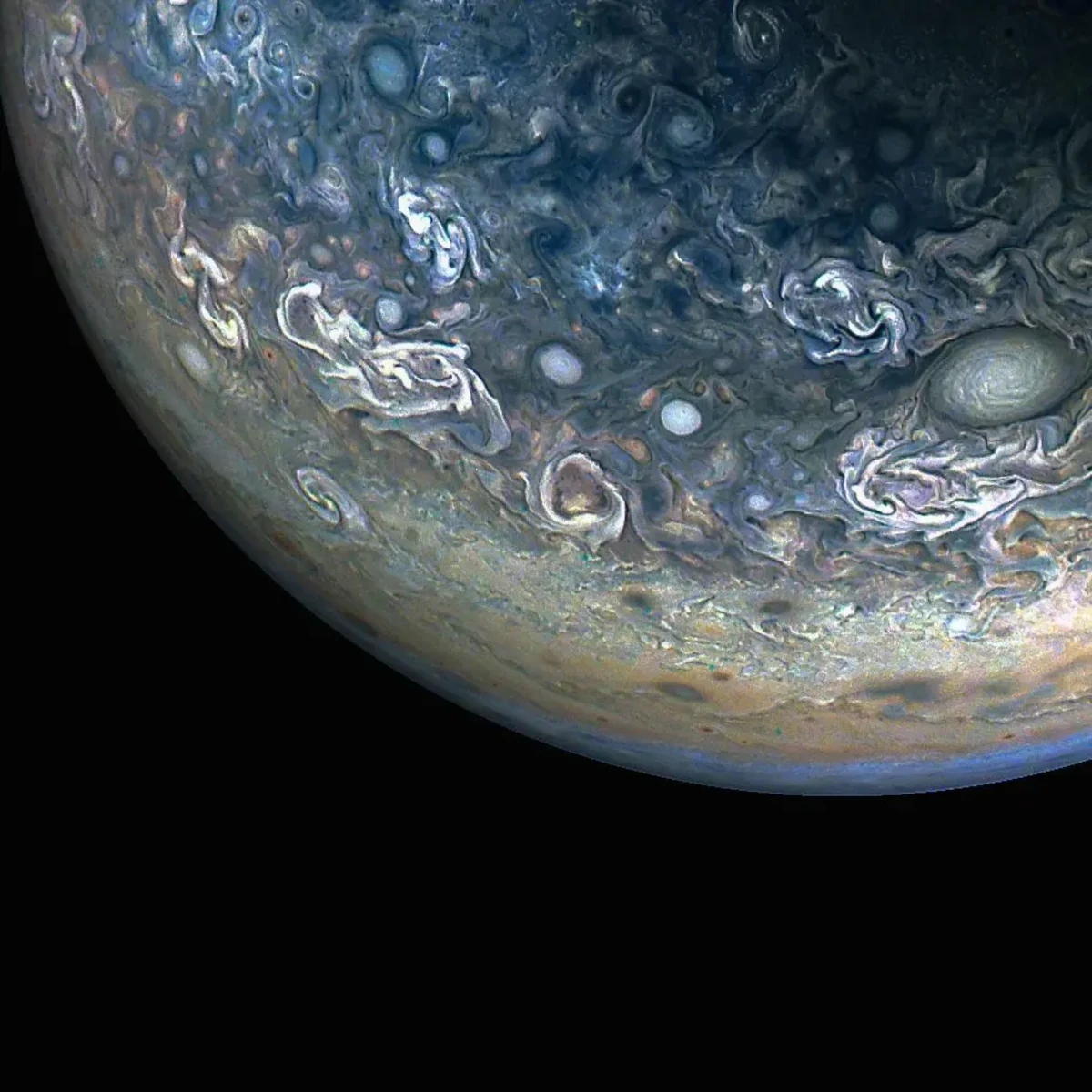
Colorful, Chaotic Jupiter
NASA’s Juno spacecraft captured this color-enhanced view of Jupiter’s northern hemisphere during its 61st close flyby of the giant planet on May 12, 2024. Citizen scientist Gary Eason made this image using raw data from the JunoCam instrument, applying digital processing techniques to enhance color and clarity. It provides a detailed view of chaotic clouds and cyclonic storms in an area known…
Read More » -
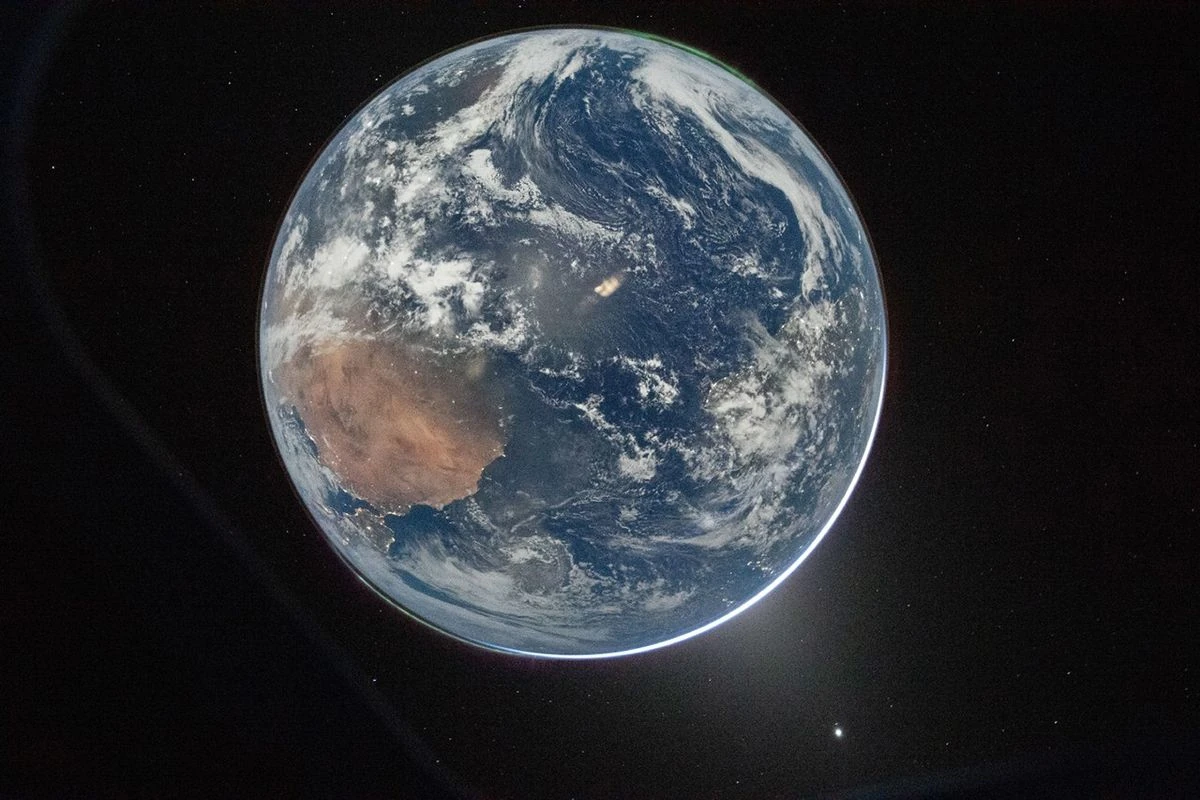
A Moonlit Earth as Seen From Artemis II
One of the first images transmitted back to Earth from the Artemis II mission was a stunner. In a single image, Earth’s full disk appears amid celestial phenomena that illustrate its place in the solar system. And although the visible hemisphere appears to be awash in sunlight, it is actually lit by moonlight. The astronauts’ vantage point provided a rare opportunity to…
Read More » -
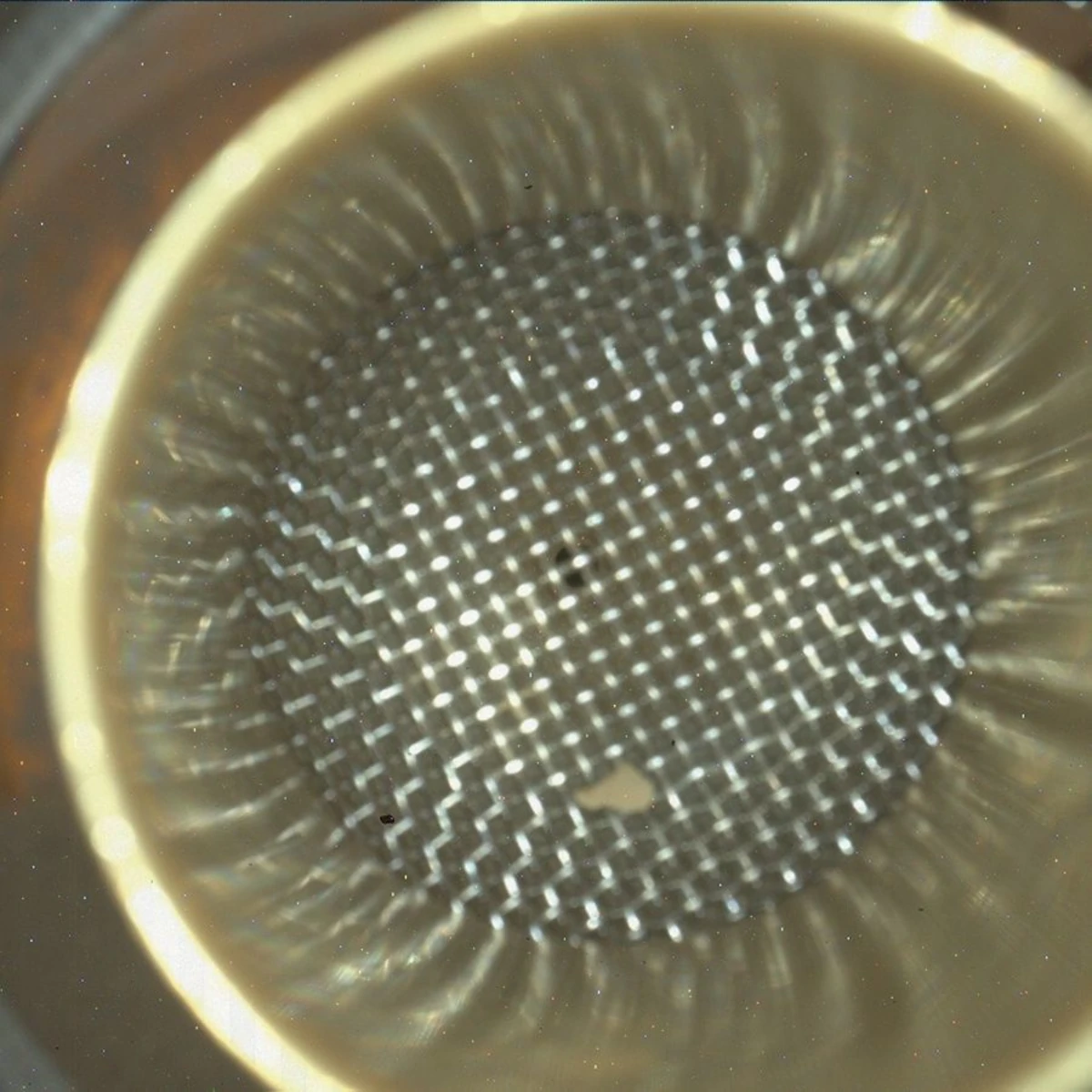
Curiosity Blog, Sols 4908-4912: Goodbye Campo Marte, It’s Been Fun!
By Susanne P. Schwenzer, Professor of Planetary Mineralogy at The Open University, UK Earth planning date: Friday, May 29, 2026 Drilling always keeps the rover in place for a little while, and our 47th successful drill, “Campo Marte,” was no exception. The team used the time wisely and on top of the drilling, we also have many observations. Thinking for…
Read More » -
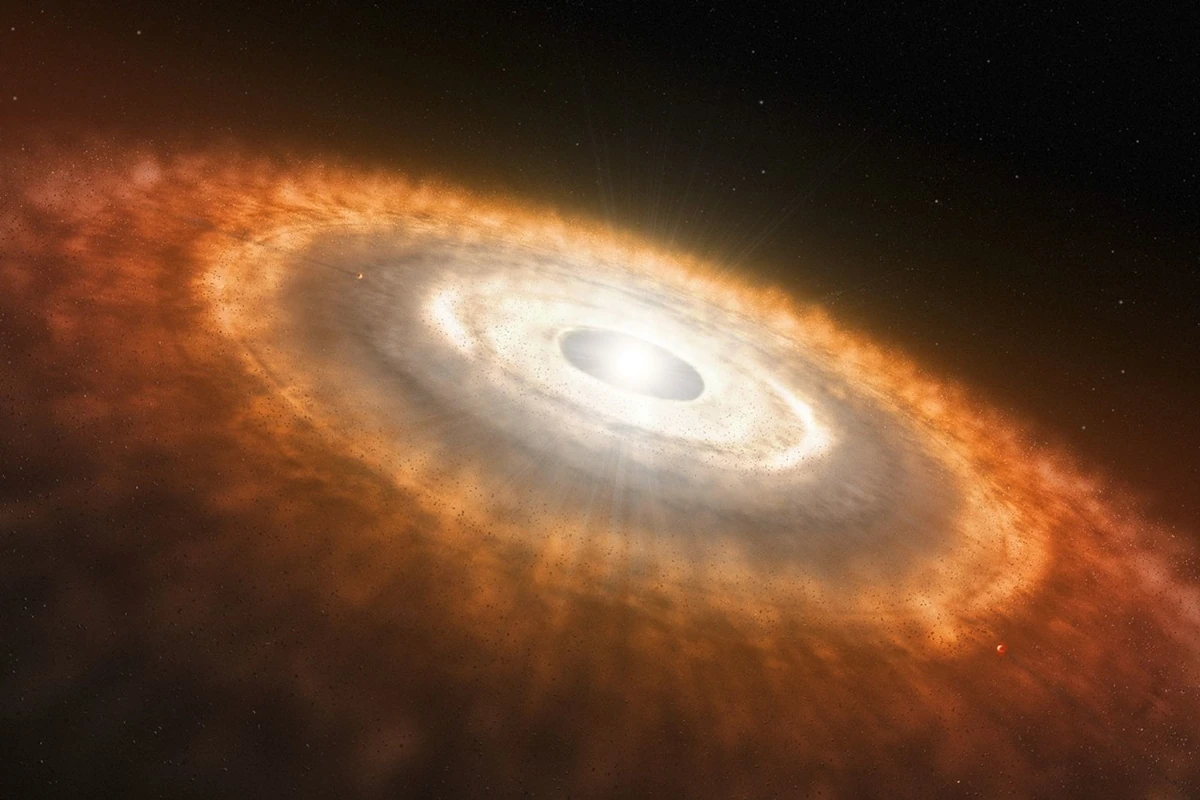
NASA Finds New Way Earth May Have Received Elements Needed for Life
NASA-supported scientists have provided new information about how the early Earth may have acquired some elements necessary for the planet to become habitable. They also suggest a new role for Jupiter in the distribution of these elements throughout the young solar system. The study, published today in Science Advances, examines this history by looking at the ratio of phosphorus to nitrogen…
Read More » -
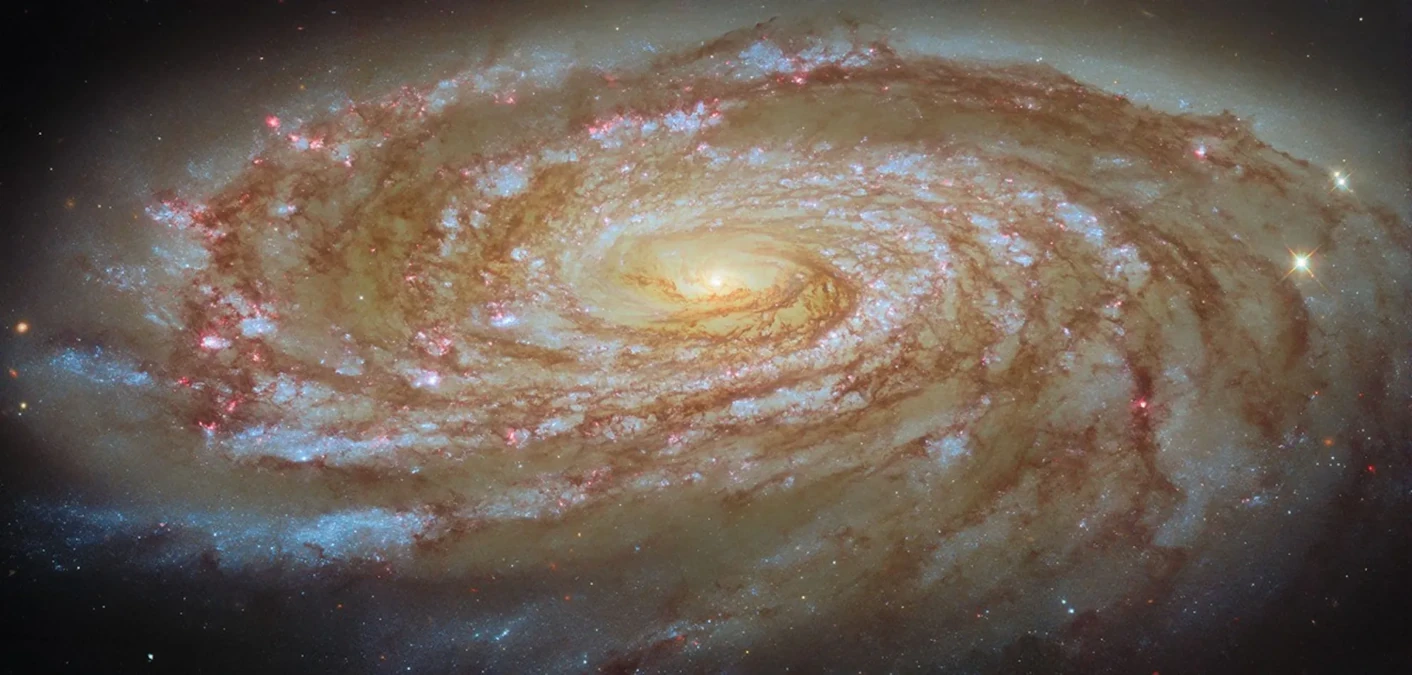
Journey to the Center of the Virgo Cluster
The focus of this NASA/ESA Hubble Space Telescope image released on May 29, 2026, is an active spiral galaxy on a journey lasting hundreds of millions of years. The galaxy Messier 88 (M88), also known as NGC 4501, is located about 63 million light-years away in the constellation Coma Berenices (Berenice’s Hair). M88 is an active galaxy, which means that its center harbors a supermassive black hole that is snacking…
Read More » -

NASA Drains 66-Million-Gallon Reservoir to Upgrade Critical Water System
A powerful but mostly unseen water system at work during rocket engine tests at NASA’s Stennis Space Center near Bay St. Louis, Mississippi, underwent an upgrade in May. Crews brought the High Pressure Industrial Water Facility’s 66-million-gallon reservoir to its lowest level since construction in the 1960s by pumping out about 40 million gallons of water over three days. This…
Read More »