
NASA
-
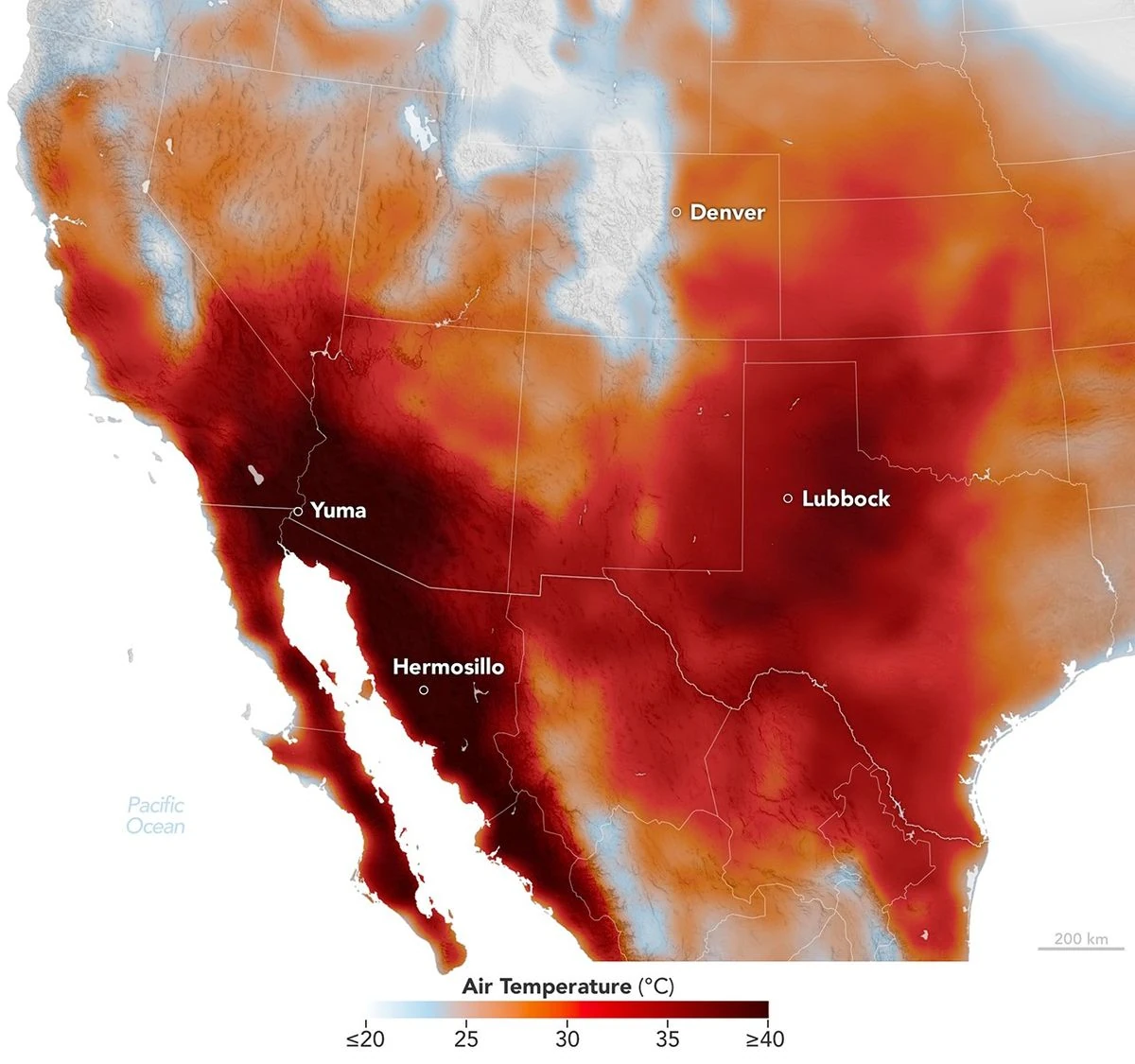
A Hot Start to Spring in the Southwest
In March 2026, the first official day of the Northern Hemisphere’s spring felt more like summer across much of the southwestern United States. Numerous high-temperature records fell that day amid a bout of extreme heat. The extent and severity of the heat are represented on this map, which shows air temperatures on the afternoon of March 20, modeled at 2…
Read More » -

NASA Sets Coverage for First Artemis Crewed Mission Around Moon
A variety of prelaunch, launch, and mission events for NASA’s Artemis II mission around the Moon will stream online. The agency is targeting no earlier than Wednesday, April 1, for the test flight during a two-hour window that opens at 6:24 p.m. EDT, with additional launch opportunities through Monday, April 6. Artemis II is NASA’s first crewed mission under the…
Read More » -
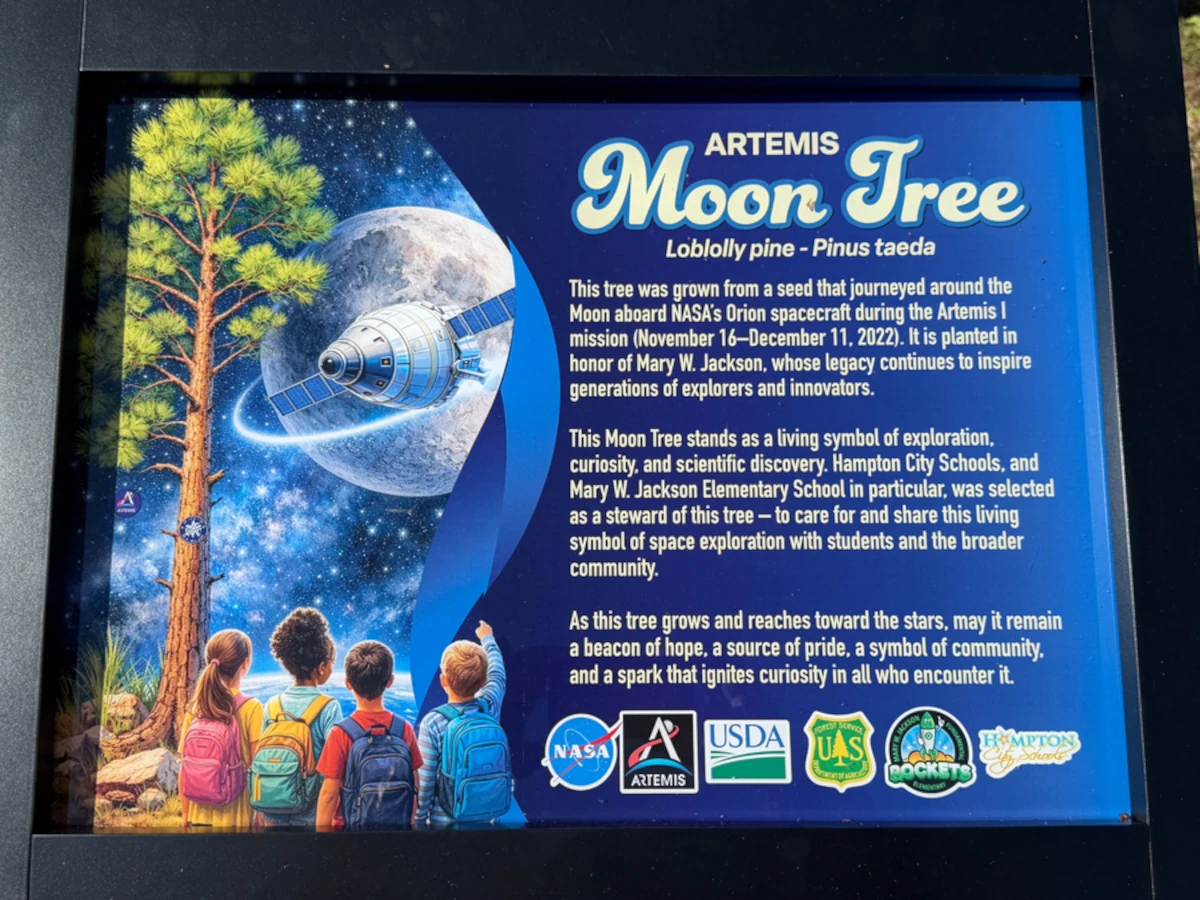
Artemis Moon Tree Dedicated in Honor of Mary W. Jackson
On March 18, 2026, students, staff, and members of NASA’s Langley Research Center gathered at Mary W. Jackson Elementary School in Hampton to celebrate the dedication of a remarkable addition to the campus – an Artemis Moon Tree. Although formally dedicated on this day, the loblolly pine had already taken root months earlier, having been planted on November 21st, 2025,…
Read More » -

NASA Awards Astrophysics Postdoctoral Fellowships for 2026
The highly competitive NASA Hubble Fellowship Program (NHFP) recently named 24 new fellows to its 2026 class. The NHFP enables outstanding postdoctoral scientists to pursue independent research in any area of NASA Astrophysics, using theory, observations, simulations, experimentation, or instrument development. Over 650 applicants vied for the 2026 fellowships, representing an oversubscription rate of 27 to 1. Each fellowship provides…
Read More » -

NASA Sets Coverage for Artemis II Moon Mission
Editor’s note: NASA will continuously update this Artemis II briefings and mission events page throughout prelaunch, launch, and mission activities. NASA will provide live coverage of prelaunch, launch, and mission events for the agency’s upcoming Artemis II crewed test flight around the Moon. Launch is targeted for no earlier than 6:24 p.m. EDT Wednesday, April 1, with a two-hour launch…
Read More » -

NASA Names Jennifer Lyons Acting Launch Services Program Manager
NASA has selected Jennifer Lyons as acting program manager for the agency’s Launch Services Program (LSP) based at Kennedy Space Center in Florida. In this role, Lyons will lead NASA’s acquisition and management of domestic commercial launch services for science and robotic exploration missions beginning Wednesday, April 1. Lyons will oversee mission planning, launch vehicle selection, spacecraft integration, launch processing,…
Read More » -
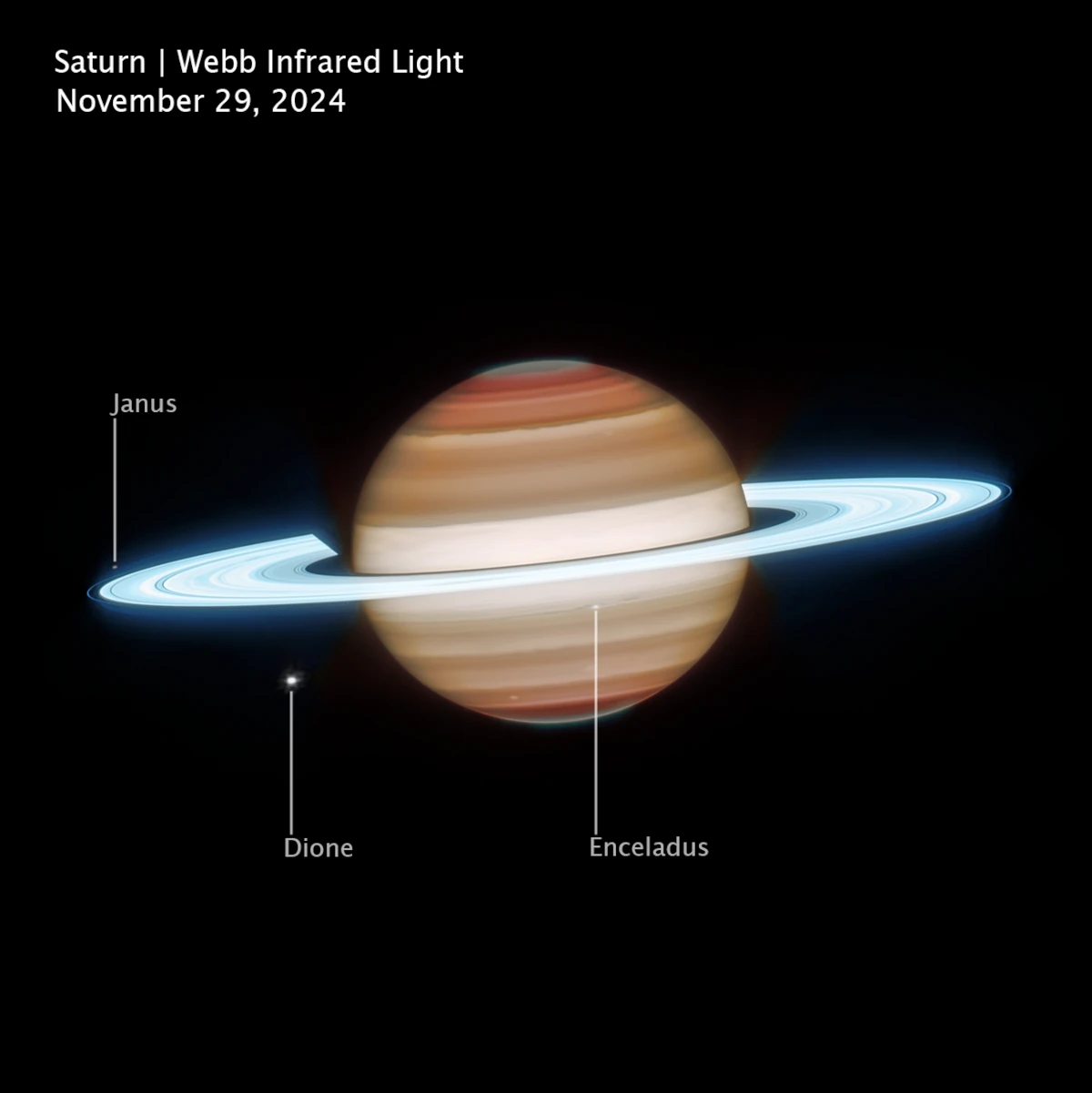
Webb Captures Saturn in Infrared
Saturn’s icy rings glow in this infrared view from NASA’s James Webb Space Telescope released on March 25, 2026. Combining this image with another that NASA’s Hubble Space Telescope captured – also released on the same day – provides scientists with a richer, more layered understanding of the gas giant’s atmosphere. In Webb’s infrared image, the rings are extremely bright because they…
Read More » -
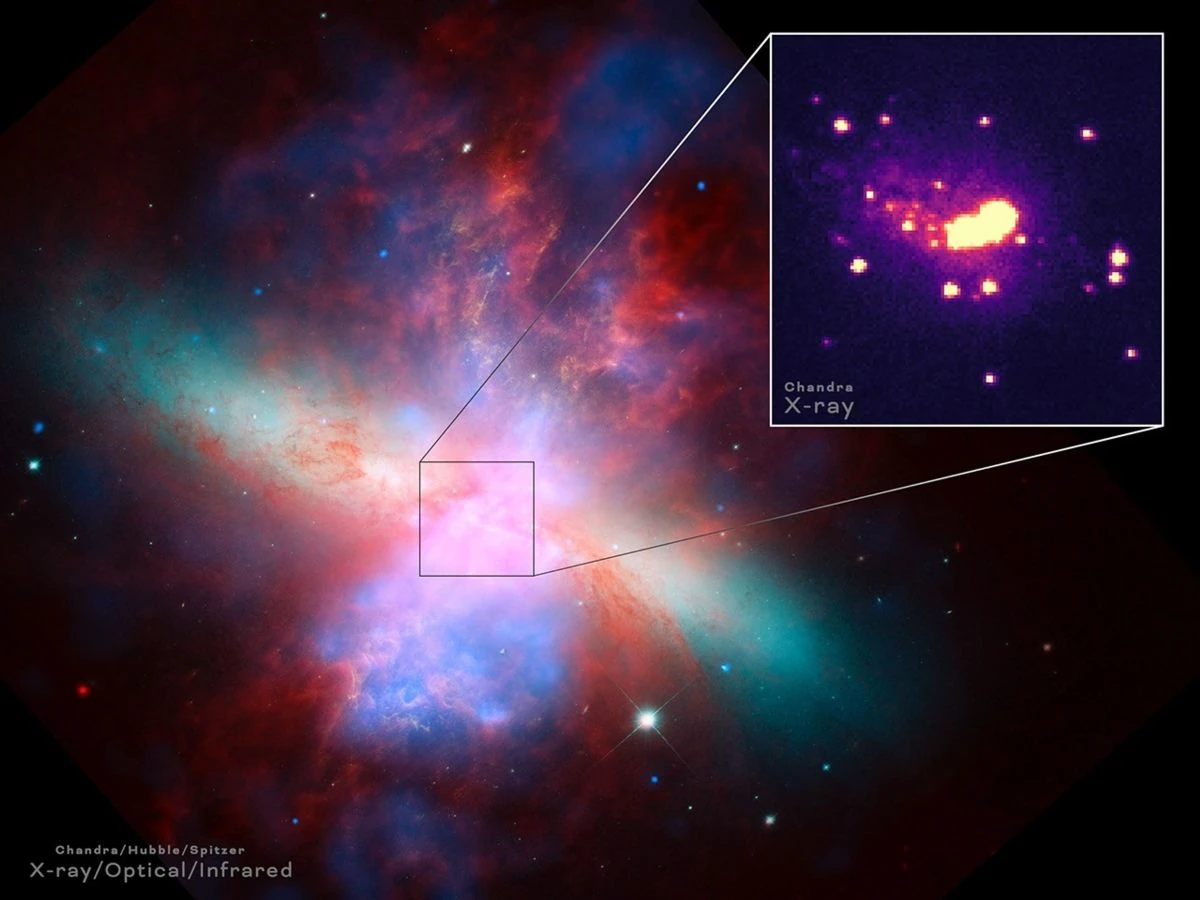
NASA-JAXA’s XRISM Telescope Clocks Hot Wind of Galaxy M82
For the first time, astronomers have directly measured the speed of superheated gas billowing from a cauldron of stellar activity at the heart of M82, a nearby galaxy undergoing an extraordinary burst of star formation. The material is moving more than 2 million miles (over 3 million kilometers) per hour and appears to be the primary force driving a cooler,…
Read More » -

NASA-ISRO Satellite Captures Pacific Northwest Through Clouds
Seattle and Portland, Oregon, are among the cloudiest cities in the United States. But that infamous cloud cover is no match for the U.S.-Indian Earth satellite NISAR (NASA-ISRO Synthetic Aperture Radar), which is designed to peer straight through clouds. Doing so allows scientists to study the Pacific Northwest’s natural landmarks and bustling port cities like never before. Comparing the highly…
Read More » -
Copernicus Trajectory Design and Optimization System
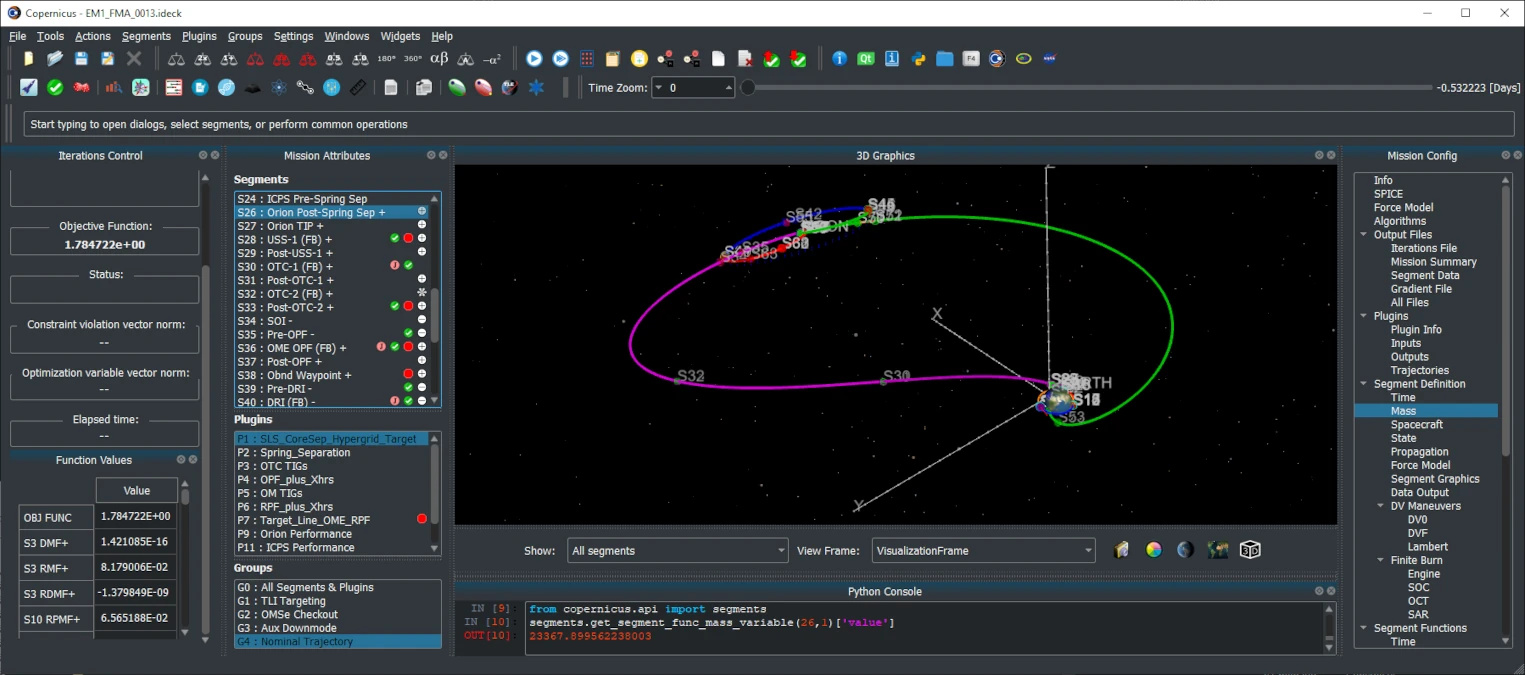
Copernicus, a generalized spacecraft trajectory design and optimization system, is capable of solving a wide range of trajectory problems such as planet or moon centered trajectories, libration point trajectories, planet-moon transfers and tours, and all types of interplanetary and asteroid/comet missions. Latest News March 23, 2024: Copernicus Version 5.4 is now available. This update includes numerous new features, enhancements, and bug fixes.…
Read More »