
NASA
-
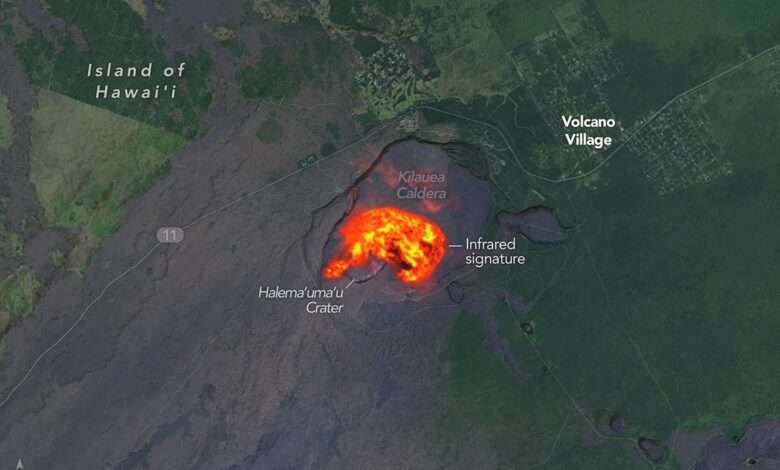
Restless Kīlauea Launches Lava and Ash
Kīlauea has entered its second year of episodic activity after reawakening in December 2024. Since then, the Hawaiian volcano has gone through dozens of bouts of lava fountaining, each lasting several hours to several days. Activity ramped up once again on March 10, 2026, for episode 43 of the eruption. From approximately 9 a.m. to 6 p.m. local time that day, lava spewed…
Read More » -
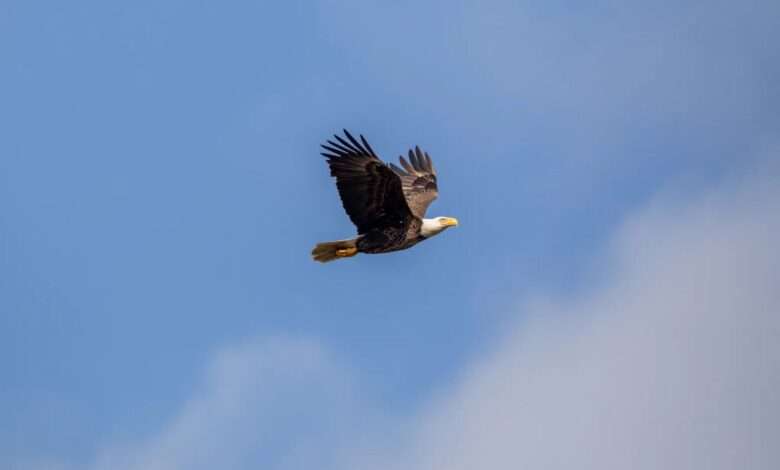
American Bald Eagle at NASA’s Kennedy Space Center
An American bald eagle flies away from its nest and tree at NASA’s Kennedy Space Center in Florida on Friday, March 13, 2026. Bald eagle nesting surveys across NASA Kennedy, Merritt Island National Wildlife Refuge, and Canaveral National Seashore are conducted annually to document the number of bald eagle active and inactive nests in support of wildlife management and regulatory…
Read More » -
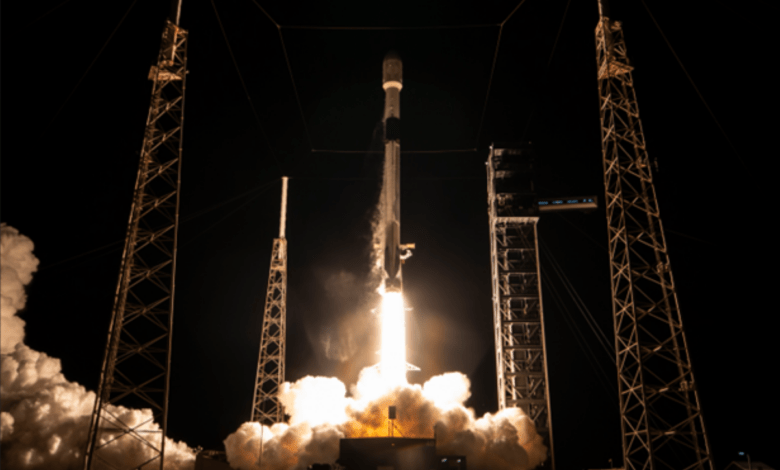
NASA Laser Reflecting Instrument Makes GPS Satellite More Accurate
A NASA laser reflecting technology that will aid Global Positioning System (GPS) accuracy is now operational as of March 9. The instrument, known as a laser retroreflector array, or LRA, launched aboard GPS III SV-09, the ninth of U.S. Space Force’s Block III Global Positioning System satellites, on Jan. 27. LRAs are sets of mirrors shaped like the corners of a…
Read More » -
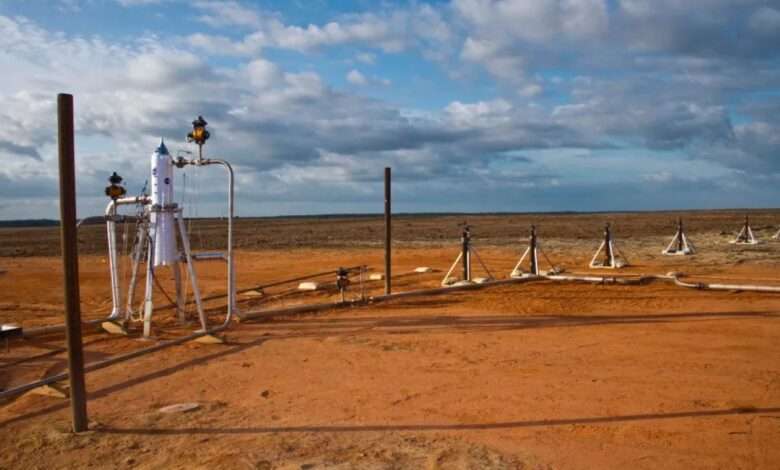
How NASA is Collecting Explosion Data for Next Generation Rockets
Commercial launch providers continue to advance propulsion technology with a renewed focus on liquid oxygen and methane propelled rockets and spacecraft. As systems grow in scale, carrying millions of pounds of propellant, so too does the responsibility to fully understand the safety profile. NASA has a proven ability to safely execute high-risk testing Joe Schuyler Director, NASA Stennis Engineering and…
Read More » -
NASA to Cover Progress 94 Spacecraft Launch, Space Station Docking
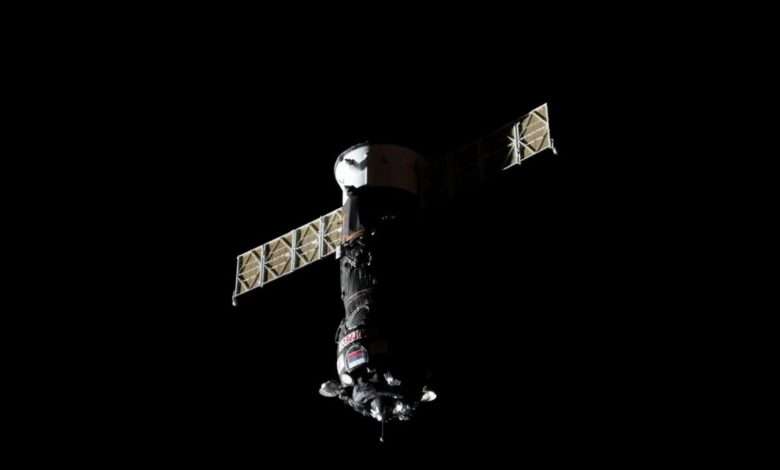
NASA will provide live coverage of the launch and docking of a Roscosmos cargo spacecraft carrying about three tons of food, fuel, and supplies for the crew aboard the International Space Station. The unpiloted Roscosmos Progress 94 resupply spacecraft is scheduled to launch at 7:59 a.m. EDT (4:59 p.m. Baikonur time) Sunday, March 22, on a Soyuz rocket from the…
Read More » -
Meet the Platypi: NASA’s Newest Astronaut Candidate Class
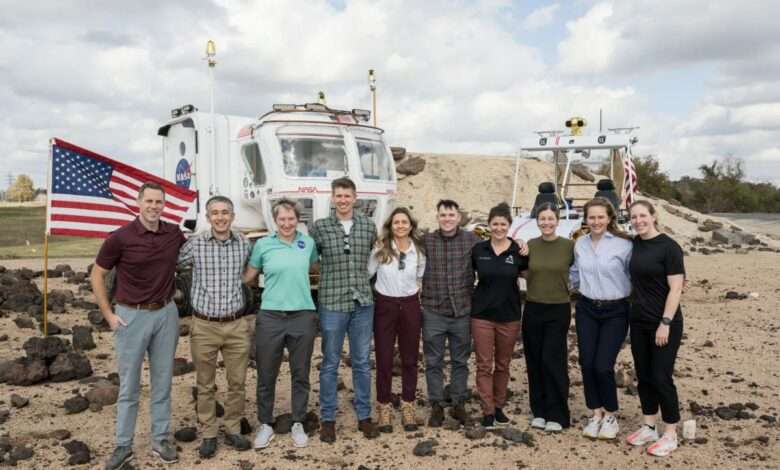
Ten explorers are currently training at NASA’s Johnson Space Center in Houston to become flight-eligible astronauts. Selected in 2025, the astronaut candidates are building the technical and operational skills needed for future missions to the International Space Station, the Moon, and eventually Mars. Now, NASA’s newest astronaut candidates have a class name: the Platypi. The 2025 Astronaut Candidate class in front of NASA’s…
Read More » -
NASA’s Roman Observatory Passes Final Major Prelaunch Tests
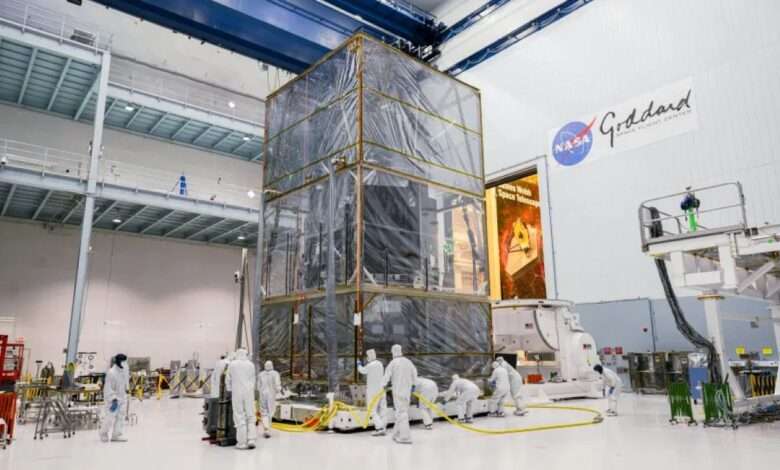
NASA’s Nancy Grace Roman Space Telescope team recently blasted the observatory with extreme sound, shook it, and listened to its electronic hum. Roman passed all three assessments, which aimed to confirm that the observatory will withstand launch conditions and function as expected in space. The achievement keeps the mission on track for launch as early as this fall. “All of…
Read More » -
Australia’s “Red Centre” Turns Green
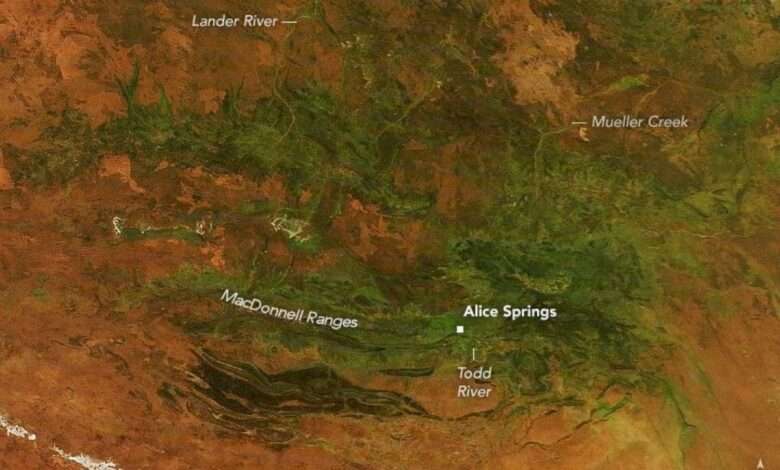
The town of Alice Springs lies near Australia’s geographic center, in a region often called the “Red Centre” for the rusty hue of its desert landscape. After weeks of heavy rainfall in February and March 2026, however, vast areas of desert and surrounding mountains turned lush and green. The MODIS (Moderate Resolution Imaging Spectroradiometer) on NASA’s Terra satellite captured this image (right) of the…
Read More » -
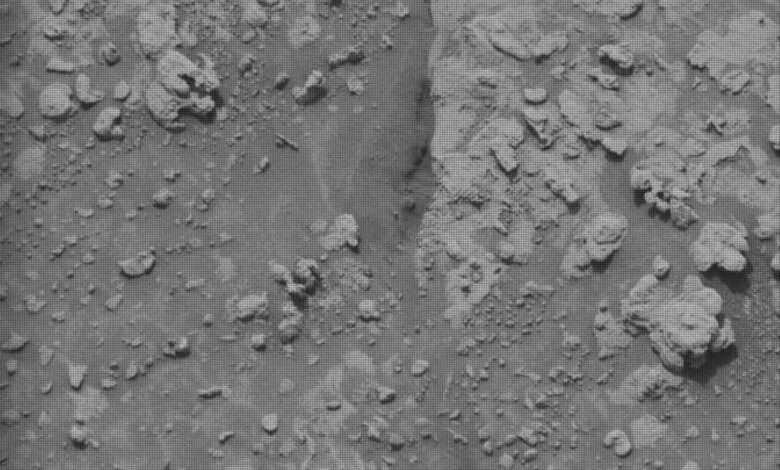
Curiosity Blog, Sols 4832–4837: Driving the (Contact) Line!
Written by Catherine O’Connell-Cooper, APXS Strategic Planner and Payload Uplink/Downlink Lead, University of New Brunswick, Canada Earth planning date: Friday, March 13, 2026 We are in our final phase of the boxwork campaign, investigating the contacts between the boxwork unit and the layered sulfate unit. As my colleague Bill reported here, last week we crossed out of the boxwork unit back into…
Read More » -
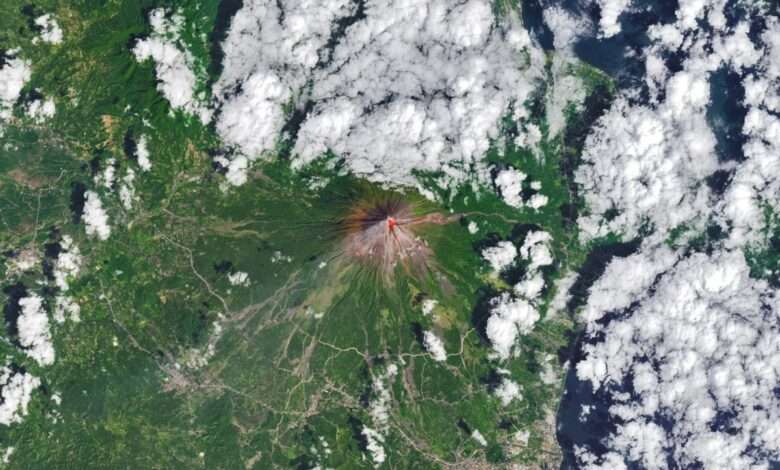
Lava Flows Down Mayon
The OLI (Operational Land Imager) on Landsat 8 acquired this rare, relatively clear image of Mayon, the most active volcano in the Philippines, on Feb. 26, 2026. The natural-color scene is overlaid with infrared observations to highlight the lava’s heat signature. On that day, the Philippine Institute of Volcanology and Seismology (PHIVOLCS) reported volcanic earthquakes, rockfalls, and hot clouds of ash and debris called pyroclastic flows. Along…
Read More »