
International Space Station
-
NASA
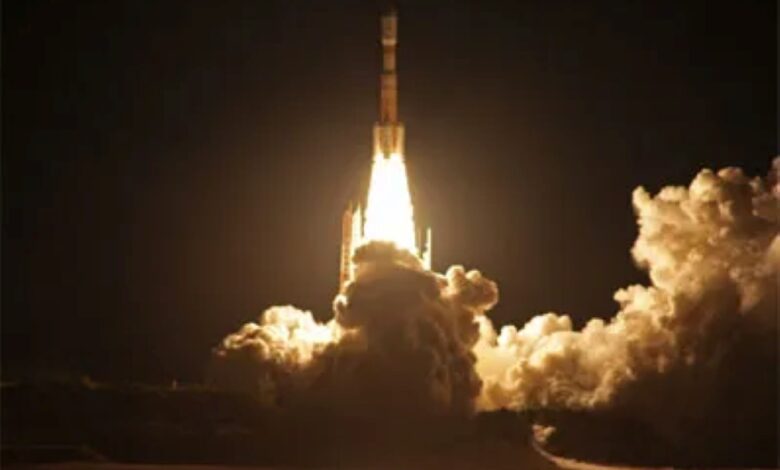
15 Years Ago: Japan launches HTV-1, its First Resupply Mission to the Space Station
On Sept. 10, 2009, the Japan Aerospace Exploration Agency (JAXA) launched its first cargo delivery spacecraft, the H-II Transfer Vehicle-1 (HTV-1), to the International Space Station. The HTV cargo vehicles, also called Kounotori, meaning white stork in Japanese, not only maintained the Japanese Experiment Module Kibo but also resupplied the space station in general with pressurized and unpressurized cargo and…
Read More » -
NASA
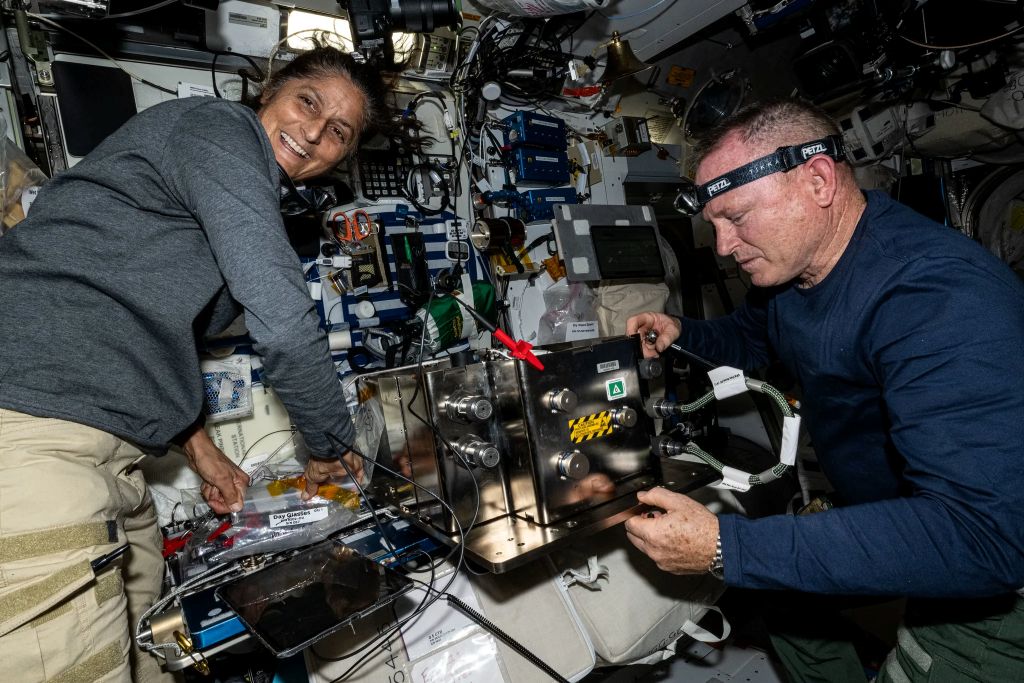
NASA Astronauts to Discuss Mission from Space Station
Media are invited to hear from NASA astronauts Butch Wilmore and Suni Williams during an Earth to space call at 2:15 p.m. EDT, Friday, Sept. 13. The pair will participate in a news conference aboard the International Space Station in low Earth orbit. Coverage of the event will stream on NASA+, the NASA app, and the agency’s website. Learn how to stream NASA content through…
Read More » -
NASA
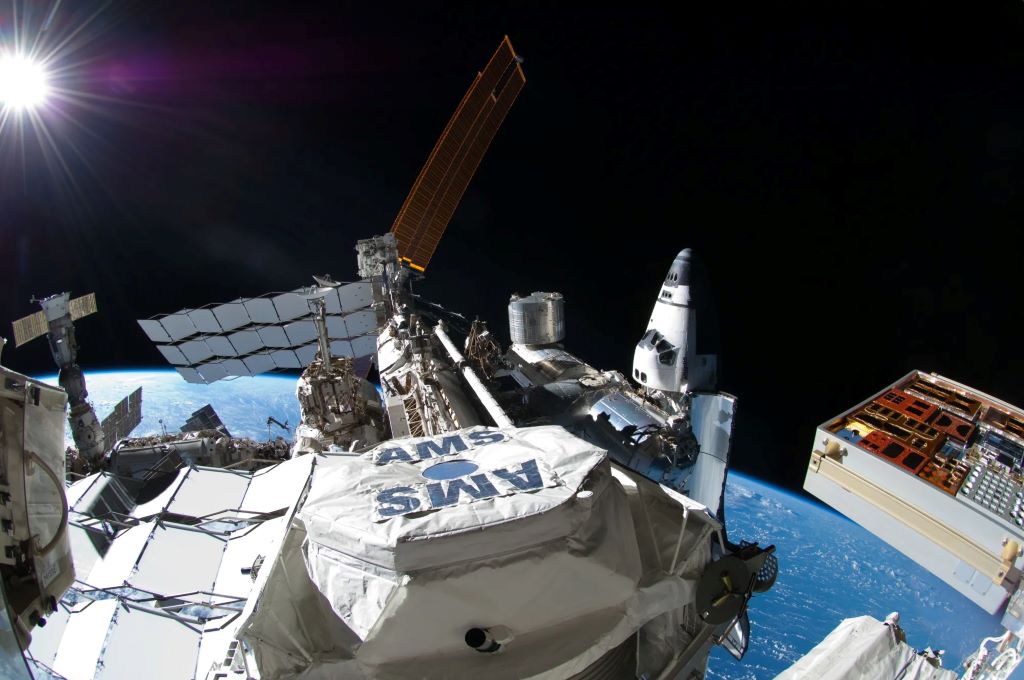
Space Station AMS-02 Instrument Works on the Mystery of Dark Matter
Visible matter in the form of stars and planets adds up to about five percent of the total known mass of the Universe. The rest is either dark matter, antimatter, or dark energy. The exact nature of these substances is unknown, but the International Space Station’s Alpha-Magnetic Spectrometer or AMS-02 is helping to solve the mystery. AMS-02 collects data on charged particles…
Read More » -
NASA

NASA Astronaut Don Pettit’s Science of Opportunity on Space Station
Science ideas are everywhere. Some of the greatest discoveries have come from tinkering and toying with new concepts and ideas. NASA astronaut Don Pettit is no stranger to inventing and discovering. During his previous missions, Pettit has contributed to advancements for human space exploration aboard the International Space Station resulting in several published scientific papers and breakthroughs. Pettit, accompanied by…
Read More » -
NASA
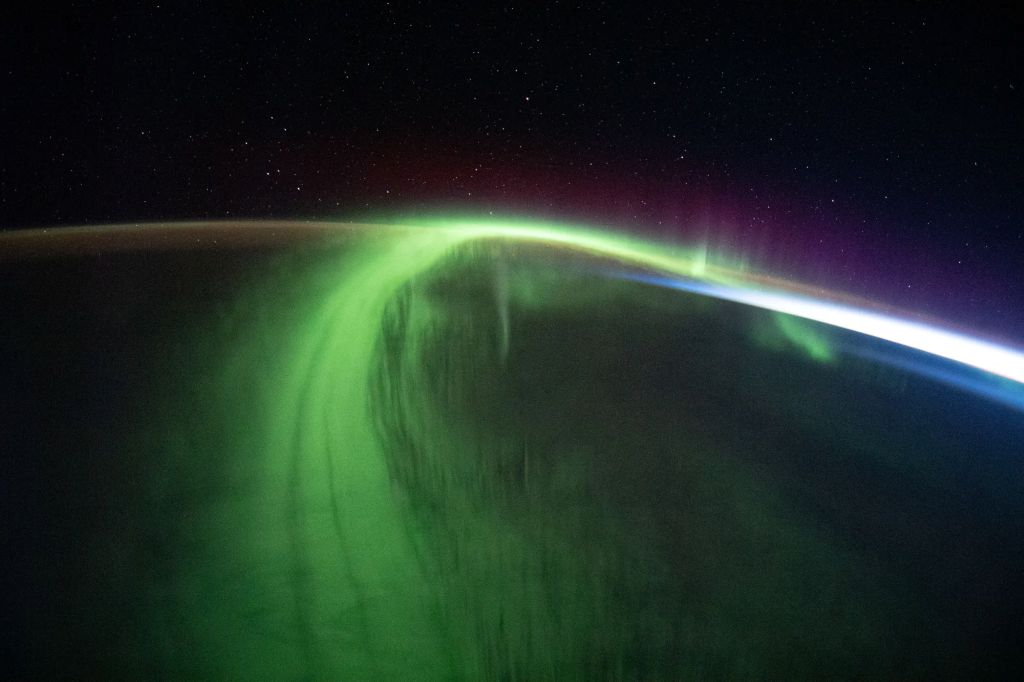
Great Aurora
A vivid aurora streams over the Earth as the International Space Station orbited 273 miles above the southern Indian Ocean in between Australia and Antarctica. Image Credit: NASA/Shane Kimbrough
Read More » -
NASA
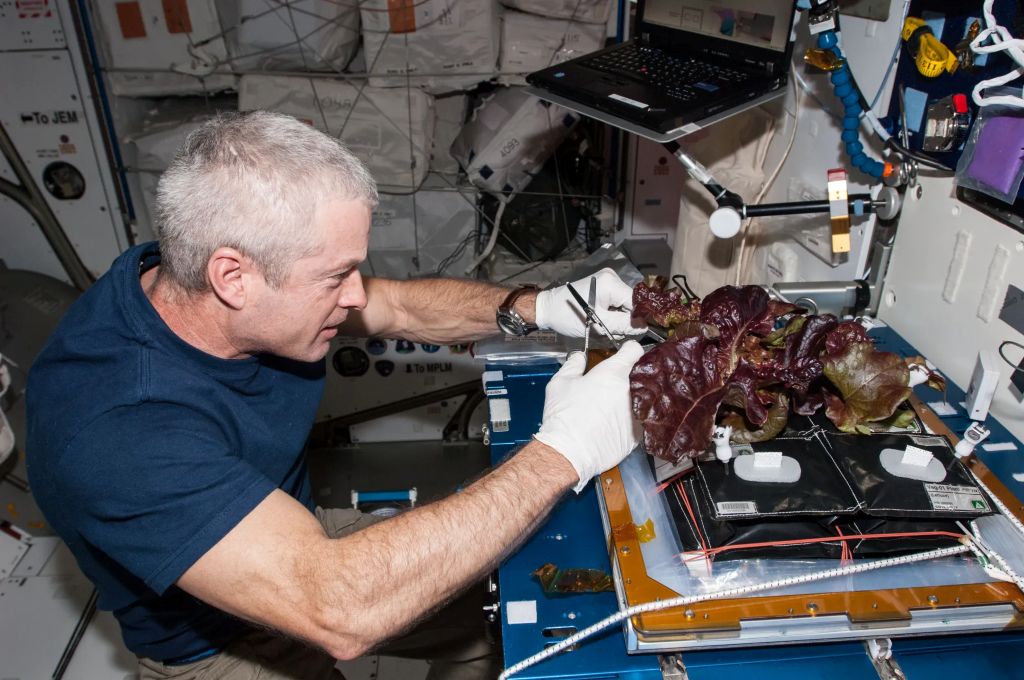
NASA Life Sciences Portal (NLSP)
The NASA Life Sciences Portal (NLSP) is the gateway to discovering and accessing all archive data from investigations sponsored by NASA’s Human Research Program (HRP). The HRP conducts research and develops technologies that allow humans to travel safely and productively in space. The Program uses evidence from data collected from astronauts, animals, and plants over many decades, and stored in several repositories…
Read More » -
NASA
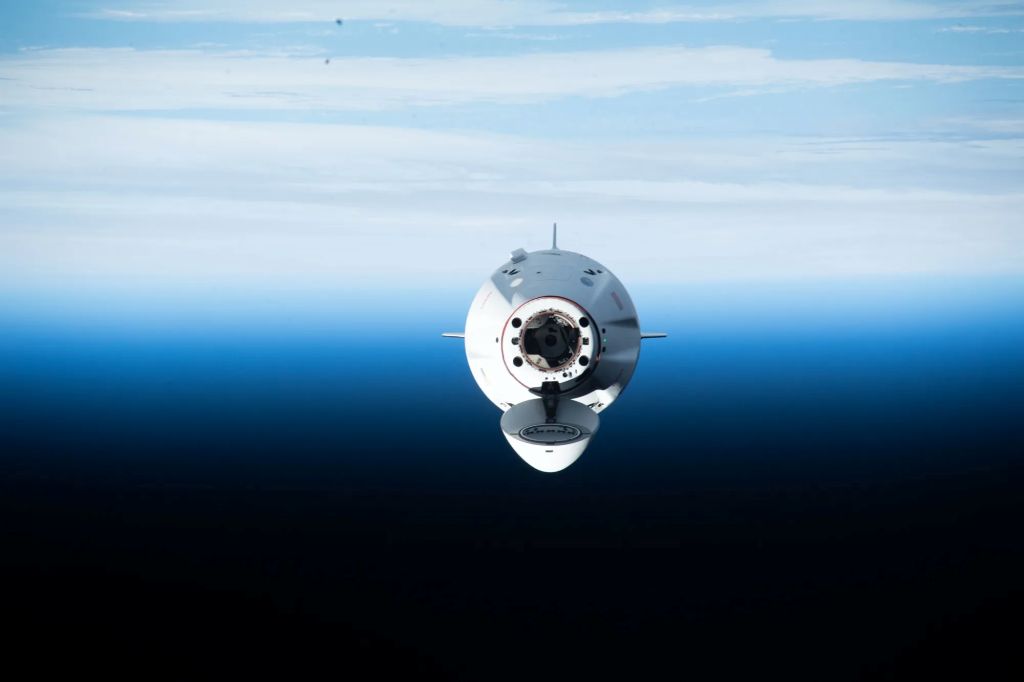
NASA, SpaceX Extend US Media Deadline for Crew-9 Launch to Station
NASA is extending U.S. media accreditation for the launch of the agency’s ninth rotational mission of a SpaceX Falcon 9 rocket and Dragon spacecraft that will carry astronauts to the International Space Station. This mission is part of NASA’s Commercial Crew Program. The application period for U.S. media and U.S. citizens representing international media organizations is extended until 11:59 p.m.…
Read More » -
NASA

15 Years Ago: STS-128 Delivers Cargo to Enable Six-Person Space Station Crew
On Aug. 28, 2009, space shuttle Discovery began its 37th trip into space. The 17A mission to the International Space Station was the 30th shuttle flight to the orbiting lab. During the 14-day mission, the seven-member STS-128 crew worked with Expedition 20, the first six-person crew aboard the station, during nine days of docked operations. In addition to completing a one-for-one long-duration…
Read More » -
NASA
Station Science Top News: August 23, 2024
Researchers successfully produced cellulose from bacteria cultured on the International Space Station for four weeks. The bacteria used in the experiment, K. hansenii, is known to produce the highest amount of cellulose and could be considered for large-scale production in microgravity to support the development of materials used in construction, clothing, and the supply of energy. Ice Cubes Experiment Cube #4, #5-…
Read More » -
NASA
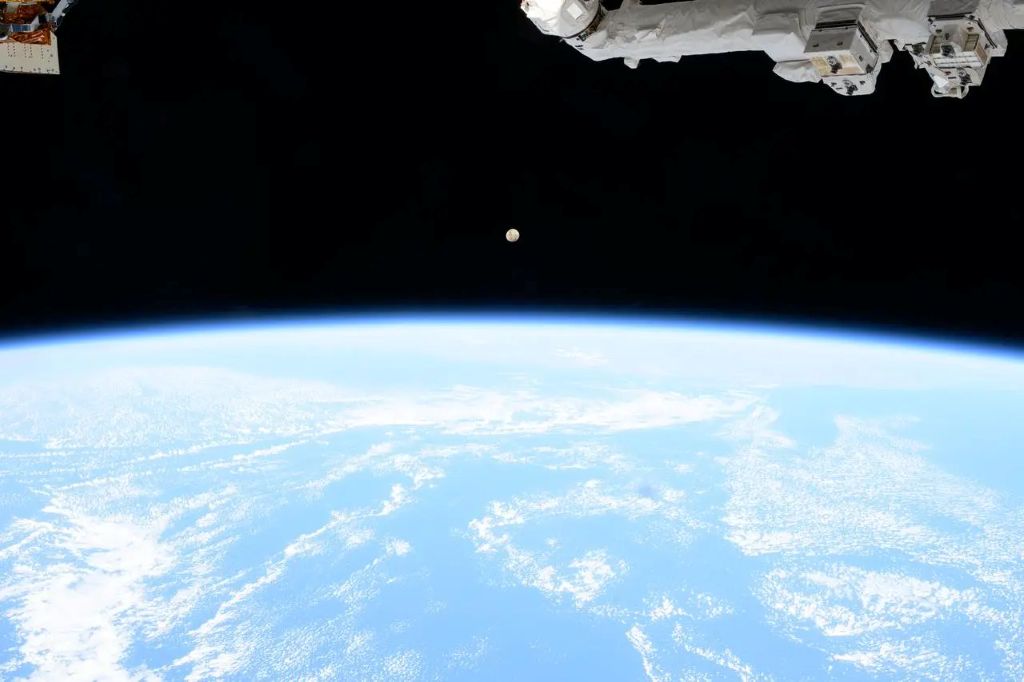
NASA Invites Public Input on Low Earth Orbit Microgravity Strategy
As NASA and its partners continue to conduct groundbreaking research aboard the International Space Station, the agency announced Monday it is seeking U.S. industry, academia, international partners, and other stakeholders’ feedback on newly developed goals and objectives that will help guide the next generation of human presence in low Earth orbit. “From the very beginning, NASA’s flagship human spaceflight programs…
Read More »