
NASA
-
NASA
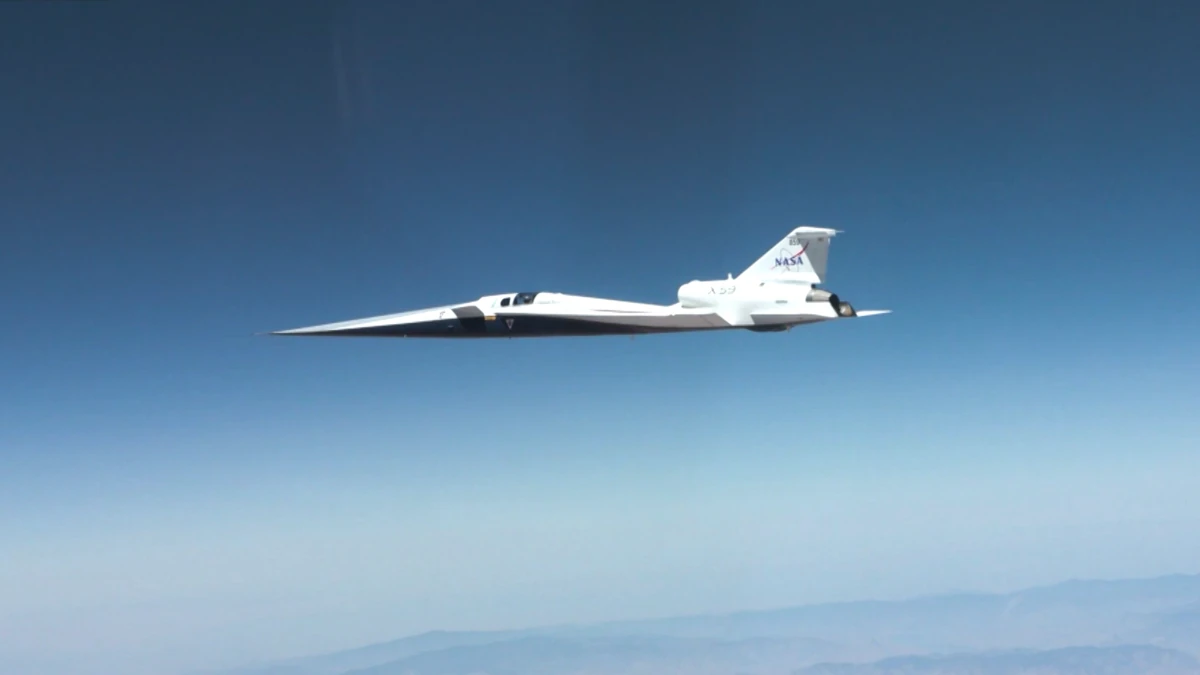
Supersonic!
On June 5, 2026, NASA’s experimental X-59 aircraft flew faster than the speed of sound for the first time, setting the stage for demonstrating its quiet supersonic capabilities later this year. NASA test pilot Jim “Clue” Less took off and landed at Edwards Air Force Base in California, reaching a top speed of approximately Mach 1.1 (713 mph). The flight lasted 81 minutes, with the team focusing on flying qualities at both subsonic and then supersonic speeds.…
Read More » -
NASA
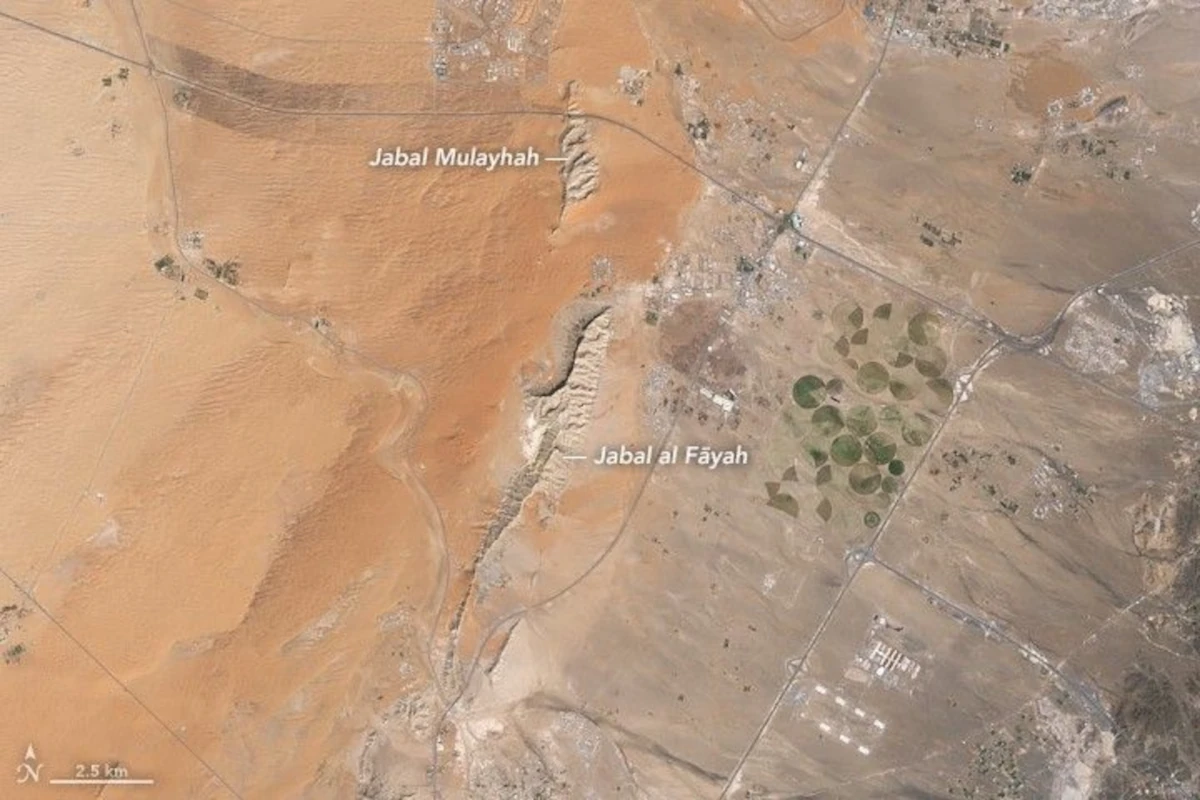
Digging Back in Time in the UAE
About an hour’s drive east of Dubai’s gleaming towers and artificial islands, a quieter, more natural landscape takes shape. At the far northern edge of the Rub’ al Khali, a saffron-colored sand sea laps against the Al-Hajar Mountains. A series of pale ridges rises finlike from the desert plain, with the largest—Jabal al Fāyah—standing 412 meters (1,352 feet) above sea level. The Landsat 8 satellite captured this…
Read More » -
NASA
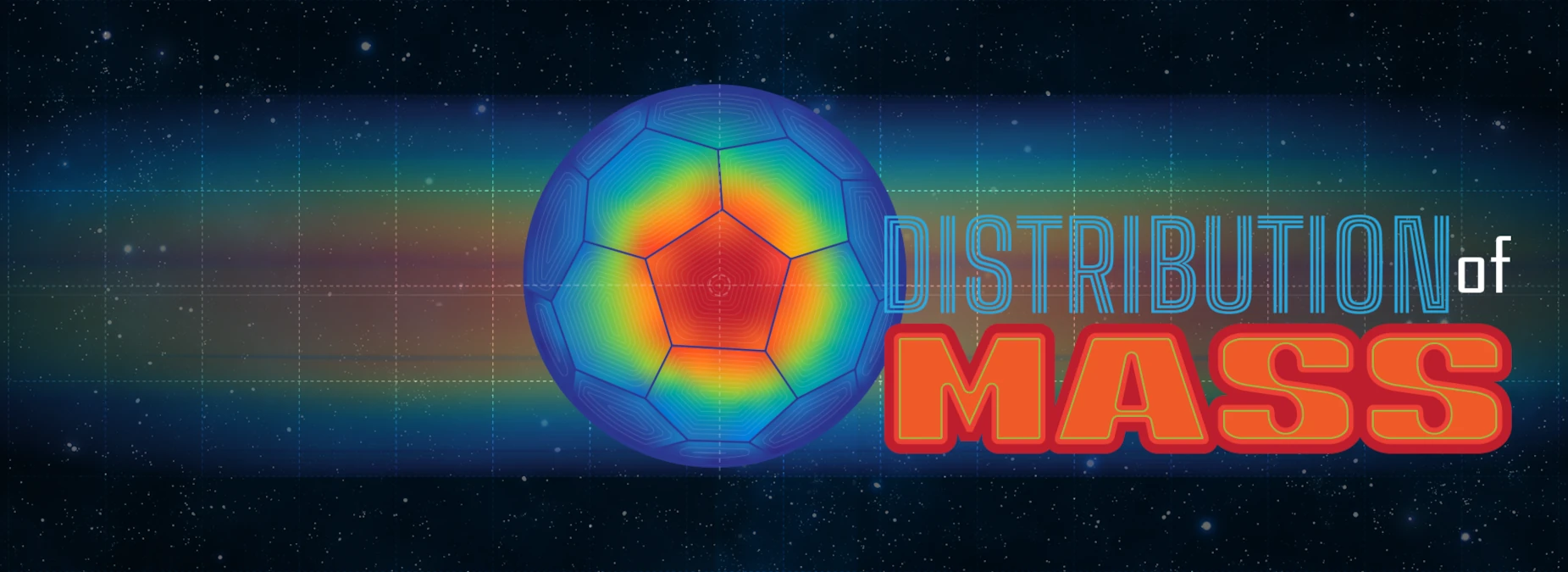
NASA Knows: What Is Mass Distribution?
This article is for students grades 5-8. Mass distribution affects everything from galaxy shapes to aircraft design to planetary rotation. It’s used to map stars in our universe, figure out what planets are made of, and even to determine how luggage is loaded onto an airplane. Mass distribution can be a tricky thing to understand. So, let’s explore it using an…
Read More » -
NASA
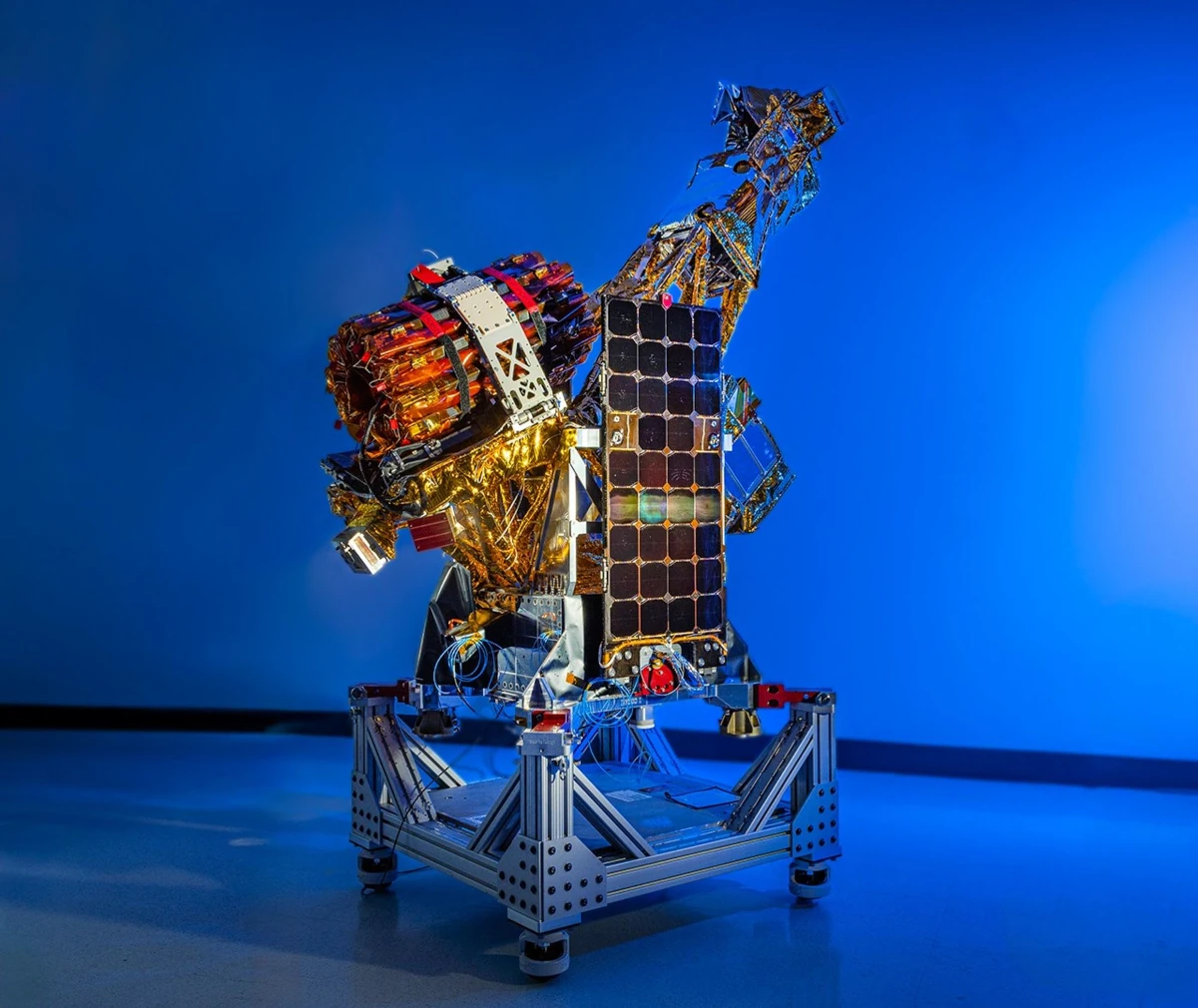
NASA’s INCUS Satellites Progress Toward Launch
Description One of the three satellites that make up NASA’s INCUS (Investigation of Convective Updrafts) mission sits on a fixture at the facilities of Blue Canyon Technologies in Lafayette, Colorado. The satellite completed testing in preparation for launch in late May 2026. The mission will make the first space-based survey of the dynamics of tropical convective storms. The three nearly…
Read More » -
NASA
The European Space Agency, on Behalf of the Czech Republic, Signs Agreement with Vast for a Private Astronaut Mission to the International Space Station in Partnership with NASA
Vast, the company developing next-generation space stations and space infrastructure, is partnering with the European Space Agency (ESA), on behalf of the Czech Republic, to send an astronaut to the International Space Station. This agreement builds on the memorandum of understanding that Vast, and the Czech Republic signed in 2024. Subject to Multilateral Crew Operations Panel (MCOP) review and approval, Aleš Svoboda,…
Read More » -
NASA
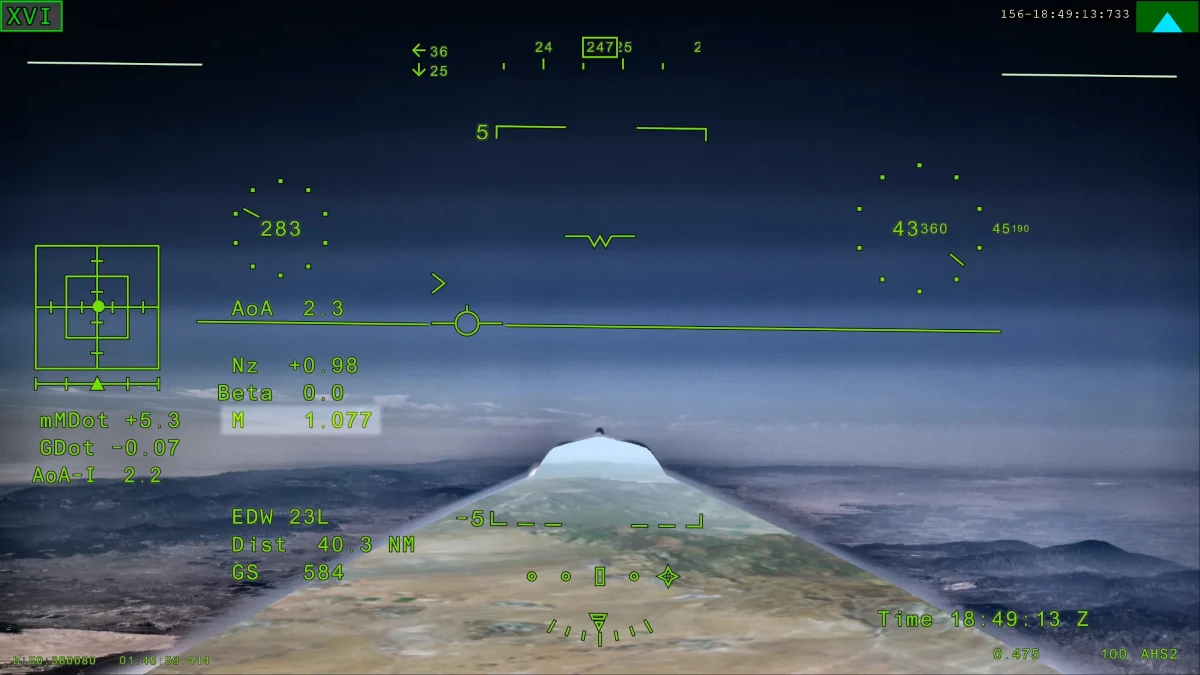
NASA’s X-59 Aircraft Flies Supersonic for First Time
NASA’s experimental X-59 aircraft marked a major milestone Friday, June 5, when it flew faster than the speed of sound for the first time, setting the stage for demonstrating its quiet supersonic capabilities later this year. NASA test pilot Jim “Clue” Less took off and landed at Edwards Air Force Base in California, reaching a top speed of approximately Mach 1.1 (713 mph) and altitude of 43,400 feet. The X-59’s flight began at 11:08 a.m. PDT and lasted 81 minutes, with the team focusing on flying qualities at both subsonic and then supersonic speeds. In the coming days,…
Read More » -
NASA
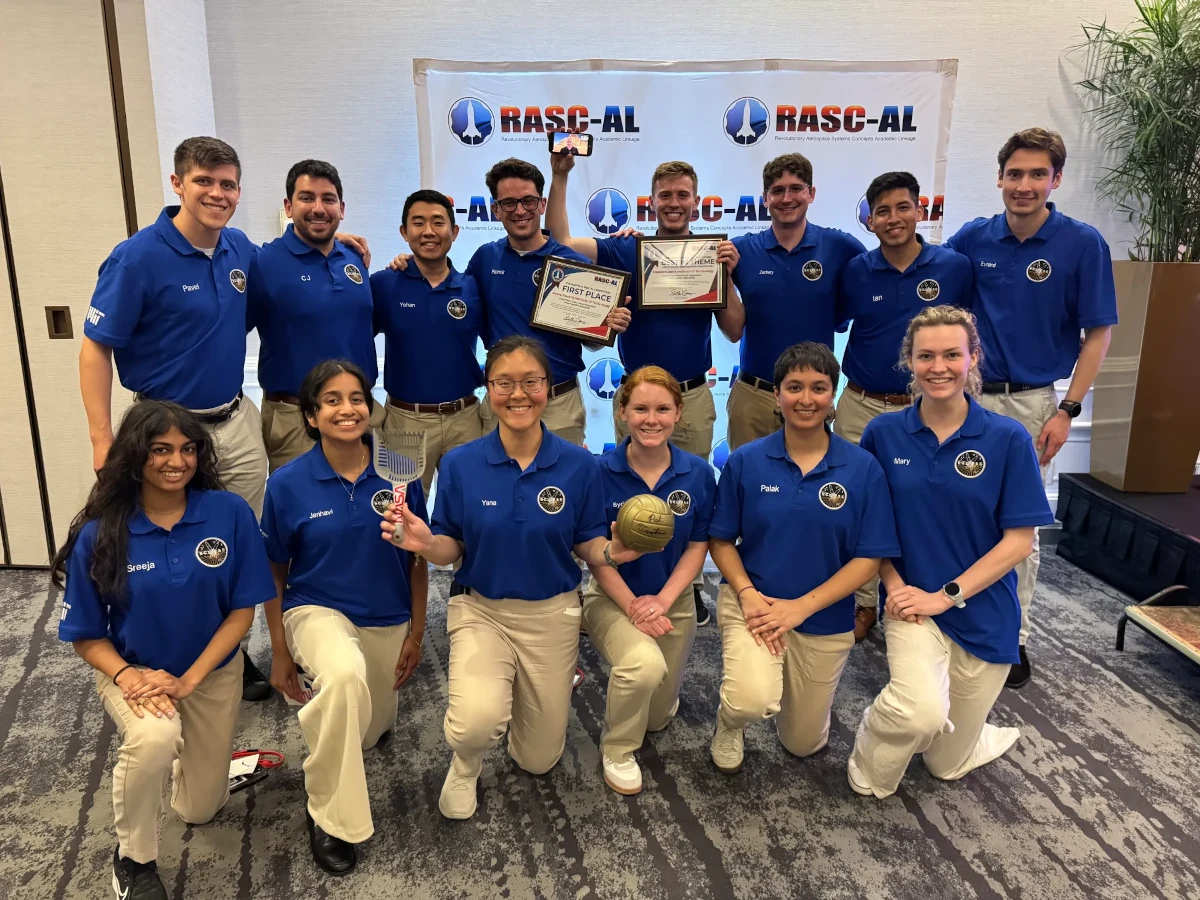
NASA Announces Winners of 2026 University Innovation Competition
NASA announced the Massachusetts Institute of Technology project, Exploration-Class Lunar Integrated Power SystEm, as the first place winner for the 2026 Revolutionary Aerospace Systems Concepts – Academic Linkage (RASC-AL) competition, which challenges students to bridge gaps in aerospace technology by innovating new system concepts and prototypes. Another team from the same university won second place overall for their project, Mars Exploration Layered Infrastructure for Operations, Research, and Advancement, while Virginia Polytechnic Institute and State University took third place with the Mars Pylon Network. Empowering the next…
Read More » -
NASA
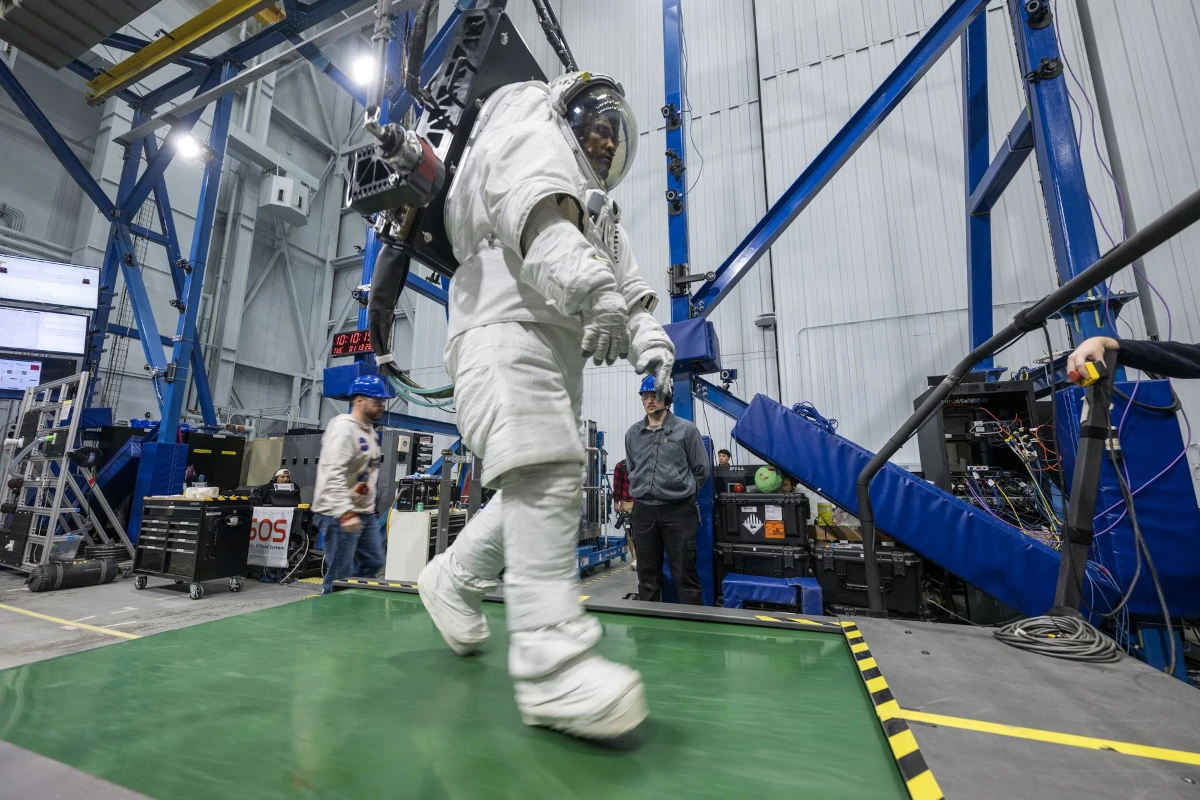
NASA’s Artemis II Moon Mission Research Continues on Earth
Since NASA’s Artemis II crew members safely splashed down in the Pacific Ocean on April 10 after their record-setting mission around the Moon, science teams have been busy collecting more data and combing through observations collected on the test flight. Results from these science investigations will help support safe human exploration of deep space and provide a blueprint for how…
Read More » -
NASA
NASA Satellites Help Map Ocean Nutrient Stress
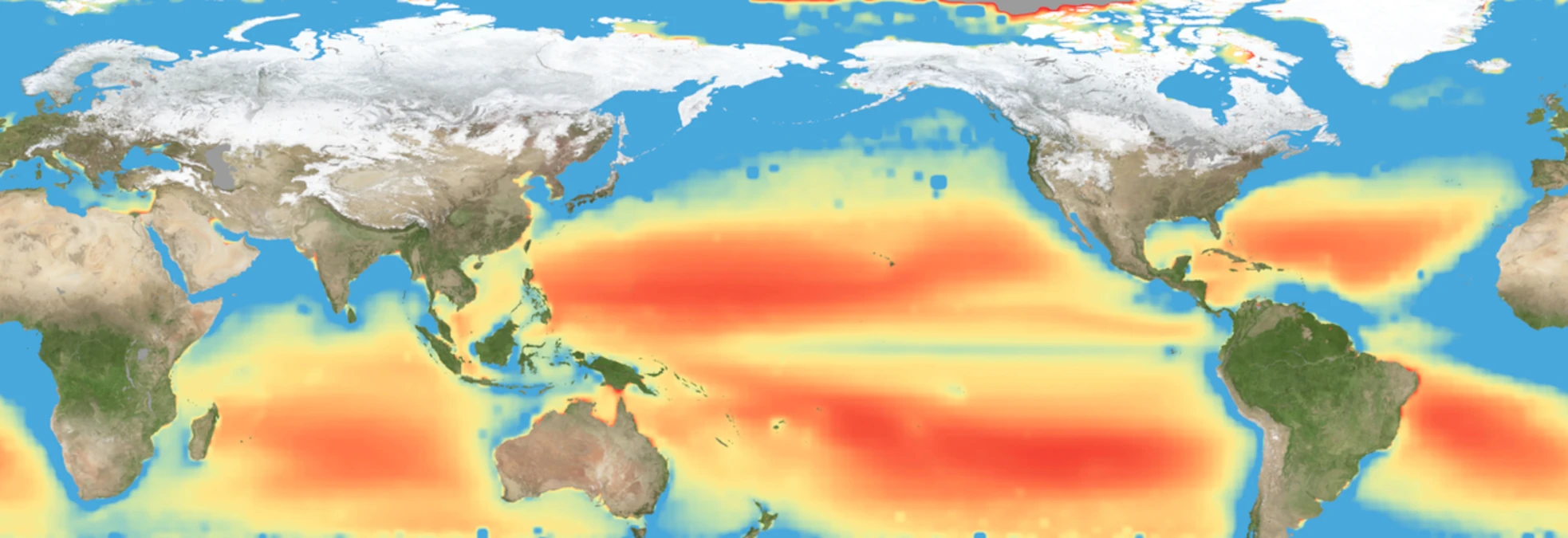
Editor’s note: This article was updated on June 5. A new study combining NASA satellite observations, ocean surveys, and genetic testing on marine microorganisms found evidence that warming ocean waters may be limiting nutrient availability across much of the global ocean. The researchers report that this nutrient stress affects microscopic marine organisms and could influence marine ecosystems over time. The…
Read More » -
NASA
NASA Concludes Antenna Mishap Investigation, Releases Report
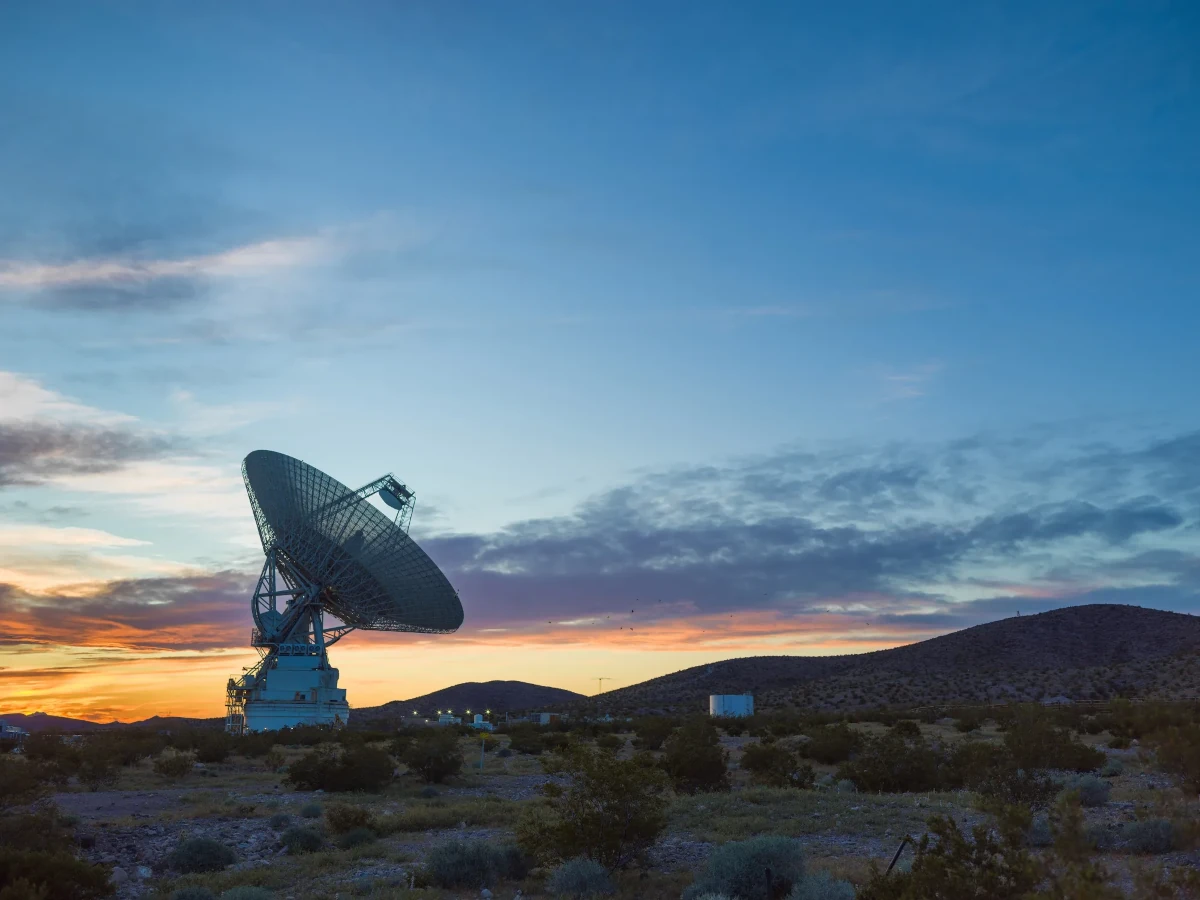
NASA has completed the investigation into the damage sustained last year at its 70-meter radio-frequency antenna, known as the Deep Space Station 14 (DSS-14), at the Goldstone Deep Space Communications Complex near Barstow, California. The agency has classified the event as a Type A mishap based on the total cost of damages. The antenna will remain offline to complete repairs…
Read More »