
NASA
-
NASA
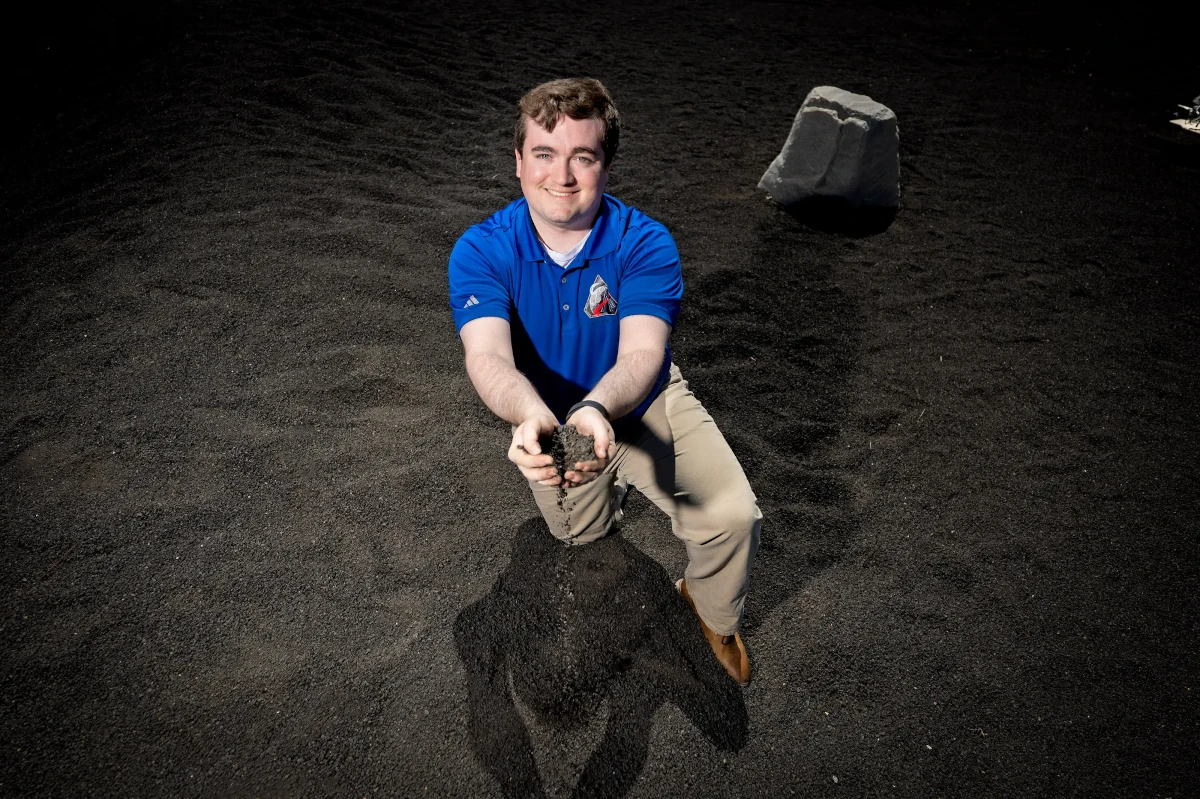
I Am Artemis: Daniel Stubbs
If you’ve driven through a cloud of dust and dirt that temporarily obscured your view, you’ve gotten a partial picture of a potential problem that NASA’s human landing systems for Artemis will face when they land on the Moon. Daniel Stubbs, an aerospace engineer with the Plume and Aero Environments team in the Spacecraft and Vehicle Systems office at NASA’s Marshall Space…
Read More » -
NASA
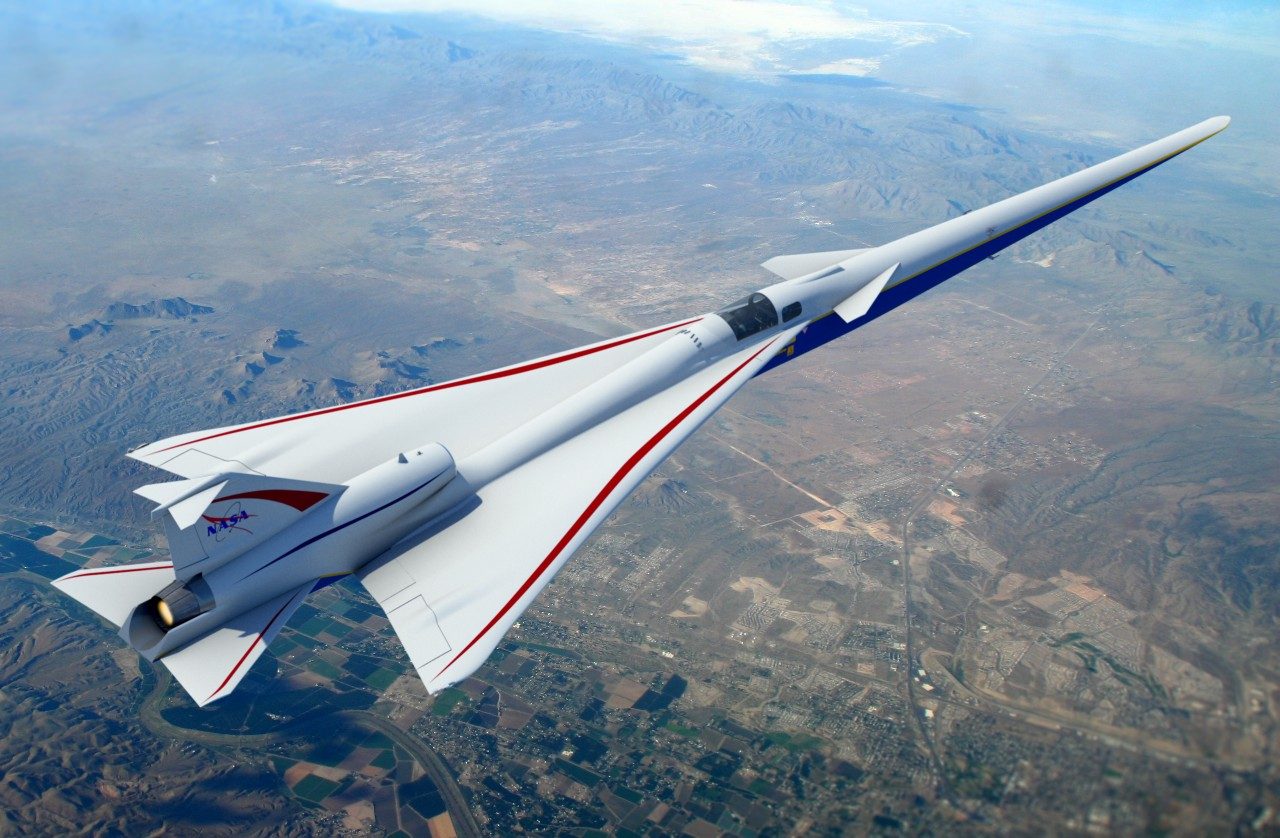
NASA’s X-59 Prepares for First Supersonic Flight
NASA’s X-59 quiet supersonic research aircraft is preparing for some of its most significant flights yet. The X-plane is about to begin a new block of test flights that will include its first time flying faster than the speed of sound and other mission-critical objectives. “What comes next is the first time this one-of-a-kind aircraft will fly supersonic,” said Cathy…
Read More » -
NASA
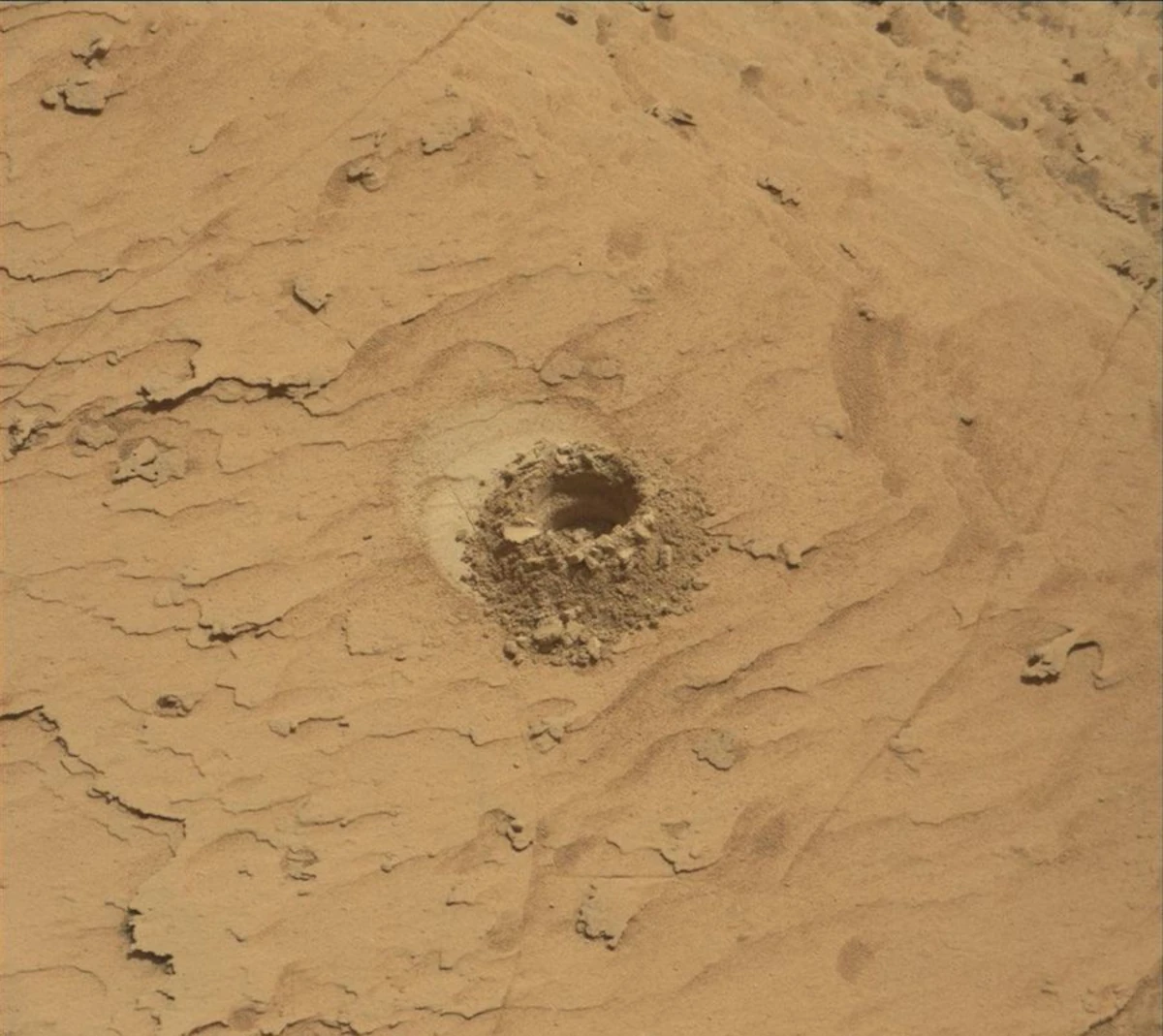
Curiosity Blog, Sols 4900-4907: Pasadena, We Have a Drill Sample!
Written by Abigail Fraeman, Deputy Project Scientist at Jet Propulsion Laboratory, California Institute of Technology Earth planning date: Friday, May 22, 2026 I spent this past weekend eagerly awaiting the downlink from Mars that would show us the results of Curiosity’s drill attempt at “Campo Marte.” A few weeks ago, when Curiosity drilled the “Atacama” block, it had been quite…
Read More » -
NASA
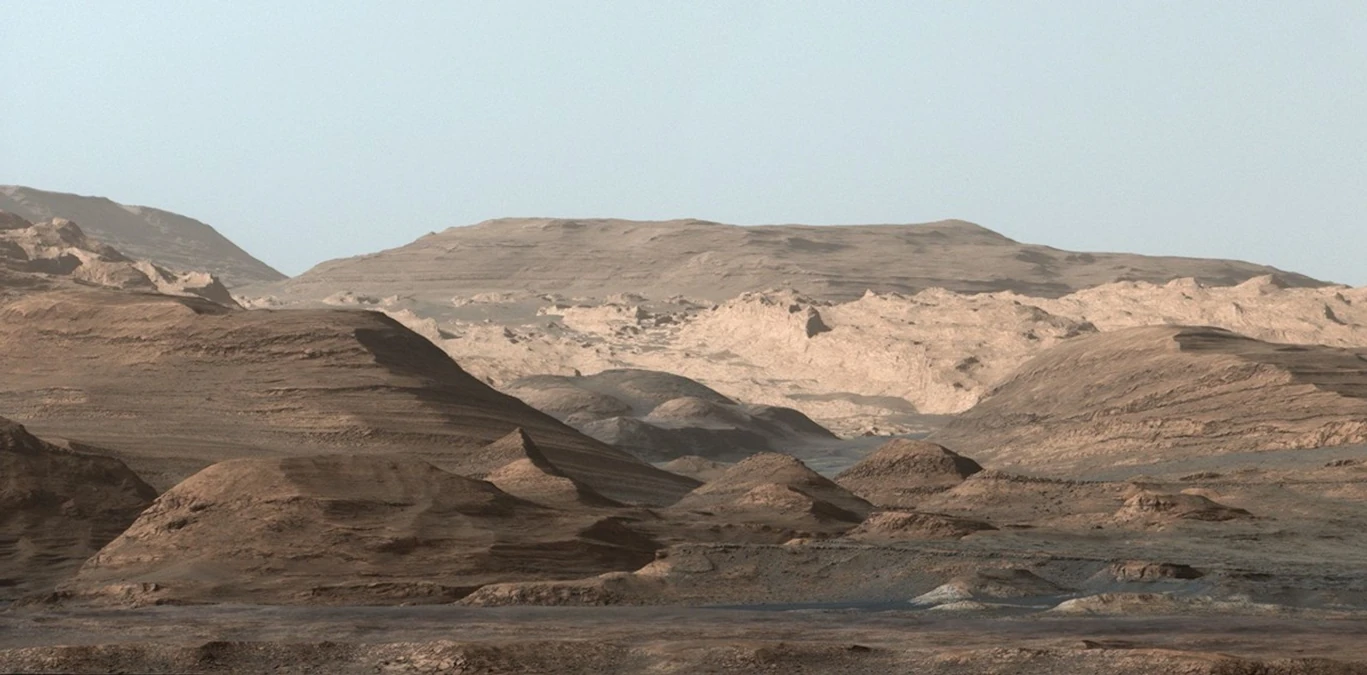
NASA Uses Mineralogical Marker to Understand Ancient Martian Climate
While NASA imagery has shown evidence of ancient rivers and lakes on Mars that transitioned to dry dunes, uncertainty remains over the timing of the environmental changes that may have contributed to these shifts. Now, data collected by NASA’s Curiosity rover has revealed that individual crystals in the iron oxide hematite can be used as a mineralogical marker of changes…
Read More » -
NASA
Contractor to Civil Servant: NASA Welcomes Kenny Heckle
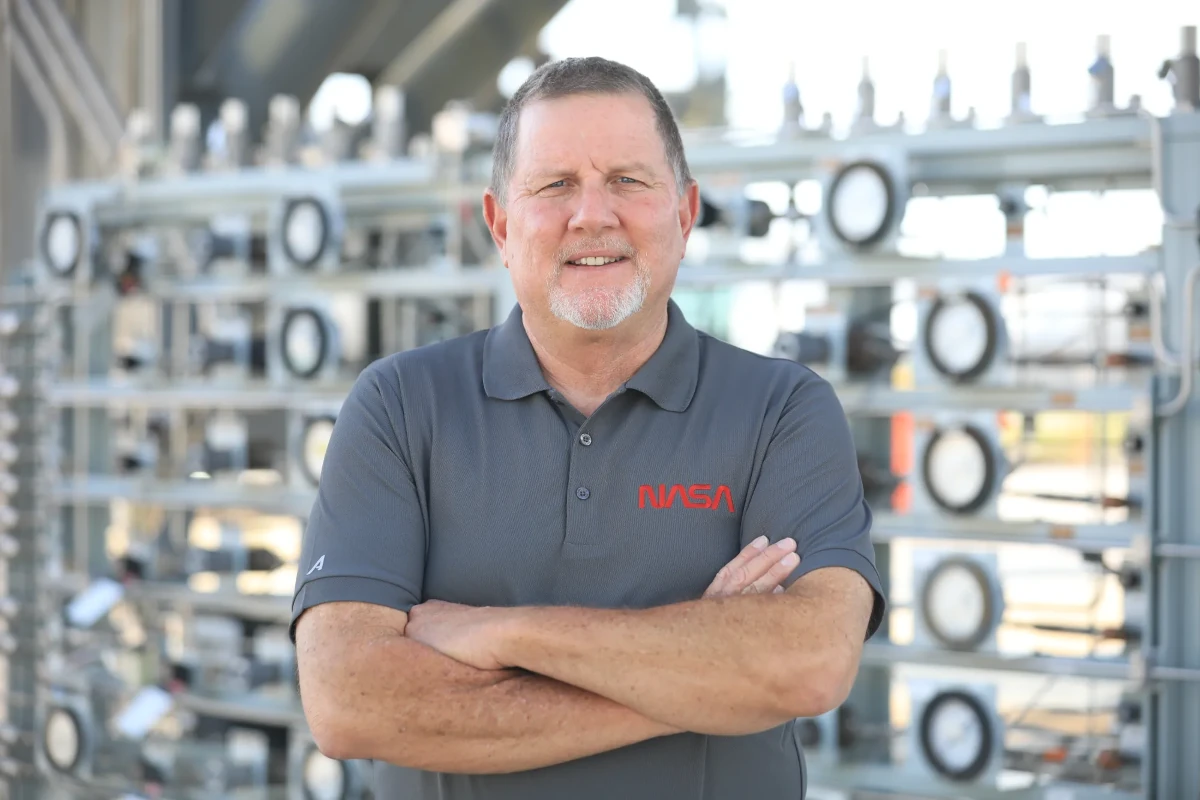
Kenny Heckle grew up in Orlando, just west of NASA’s Kennedy Space Center in Florida. An 80s child, he comes from a long line of union pipefitters and fabricators. Heckle recalls the day 42 years ago at KARS Park, which is a NASA Exchange–run recreation area for the agency’s workforce and their guests, when he attended an office party with…
Read More » -
NASA
NASA Astronaut Andrew Morgan Retires
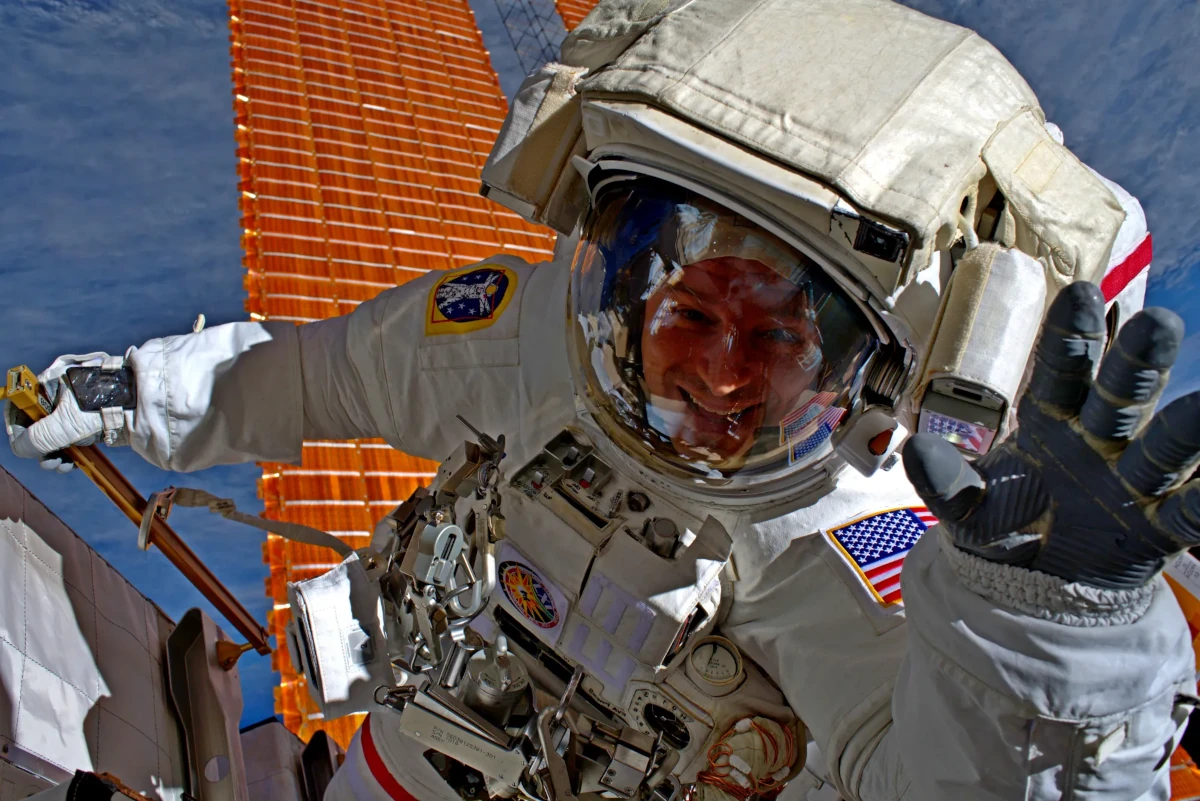
After a 12-year career at NASA, U.S. Army Brig. Gen. Andrew R. Morgan has retired from the agency to continue his military service. Morgan spent 272 days in space aboard the International Space Station. NASA selected Morgan to join its 21st astronaut class in August 2013. He launched to the space station aboard a Soyuz MS-13 spacecraft on July 20,…
Read More » -
NASA
Going Low and Slow in Testing
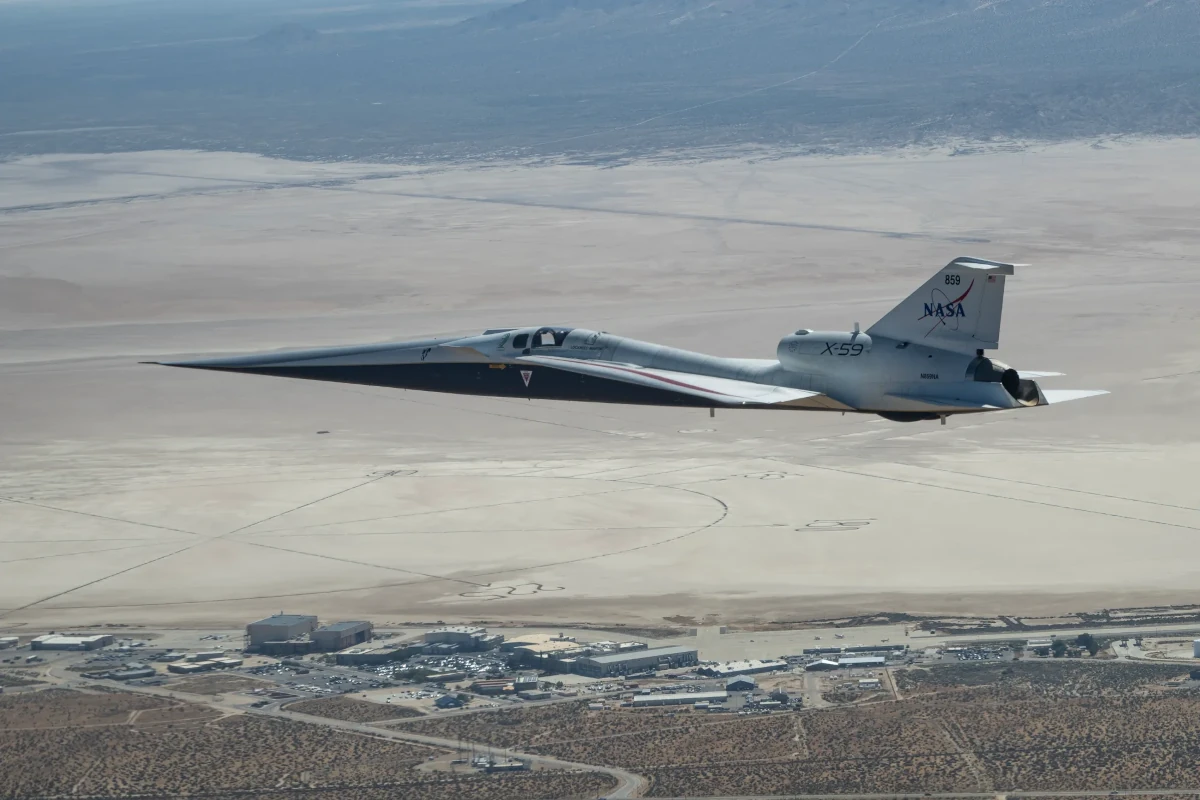
NASA’s X-59 quiet supersonic research aircraft flies above NASA’s Armstrong Flight Research Center in Edwards, California, on April 28, 2026, during testing focused on lower-speed and altitude flight conditions in support of NASA’s Quesst mission. The X-59 has completed initial test flights at high altitudes and near-supersonic speeds, opening the door for additional flights focused on its full operating range. These more…
Read More » -
NASA
NASA’s Roman Mission Preps to Unveil New Populations of Faraway Worlds
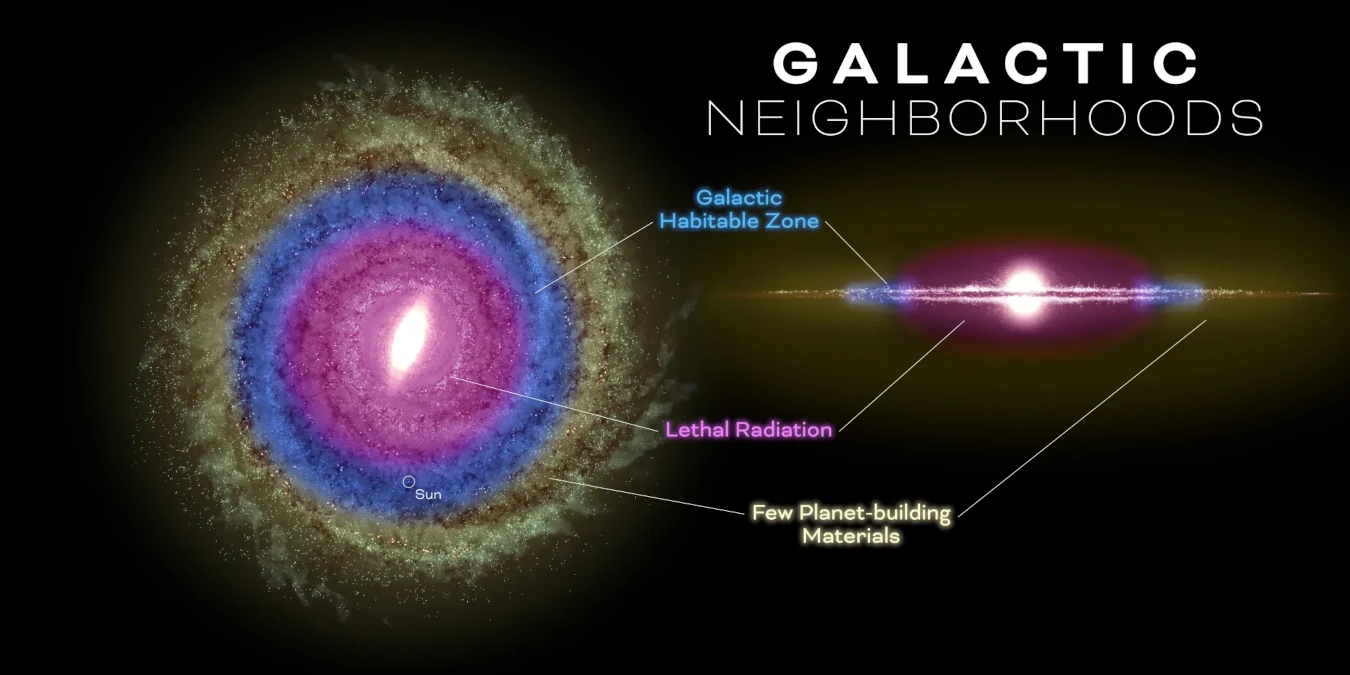
NASA’s Nancy Grace Roman Space Telescope is poised to make a major leap in the hunt for worlds outside our solar system, known as exoplanets. Scientists expect the mission to reveal around 100,000 worlds — a staggering leap compared to the nearly 6,300 found so far thanks to NASA missions working in tandem with other observatories. And Roman will primarily…
Read More » -
NASA
A Shift in What’s Shaping U.S. Landscapes
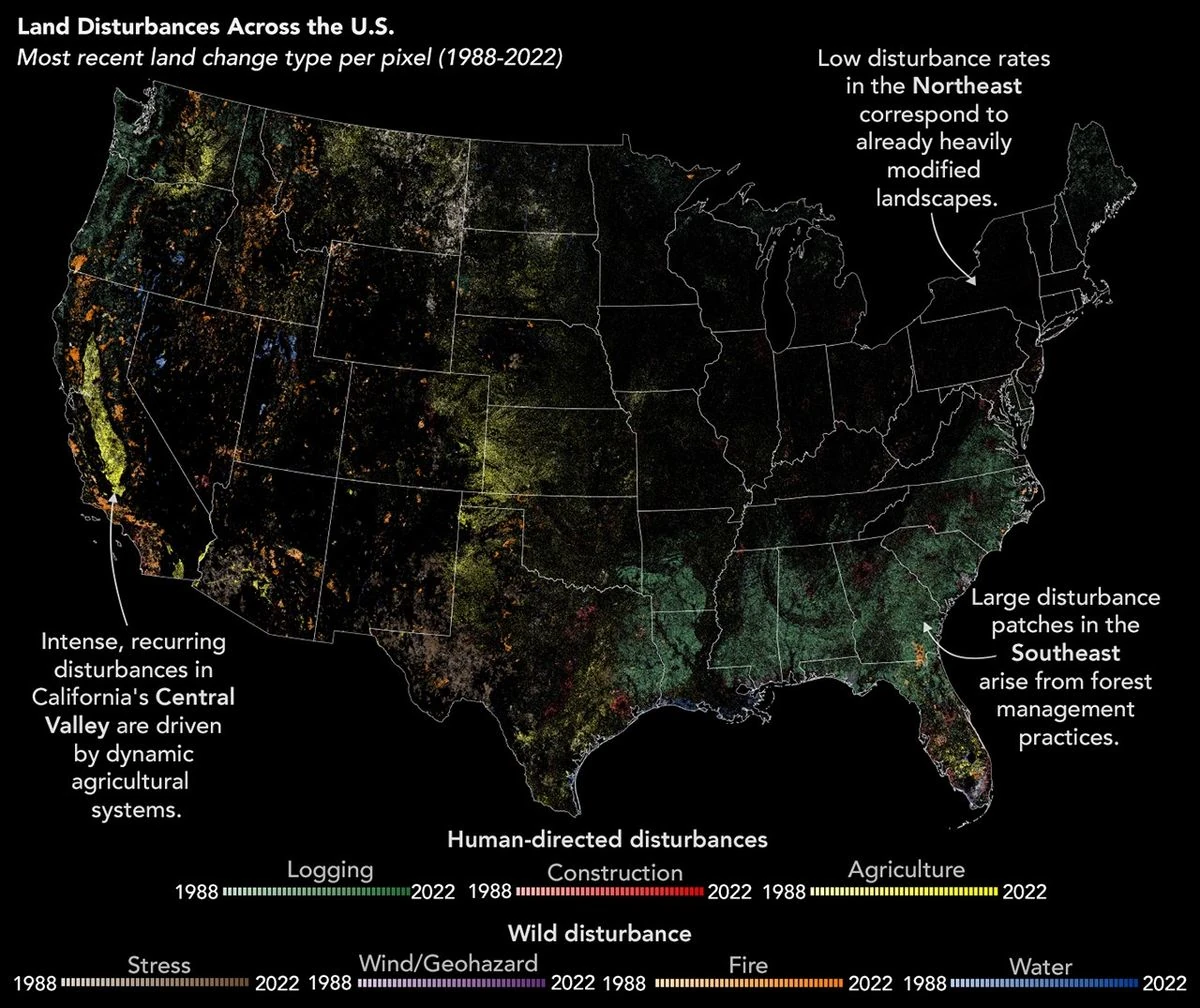
The land is always changing, sometimes by human hands: cities are built, farms expanded, and forests logged. Other changes lie mostly outside people’s control: wildfires burn through communities, and hurricanes reshape coastlines. For most of the past four decades, observations from the Landsat satellite record show that humans have dominated changes to the U.S. landscape. Recent research revealed a shift…
Read More » -
NASA
NASA Develops Sensor to Improve Firefighter Safety
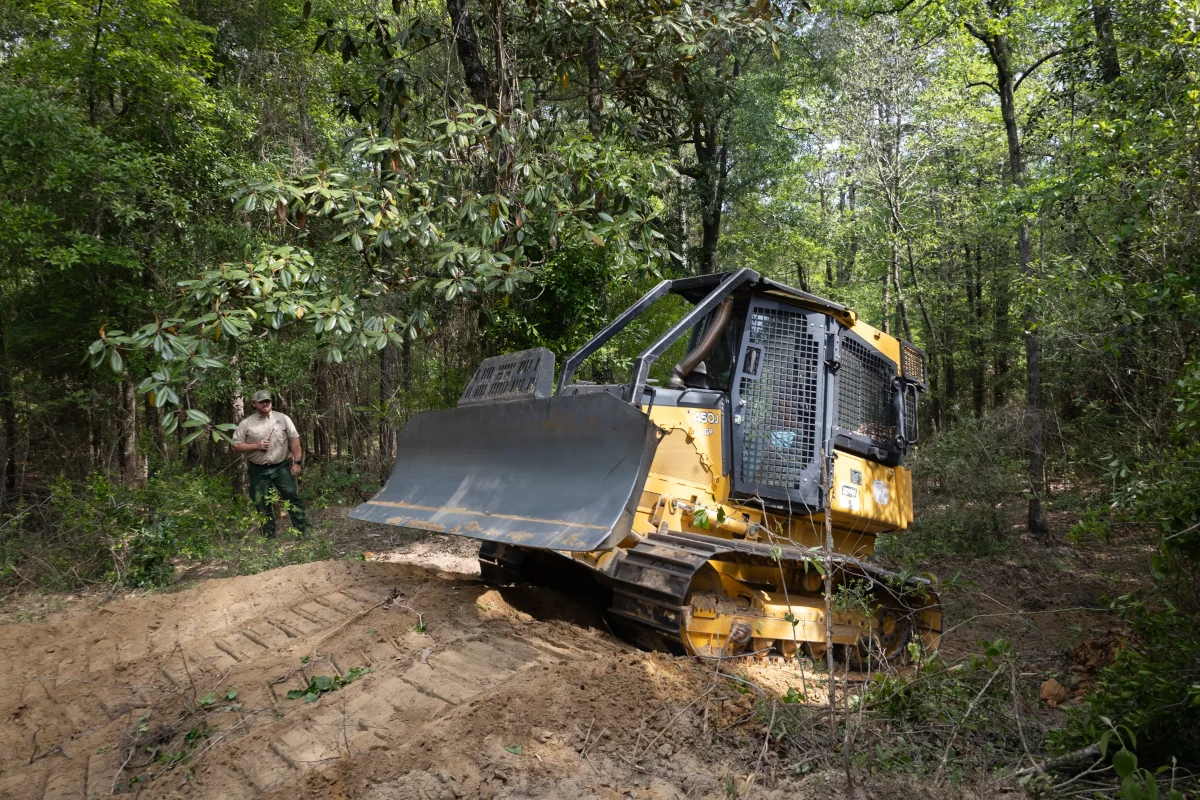
With peak wildfire season approaching, scientists with NASA’s FireSense project have created low-cost thermal sensors to install on fire bulldozers that will alert firefighters when heat from a nearby fire reaches a dangerous level. The sensors also provide researchers with important data on what happens beneath the canopy during a fire. In April, researchers and firefighters gathered in southern Alabama…
Read More »