
NASA
-
NASA
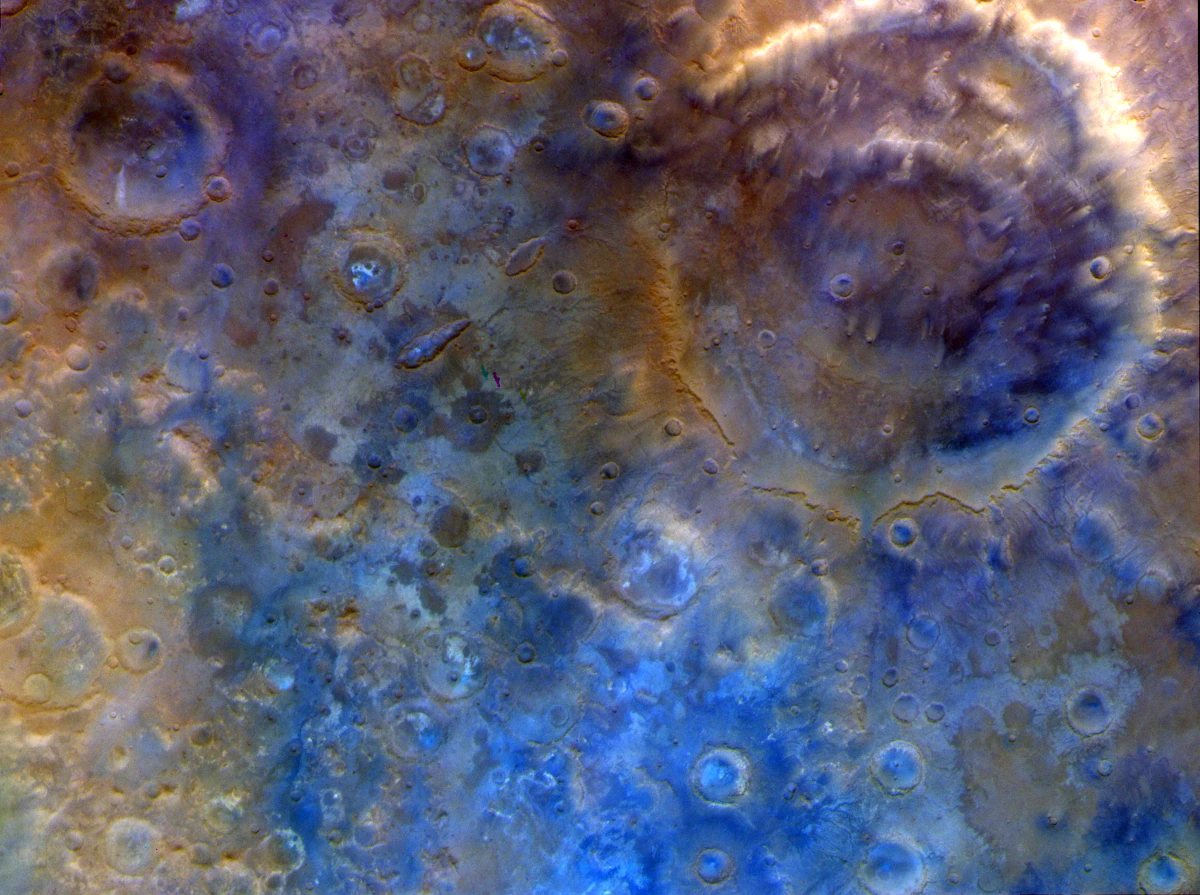
Psyche Spacecraft Completes Mars Flyby
NASA’s Psyche spacecraft completed its close approach of Mars on May 15, coming within 2,864 miles (4,609 kilometers) of the planet’s surface. During the flyby, it took this image and others. This representative color image, captured by Psyche’s multispectral imager instrument, features the double-ring crater Huygens and the surrounding heavily cratered southern highlands. This flyby used a gravity assist from Mars to…
Read More » -
NASA

NASA-developed AI Could Help Track Harmful Algae
NASA scientists have developed an artificial intelligence tool to take on a longstanding challenge in ocean waters. In a study recently published in AGU Earth and Space Science, researchers reported the tool was able to fuse data from multiple satellites and detect harmful algal blooms that occurred in western Florida and Southern California. Severe blooms can pose health risks and…
Read More » -
NASA
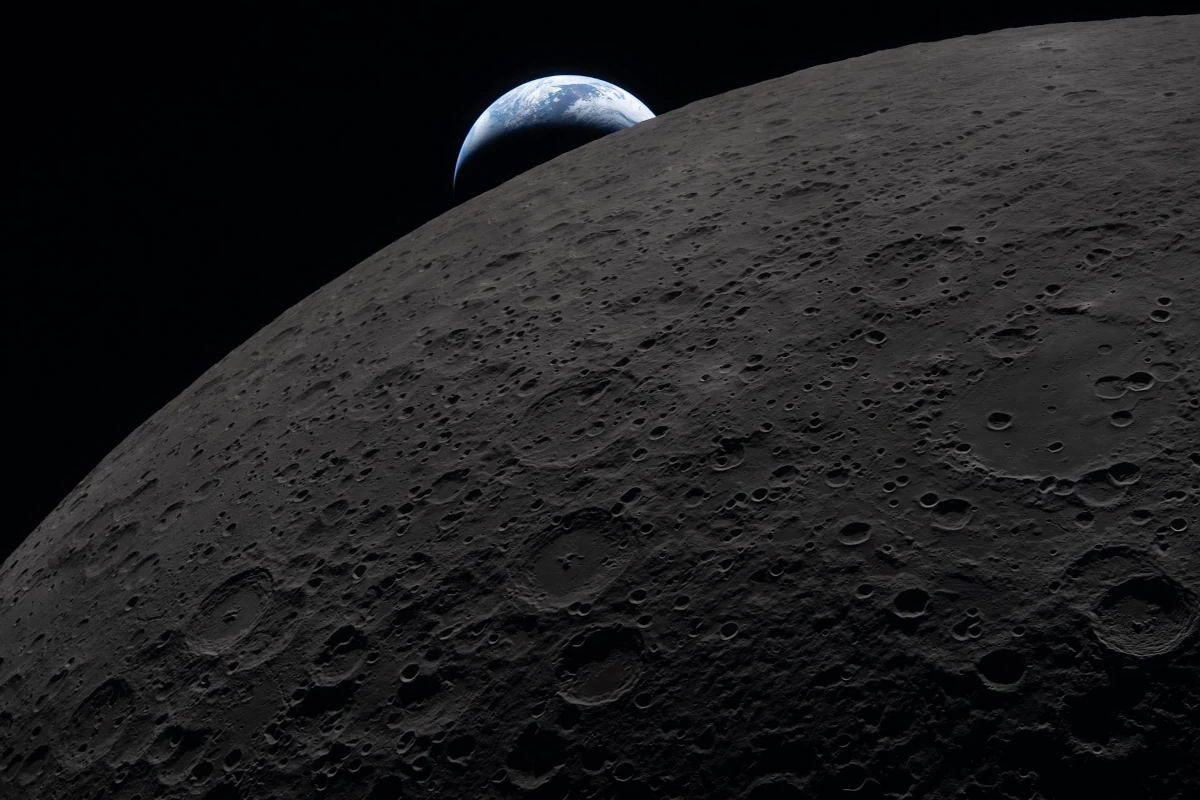
NASA Releases Technology Priorities to Energize Space Industry
NASA released the 2026 Civil Space Shortfall Ranking list on Wednesday, which integrates more than 400 responses from stakeholders including industry organizations, government agencies, and academia. Shortfalls refer to technology areas requiring further development to meet future exploration, science, and other mission needs. The goal of this document is to rank the space community’s most pervasive shortfalls to help guide NASA’s space technology development and…
Read More » -
NASA

I Am Artemis: Tim Goddard
At the end of their mission around the Moon, NASA’s Artemis II astronauts were recovered from their Orion spacecraft by a team of U.S. Navy divers and NASA personnel. This included Tim Goddard, NASA open water lead, who helped guide the complex open water recovery of both Orion and the crew members, once they safely splashed down in the Pacific…
Read More » -
NASA

NASA’s Fermi Glimpses Power Source of Supercharged Supernova
An international team studying data from NASA’s Fermi Gamma-ray Space Telescope concludes the mission detected a rare, unusually luminous supernova. The researchers say it likely received its power-up from a supermagnetized neutron star born in the stellar collapse that triggered the explosion. Gamma rays detected by NASA’s Fermi Gamma-ray Space Telescope gave scientists a look under the hood of a…
Read More » -
NASA
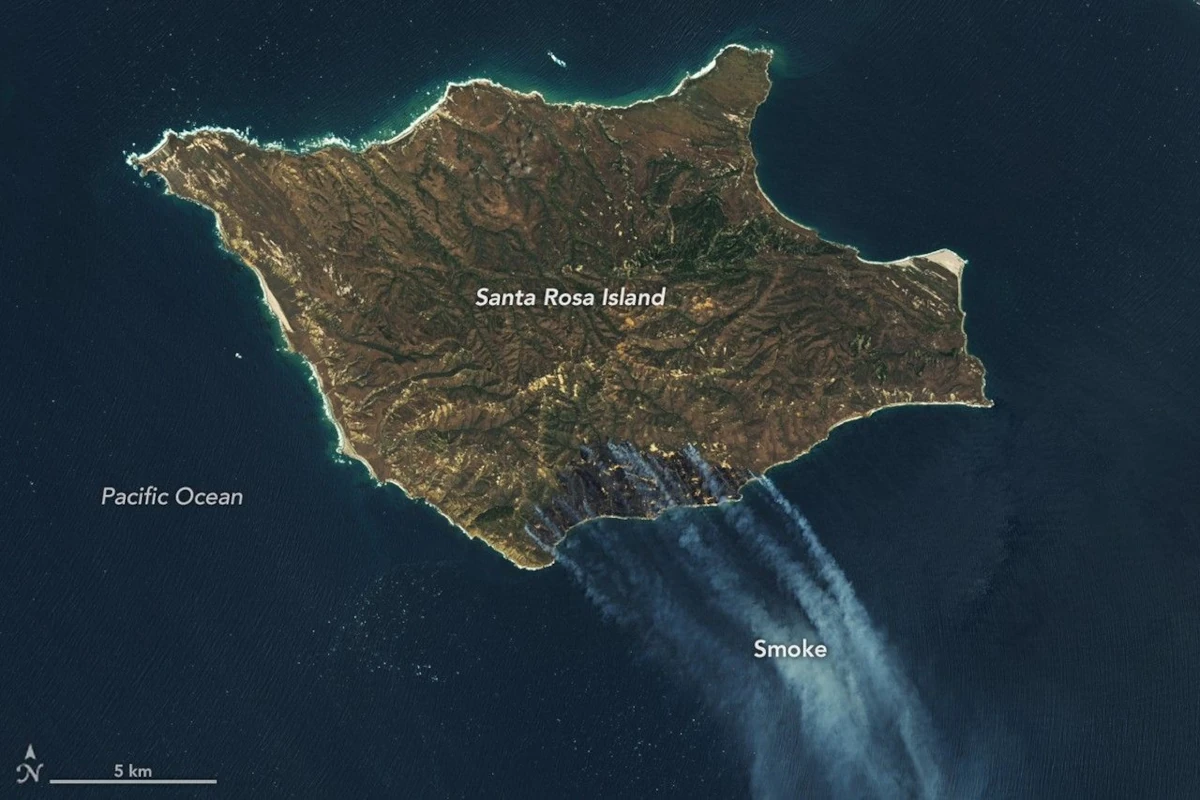
Fire Chars Santa Rosa Island
Channel Islands National Park, a chain of five ecologically rich islands off the coast of mainland California, is known for its diversity of plant and animal species, earning it the nickname “North America’s Galapagos.” For part of May 2026, Santa Rosa Island—the park’s second-largest island—was closed to the public as firefighters worked to contain a wildland fire burning through grassland,…
Read More » -
NASA
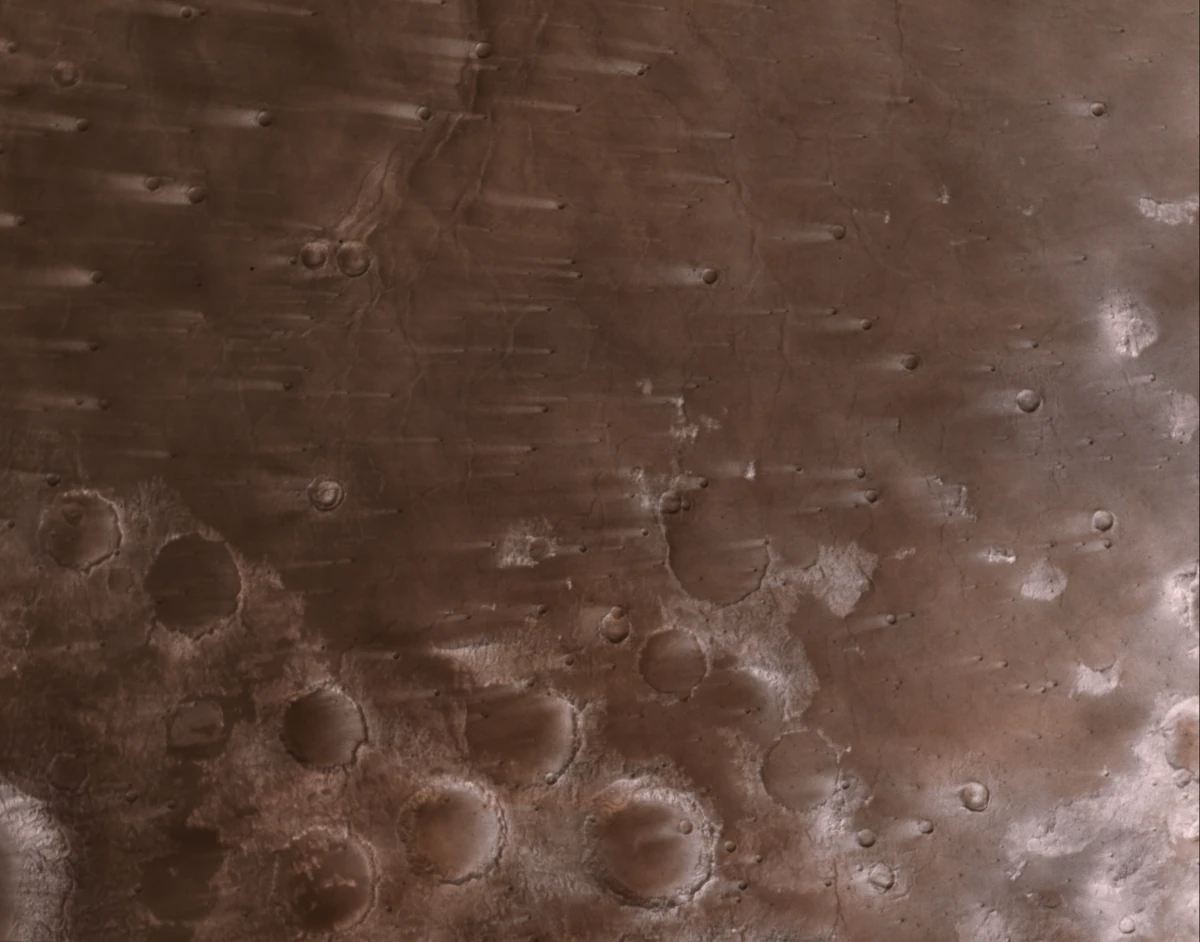
NASA’s Psyche Mission Spies Mars’ Wind-Blown Craters During Close Approach
Description This view of the Martian surface, captured by NASA’s Psyche spacecraft on May 15, 2026, shows streaks that have formed due to wind blowing over impact craters in the Syrtis Major region. The image scale is nearly 1,200 feet (360 meters) per pixel. The wind streaks extend to about 30 miles (50 kilometers) long, and the large craters near…
Read More » -
NASA
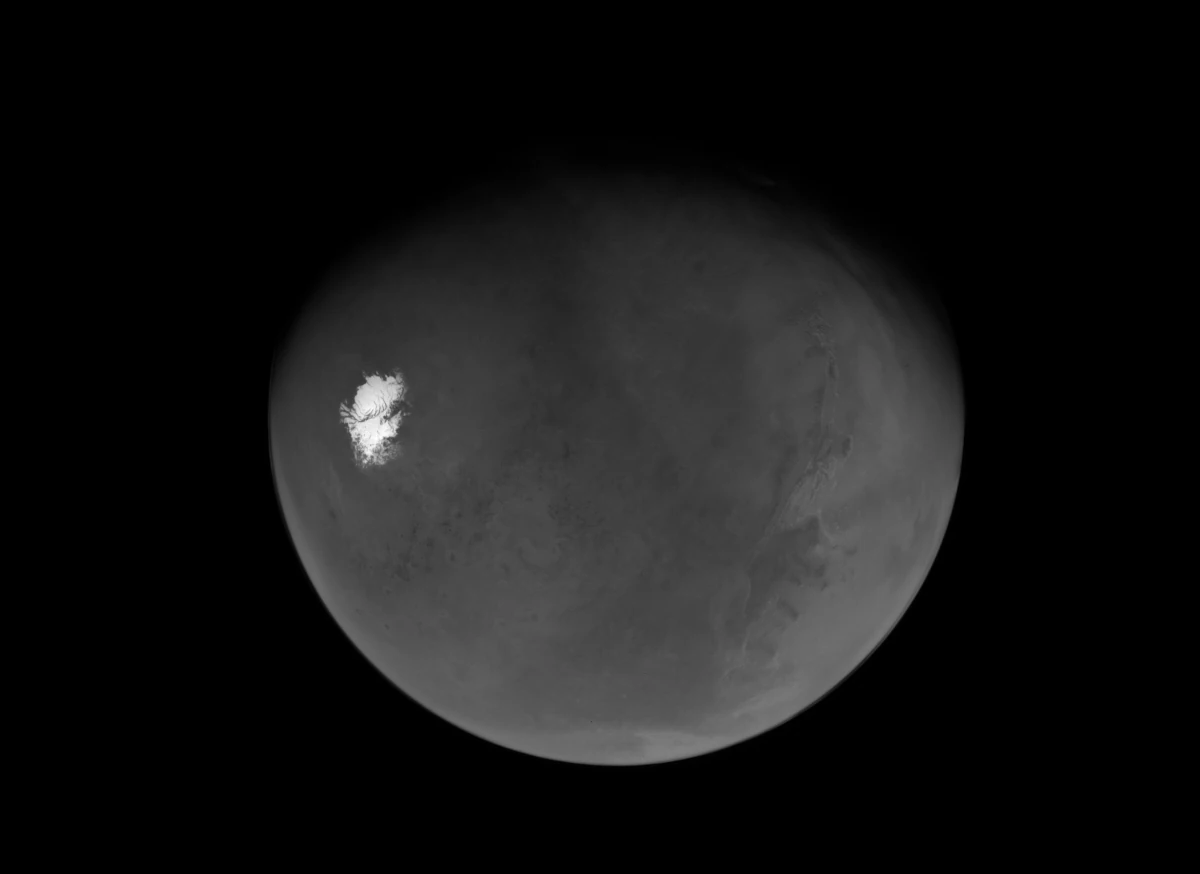
NASA’s Psyche Mission Sees Mars’ South Pole After Flyby
Description This is Psyche’s first view of a nearly “full Mars” seen shortly after the spacecraft’s closest approach to the planet on May 15, 2026. The view extends from the south polar cap northwards to the Valles Marineris canyon system and beyond. With Mars in the rearview mirror, the spacecraft will soon resume use of its solar-electric propulsion system to…
Read More » -
Press Releases
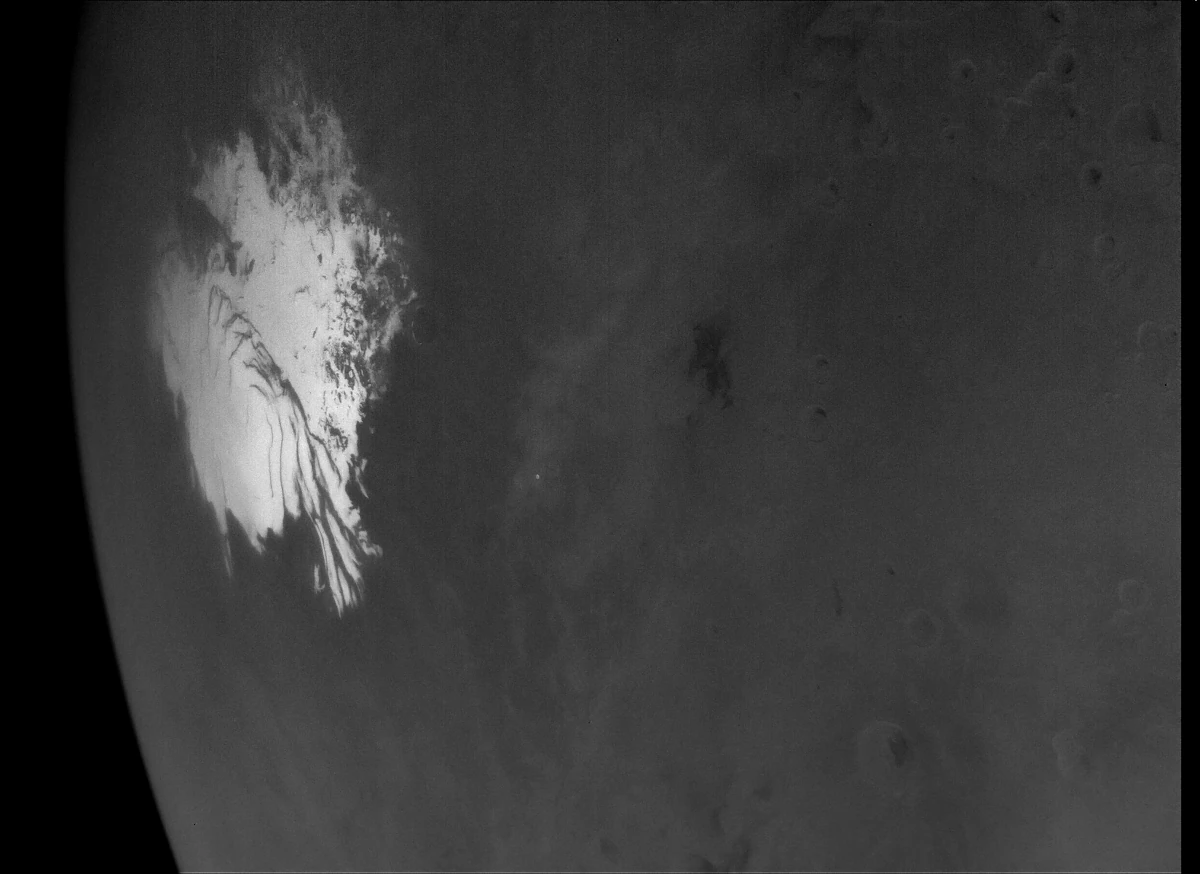
Psyche’s High-Resolution View of Mars’ South Pole
Description This is the highest-resolution view of the water ice-rich south polar cap of Mars captured by NASA’s Psyche mission after it made its close approach with the planet for a gravity assist. The image scale is around 0.7 miles per pixel (1.14 kilometers per pixel). The cap itself extends across more than 430 miles (700 kilometers). The image was…
Read More » -
NASA
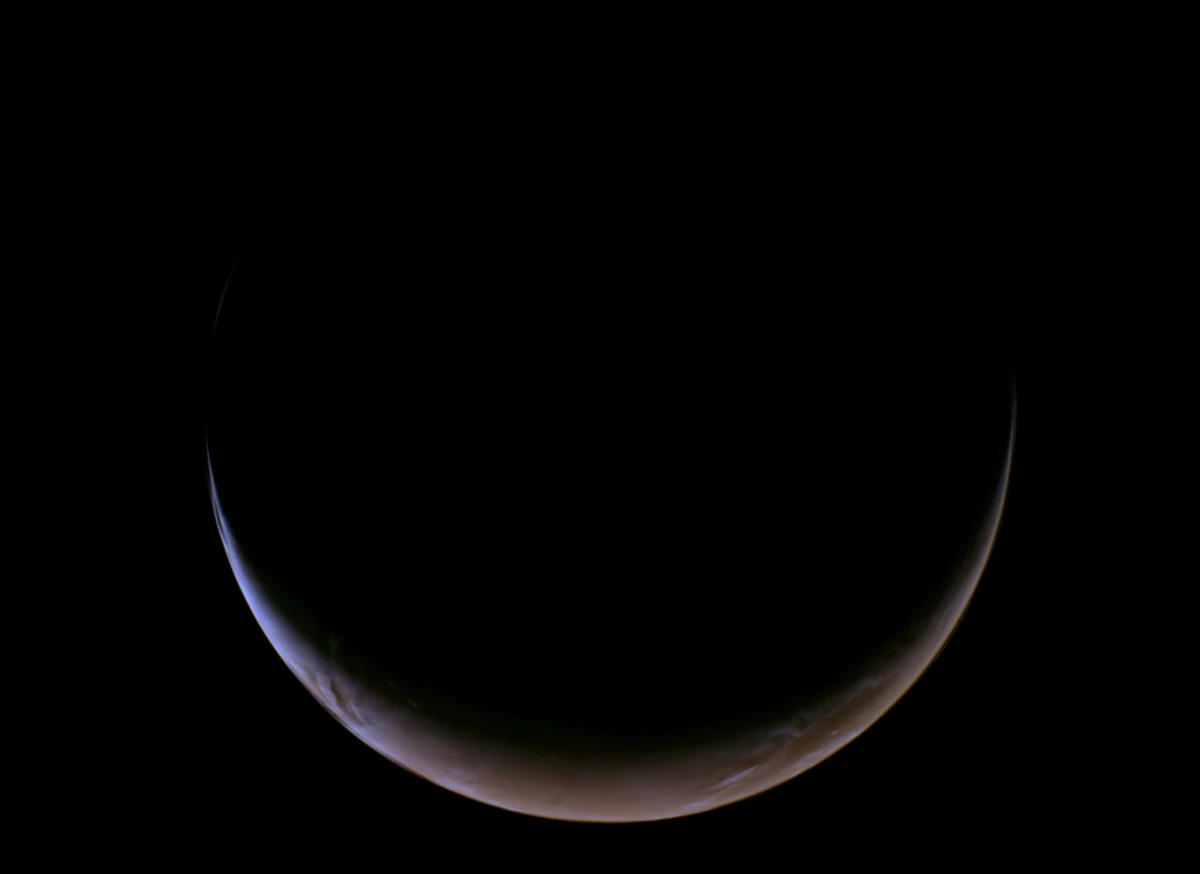
NASA’s Psyche Mission Images the Crescent of Mars
Description This view of a crescent Mars was captured on May 15, 2026, at about 5:03 a.m. PDT by NASA’s Psyche mission as it approached the planet for a gravity assist. Captured by the spacecraft’s multispectral imager instrument, this was the last view of the whole planet before it began to overfill the field of view of the camera. Because…
Read More »