
NASA
-
NASA

NASA Volunteers Study Biofilm Adaptability in Space
Biofilms are communities of microorganisms that stick to one another and also adhere to a nearby surface. They are intricately associated with life on Earth, enabling functions essential to human and plant systems. NASA’s Open Science Data Repository (OSDR) Analysis Working Groups study biofilms and many other biological phenomena in an environment that’s important to NASA: the environment of deep space. It’s…
Read More » -
NASA
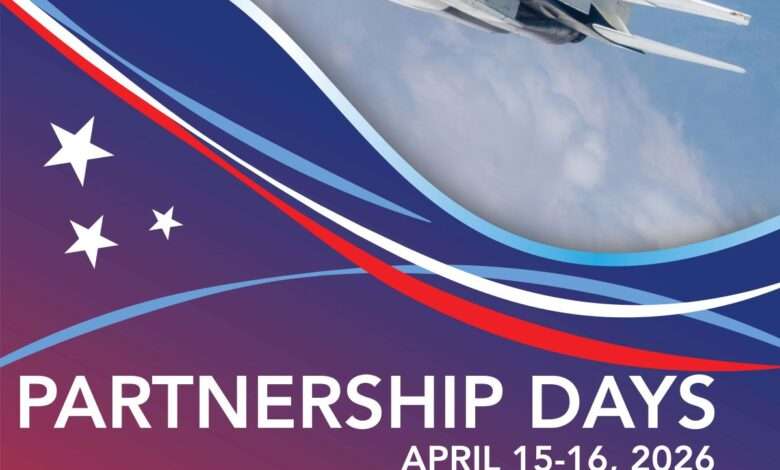
NASA Armstrong to Host Partnership Days April 15-16
NASA’s Armstrong Flight Research Center in Edwards, California, invites innovative companies, government agencies, and organizations to attend Partnership Days, scheduled for Wednesday and Thursday, April 15 and 16, at the center. The event offers a unique opportunity to explore collaboration with NASA on cutting-edge research and development in areas such as aerospace, autonomy, sustainability, and more. Attendees will engage with…
Read More » -
Press Releases

USBR Halt the Hitchhiker: Invasive Species Challenge
NASA’s Center of Excellence for Collaborative Innovation (CoECI) assists in the use of crowdsourcing across the federal government. CoECI’s NASA Tournament Lab offers the contract capability to run external crowdsourced challenges on behalf of NASA and other agencies. The Bureau of Reclamation (Reclamation) is sponsoring a 3-phase prize challenge (managed by yet2) for innovative solutions to eliminate the risk of…
Read More » -
NASA
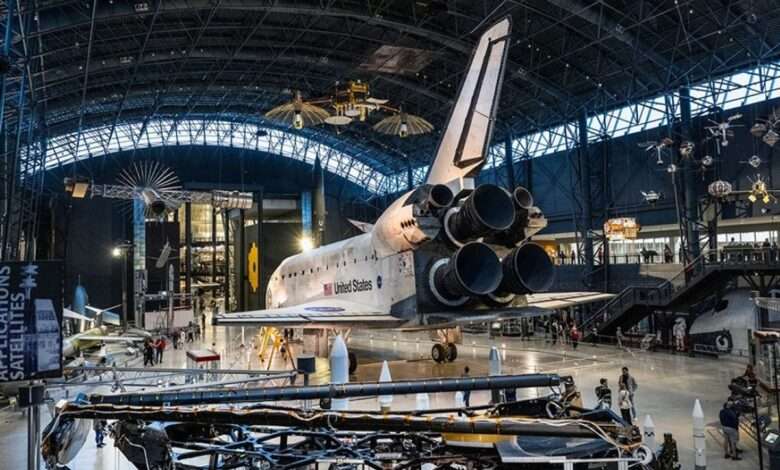
Artifacts From NASA’s Webb, Parker Solar Probe on View at Smithsonian
A testing replica of the “backbone” of NASA’s James Webb Space Telescope and a full-scale model of the agency’s Parker Solar Probe are now on permanent display at the Smithsonian’s National Air and Space Museum, Steven F. Udvar-Hazy Center in Chantilly, Virginia. “From touching the Sun with Parker Solar Probe to creating humanity’s most powerful window into the cosmos with…
Read More » -
NASA
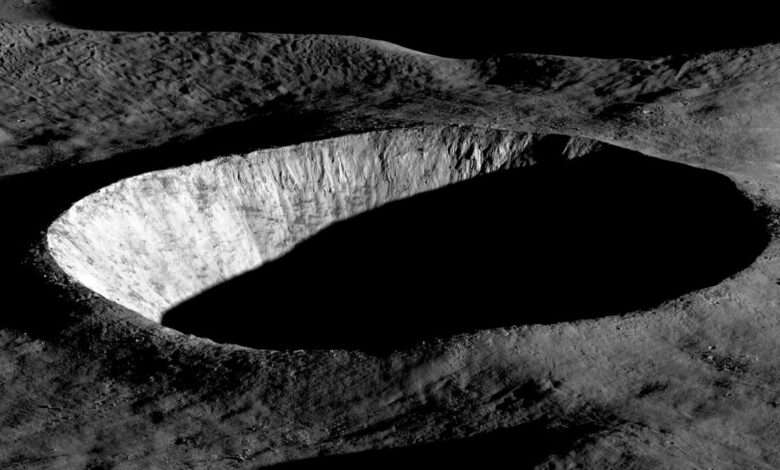
Good Morning, Moon
Early morning sunlight illuminates the western wall of this unnamed crater, leaving deep shadows on the ground and in the interior. The image was taken on August 30, 2023, by LROC (Lunar Reconnaissance Orbiter Camera). LROC is a system of three cameras and one of the seven instruments aboard NASA’s LRO (Lunar Reconnaissance Orbiter) mission, which launched in June 2009 and continues in orbit…
Read More » -
NASA
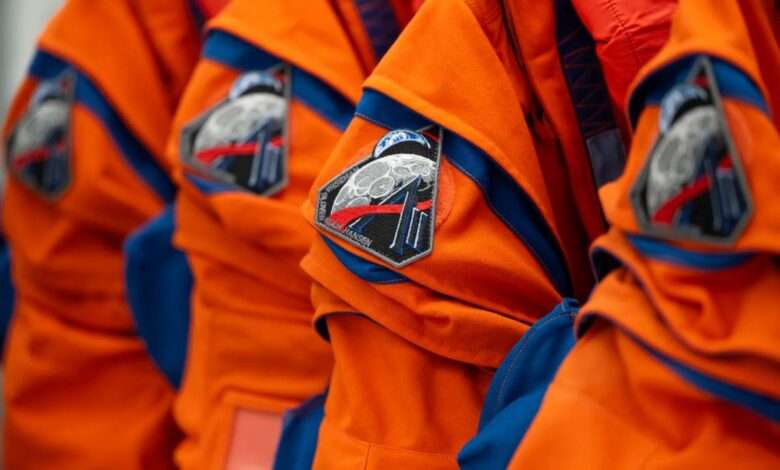
NASA’s Artemis II Moon Mission Daily Agenda
About eight minutes after Artemis II lifts off, the Orion spacecraft and its crew, NASA astronauts Reid Wiseman, Victor Glover, and Christina Koch, along with CSA (Canadian Space Agency) astronaut Jeremy Hansen, will be in space. The approximately 10-day test flight will be packed with activity as the astronauts venture around the Moon and back, with teams checking out Orion’s…
Read More » -
NASA

GVIS Test Facilities Visualizations
The Graphics and Visualization Lab (GVIS) at NASA Glenn Research Center creates a variety of immersive visualizations and simulations in support for NASA’s missions, projects, and future innovations. These visual tools help scientists, engineers, and researchers develop solutions to bring their projects to life. Test Facility Models GVIS creates visualizations of various NASA test facilities. These visualizations include interactive tours, digital…
Read More » -
NASA
Astronauts’ Perspectives on NESC Contributions to Mission Safety and Success
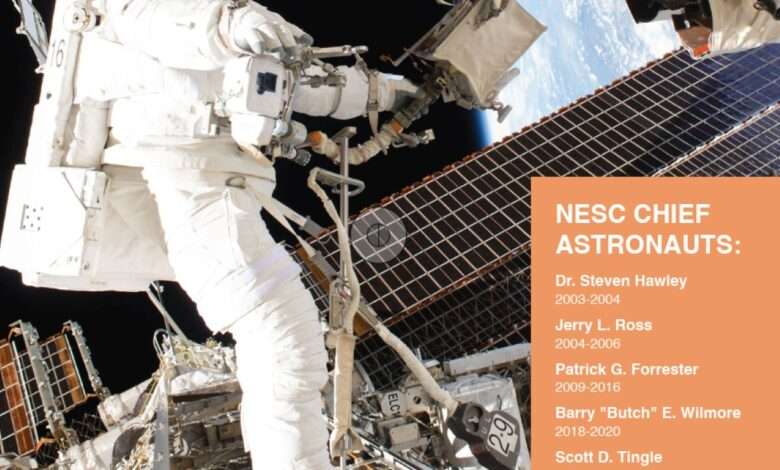
This article is from the 2025 Technical Update. The exact date when the crew of Space Shuttle Columbia was lost is readily recalled by Patrick Forrester, as it likely would be for any NASA employee in service that Saturday morning when the Shuttle broke up during reentry. Forrester had flown to ISS for the first time in 2001 aboard Discovery…
Read More » -
NASA
About Low Boom Flight Demonstrator (LBFD) Project
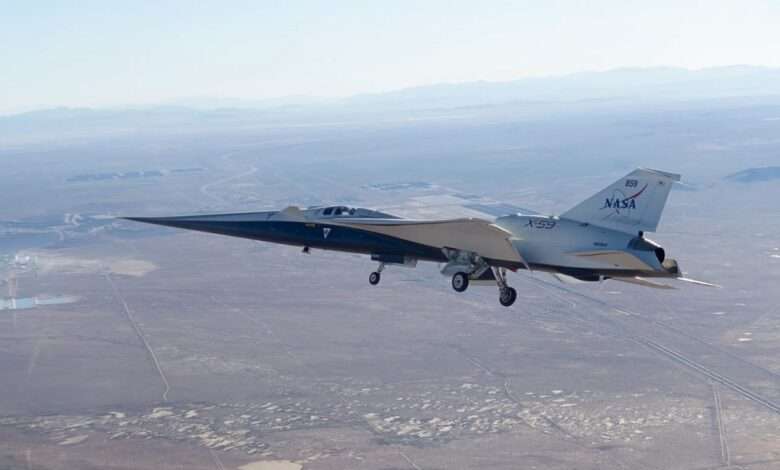
The Low Boom Flight Demonstrator project (LBFD) is part of NASA’s effort to help enable new aircraft noise standards that are required to open the market to commercial supersonic flight over land. The federal government banned all civilian supersonic flights over land more than fifty years ago due to sonic boom noise. If new standards are established, the U.S. aviation industry can position itself to…
Read More » -
Press Releases
About Integrated Aviation Systems Program (IASP)
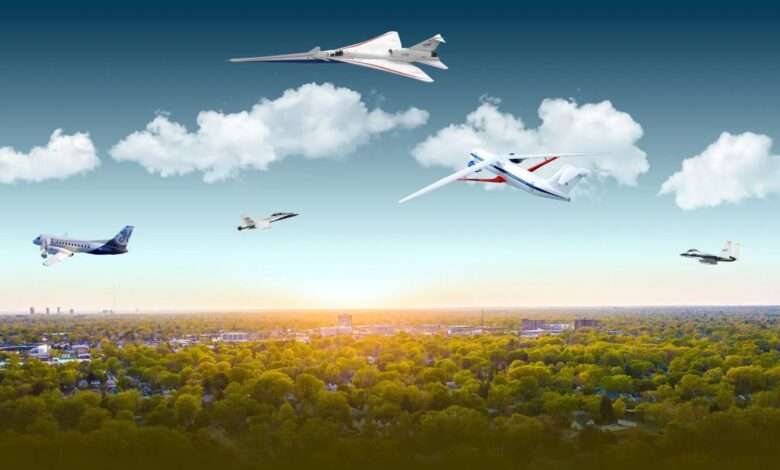
The Integrated Aviation Systems Program (IASP) conducts research and integrated, systems-level demonstrations in a flight environment to prove, mature and transition them into future aircraft and systems. The program aims to determine feasibility and accelerate development of less mature technologies, and for more mature technologies, execute highly complex flight demonstrations to prove and accelerate technology transition to industry. IASP Projects…
Read More »