




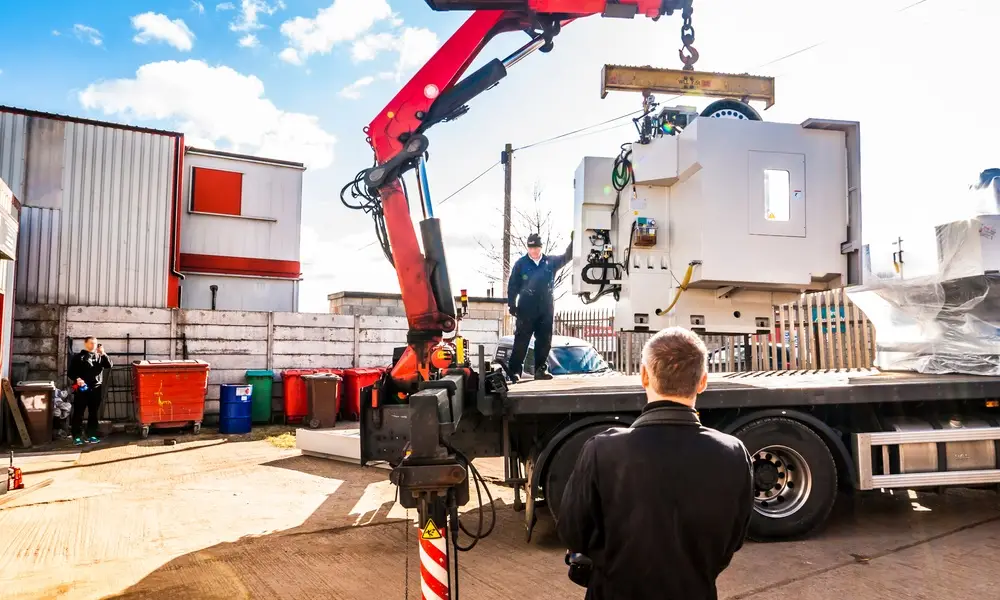
The movies make heavy lifting look easy. A crane swings into place and thousands of pounds glide through the air without a second thought. Reality tells a different story because every successful lift depends on technology that solves problems before equipment reaches the job site. When the right systems work together, even the biggest challenges become manageable.
Smarter Planning Comes First
Every major lift begins inside a computer before it reaches the field. Engineers build digital models that calculate weight distribution, lifting angles, and equipment positioning with impressive accuracy. That preparation reduces uncertainty and gives crews a much clearer picture of what they’ll face.
Modern planning software also allows teams to test different scenarios before making real-world decisions. Virtual modeling helps crews evaluate site constraints and coordinate logistics before work begins, reducing the need for last-minute adjustments during execution.
Machines Keep Getting Smarter
Today’s cranes don’t rely only on raw horsepower. Manufacturers continue adding intelligent systems that monitor performance throughout every stage of a lift. Operators receive instant feedback that helps them maintain safer operating conditions without relying entirely on experience.
Sensors constantly measure changing conditions while onboard computers process new information in real time. Instead of treating every lift the same way, modern equipment adjusts to changing demands as they develop. That’s a huge leap from older machinery that depended almost entirely on manual judgment.
Sensors Watch Every Move
Technology shines when conditions begin changing unexpectedly. Electronic sensors track movement with remarkable precision and alert operators of any changes. That constant awareness creates another layer of protection throughout the operation.
Several technologies work together behind the scenes:
- Load monitoring systems verify weight in real time
- Wind sensors detect changing environmental conditions
- Digital angle indicators confirm proper boom positioning
- Cameras improve visibility around restricted spaces
- Wireless communication connects crews instantly
Software Improves Teamwork
Communication can make or break a complicated lifting project. Digital platforms allow operators and project managers to share updated information almost instantly. Everyone works from the same data instead of relying on paperwork or memory.
Cloud-based project management systems also reduce confusion when schedules change. Each team member receives a revised lifting sequence that keeps projects moving forward without unnecessary delays.
Innovation Never Stops
Heavy-lifting technology continues to advance because projects are growing more complex. Robotics and predictive analytics already influence planning decisions in ways that seemed impossible only a few years ago. Tomorrow’s lifting equipment will likely anticipate problems before operators notice them.
That constant innovation benefits everyone involved, from engineers designing complicated lifts to business owners aiming to keep work on track. The next time you see an enormous piece of equipment moving through the air, you’ll know about the resources it takes to execute those efforts.
About The Author

Got a Questions?
Find us on Socials or Contact us and we’ll get back to you as soon as possible.