
NASA
-
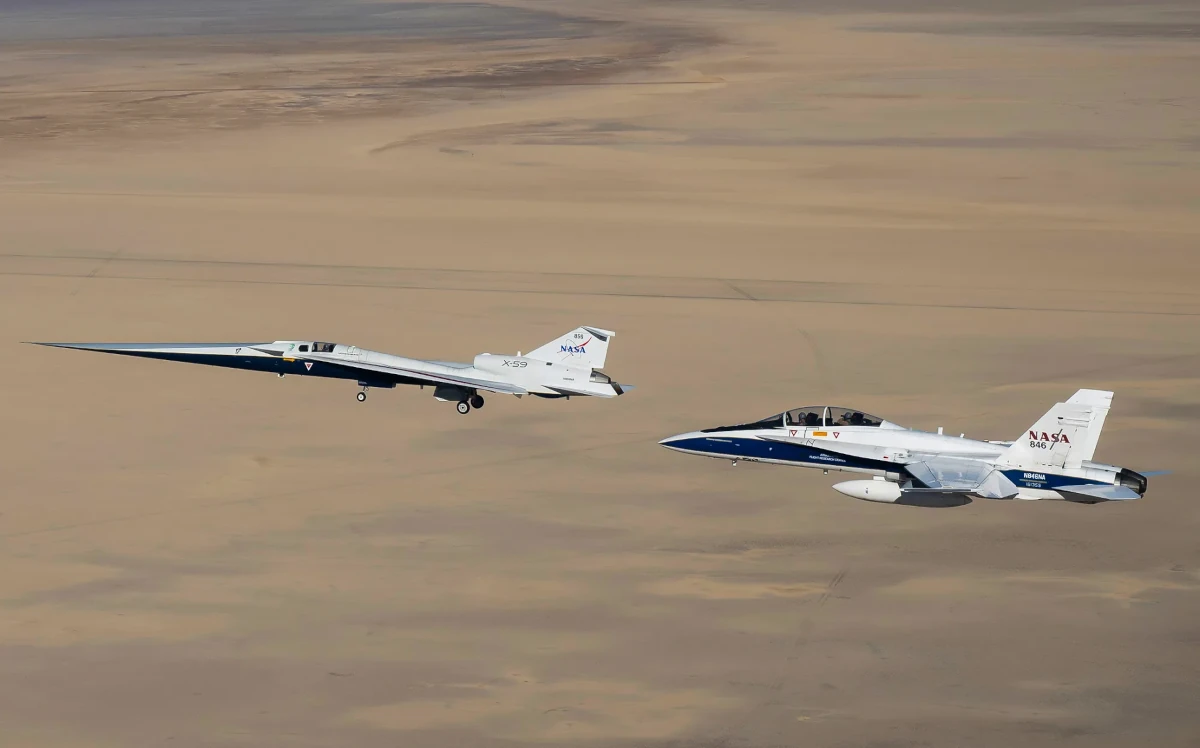
Meet the Fleet: NASA Armstrong Continues Legacy of Flight Research
NASA’s home for experimental flight is welcoming more flyers to its already high-performing fleet as it continues to support science and aeronautics test missions – continuing the legacy of pioneers like Neil Armstrong. NASA’s Armstrong Flight Research Center in Edwards, California, added multiple aircraft this year: two F-15s supersonic jets, a Pilatus PC-12 utility plane, and a T-34 turboprop trainer, which the center will…
Read More » -
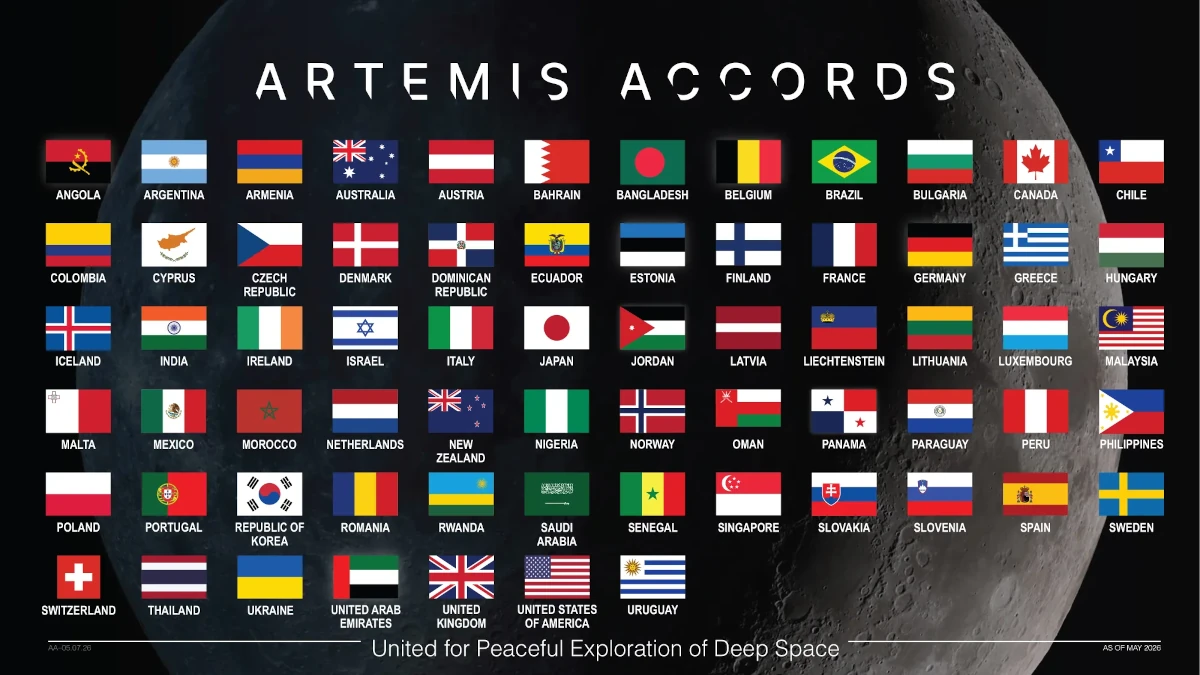
NASA Welcomes Paraguay as 67th Artemis Accords Signatory
The Republic of Paraguay signed the Artemis Accords on Thursday during a ceremony in Asunción, becoming the latest nation to commit to the shared principles guiding civil space exploration. “Today, I am proud to welcome Paraguay as the 67th signatory to the Artemis Accords,” said NASA Administrator Jared Isaacman. “They join an ever-growing coalition of like-minded nations committed to the…
Read More » -
NASA’s Next-Gen Mars Helicopter Rotors Are Moving Fast
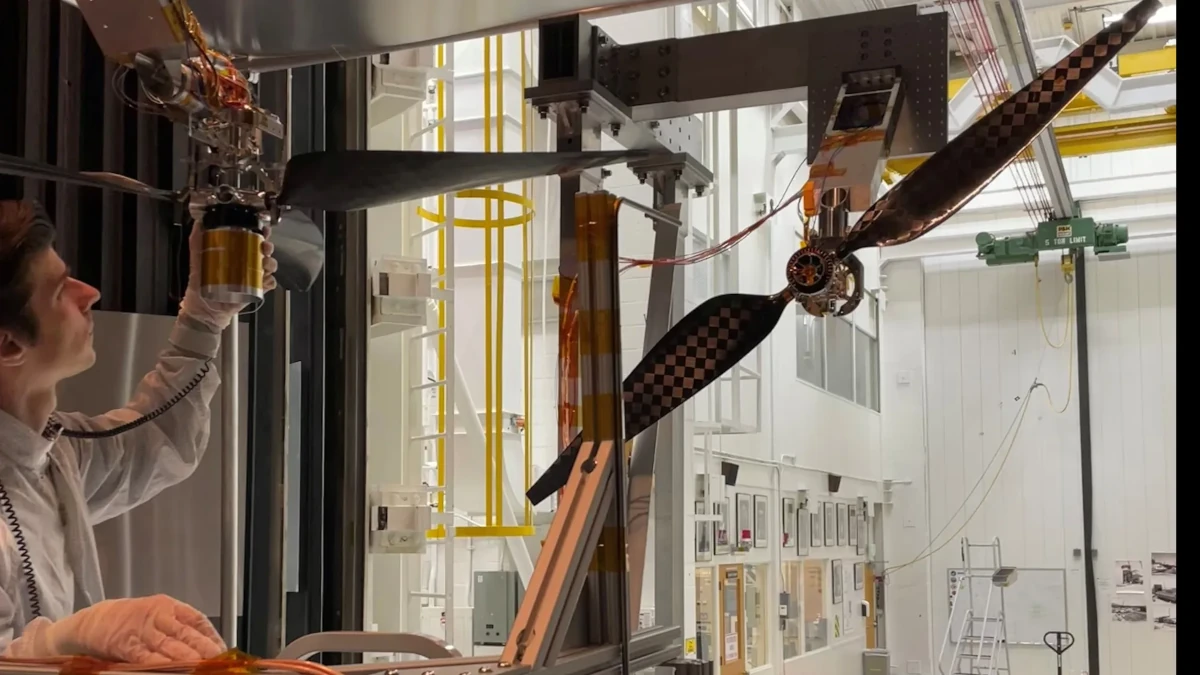
Description Engineer Jaakko Karras inspects a next-generation Mars helicopter rotor blade prior to supersonic speed testing in the 25-Foot Space Simulator at NASA’s Jet Propulsion Laboratory in Southern California in November 2025. The three-bladed rotor hanging horizontally in the foreground is the next-gen rotor being tested. The vertically aligned two-bladed rotor provided a “headwind,” enabling the tips of the three-bladed…
Read More » -
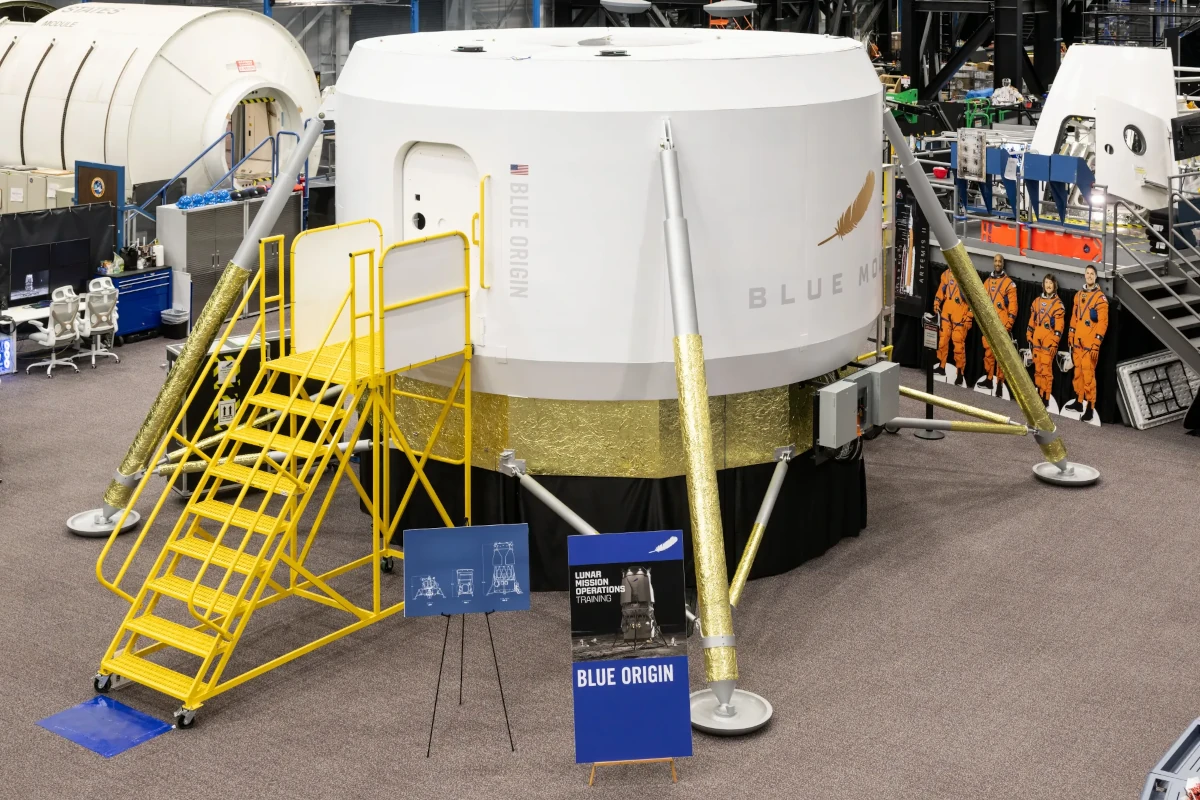
Industry Moon Lander Training Cabin Lands at NASA for Artemis
A full-scale mock-up of a crew cabin for a future industry lunar lander for NASA’s Artemis program now is operational for training and testing. The agency and its industry partners will use Blue Origin’s Blue Moon Mark 2 crew cabin for mission simulations as the agency prepares to dock with landers in Earth orbit in 2027 and send astronauts to…
Read More » -
NASA Pushes Next-Gen Mars Helicopter Rotor Blades Past Mach 1
The rotor blades that will carry NASA’s next-generation helicopters to new Martian heights broke the sound barrier during March tests at NASA’s Jet Propulsion Laboratory in Southern California. Data from the tests, which took place in a special chamber that can simulate environmental conditions on the Red Planet, indicate that the fastest traveling part of the rotor blade, the tips,…
Read More » -

NASA’s Prithvi Becomes First AI Geospatial Foundation Model In Orbit
Editor’s Note: This article was updated May 7, 2026 to include a link to the preprint article for this research. A team of researchers from Adelaide University and the SmartSat Cooperative Research Center in South Australia has successfully uploaded and demonstrated NASA and IBM’s open-source Prithvi Geospatial artificial intelligence (AI) foundation model aboard two in-orbit platforms, making it the first geospatial…
Read More » -
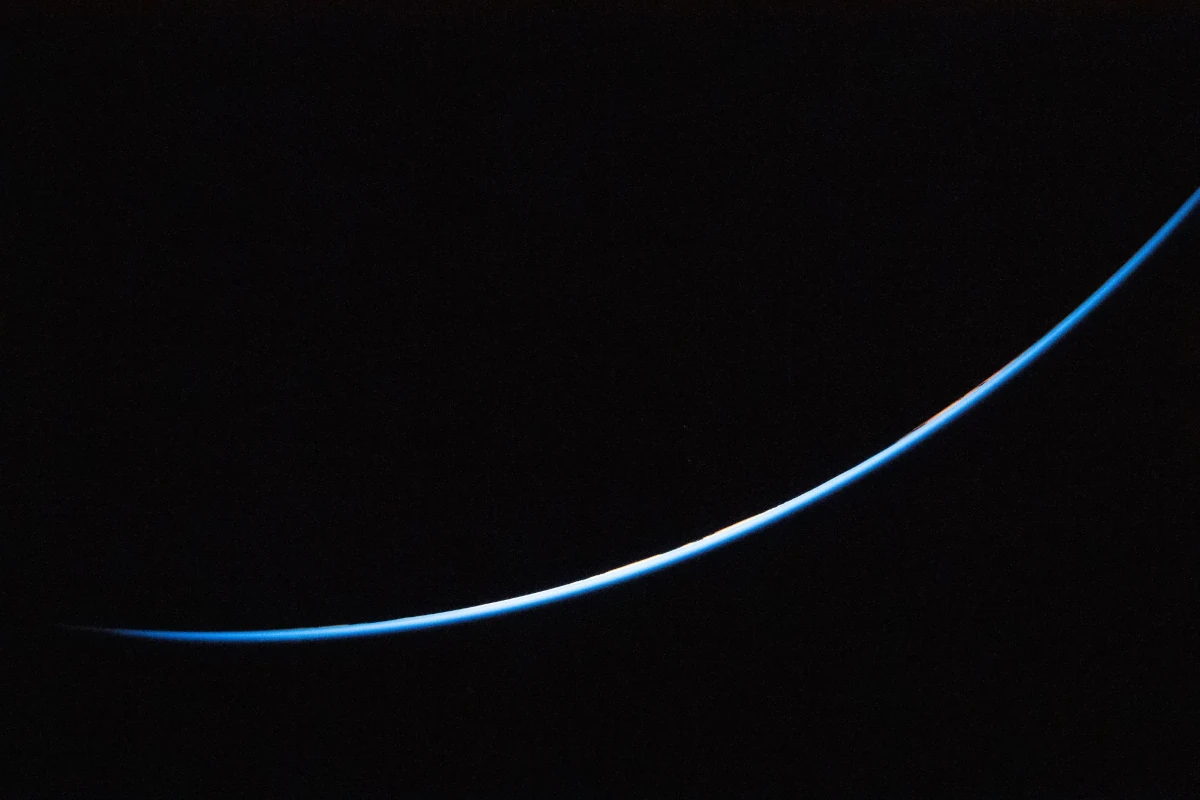
A Light in the Dark
A thin sliver of Earth’s edge is brightly illuminated against the vast darkness of space in this April 3, 2026, image taken during the Artemis II mission. Artemis II was the first crewed flight in a series of missions to test NASA’s human deep space capabilities, paving the way for future lunar surface missions. See more imagery from the Artemis II mission.…
Read More » -
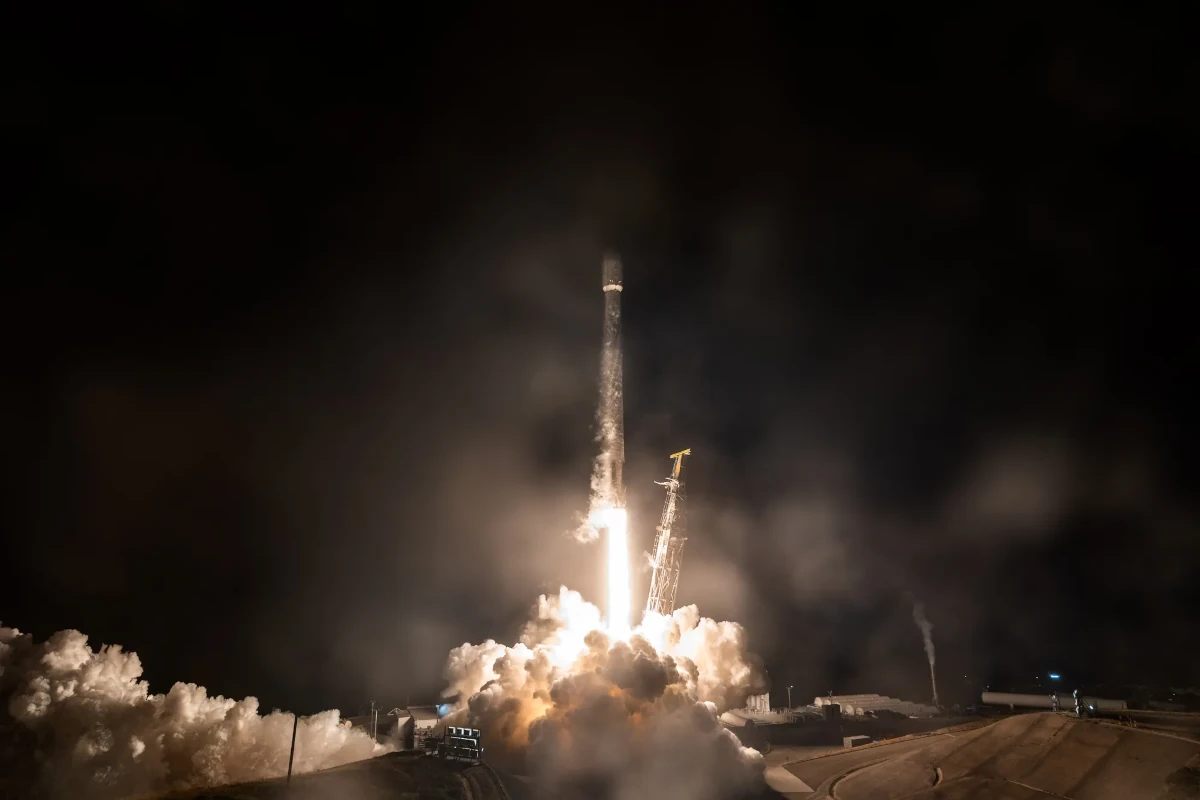
NASA-Supported Small Spacecraft Launches to Study Solar Particles
Through NASA, a university-designed small spacecraft is paving the way to studying particles, known as neutrinos, that move through the universe at near-light speeds. The Solar Neutrino Astro-Particle PhYsics CubeSat, known as SNAPPY, launched at 12 a.m. PDT on Sunday aboard a SpaceX Falcon 9 rocket from Space Launch Complex 4 East at Vandenberg Space Force Base in California and…
Read More » -
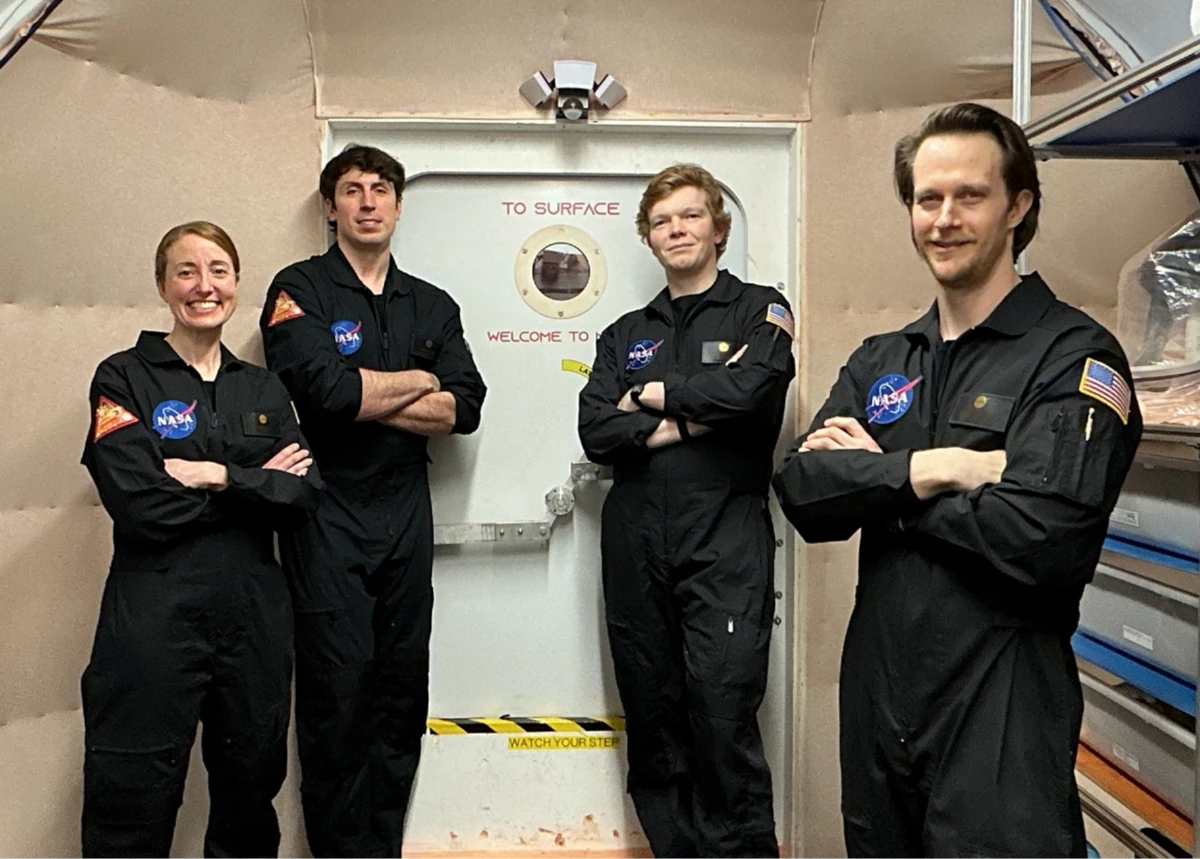
NASA’s Simulated Mars Mission Marks 200 Days Inside Habitat
The four crew members of NASA’s Mars simulation recently marked 200 days into their 378-day Red Planet mission on May 7. Currently, the crew is in a simulated two‑week loss‑of‑signal period that mimics a Mars-Earth communications blackout when Mars moves behind the Sun. During this blackout, the crew works without contact with mission control, using preplanned procedures and available resources…
Read More » -
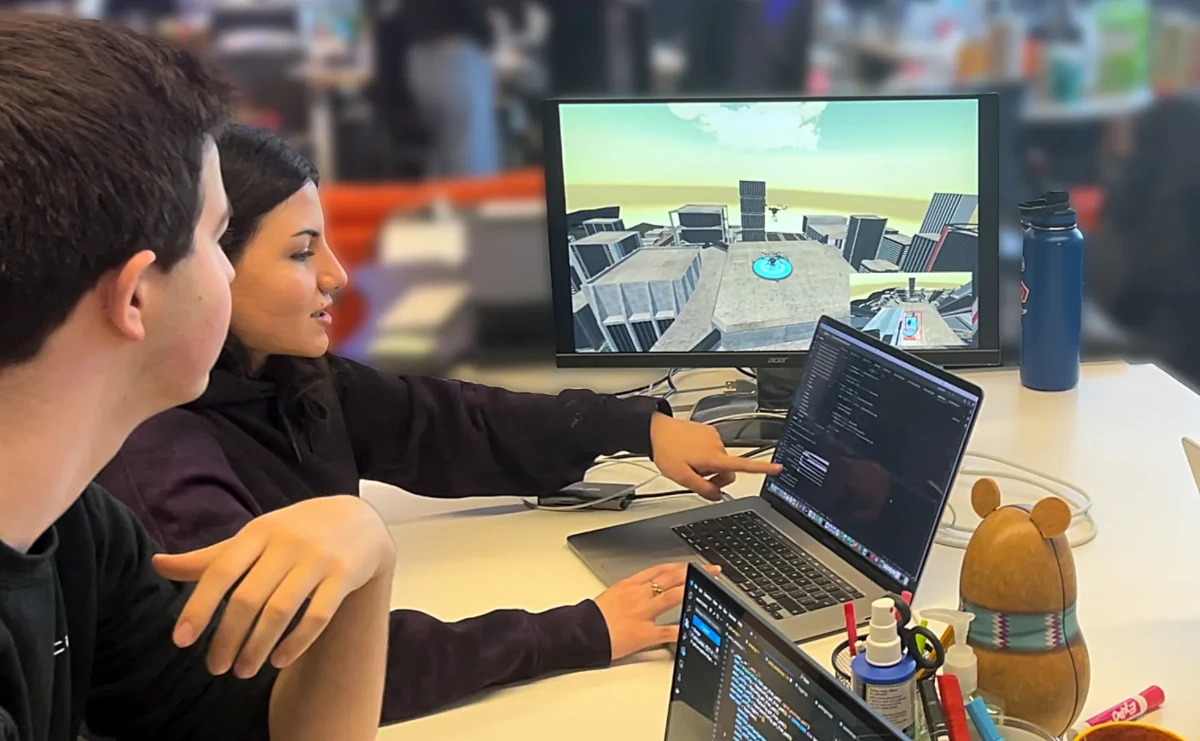
Cornell Students Aid NASA with Drone Safety in Sky
A team of Cornell University students are turning heads within industry and the federal government with the results of their research into creating a national air transportation management system in which thousands of drones could safely operate together. NASA is sponsoring their work through the University Student Research Challenge (USRC), which provides grants to college students interested in helping the agency realize…
Read More »