
NASA
-
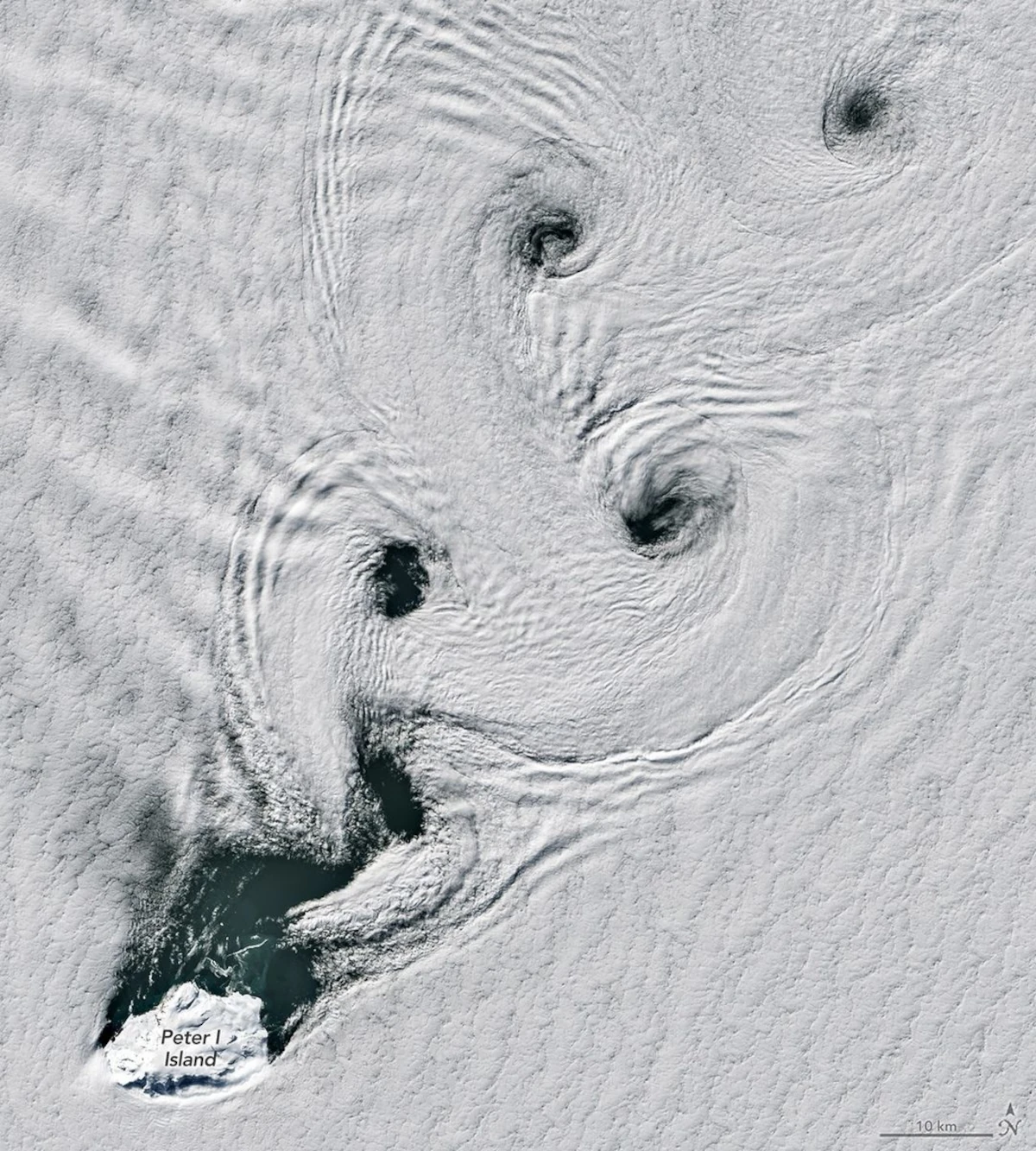
A Sea of Spinning Clouds
Over the Southern Ocean surrounding Antarctica, winds can whip around the globe relatively unimpeded by land. Intrepid sailors termed these southern latitudes the Roaring Forties, Furious Fifties, and Screaming Sixties on account of the strong prevailing winds. When those winds encounter a barrier like an island, the disruption in airflow can be beautiful. One impediment, shown here, is remote Peter I Island.…
Read More » -

Ames Science Stars of the Month May 2026
The NASA Ames Science Directorate recognizes the outstanding contributions of (pictured left to right) Lora Jovanović, Tammy Moore, Frances Donovan, and Jaden Ta. Their commitment to the NASA mission represents the entrepreneurial spirit, technical expertise, and collaborative disposition needed to explore this world and beyond. Space Science Star: Lora Jovanović Lora Jovanović is a research scientist in the Astrophysics Branch…
Read More » -

NASA’s Dryden Aeronautical Test Range Supports Flight, Space Missions
NASA advances aeronautics and space technologies through experimental aircraft and flight research at the agency’s Armstrong Flight Research Center in Edwards, California. Behind those efforts is the Dryden Aeronautical Test Range (DATR), which provides the communications, tracking, and data services that enable safe and effective missions. For most NASA Armstrong research flights, the DATR supplies communications, radar, and telemetry. The range’s video…
Read More » -
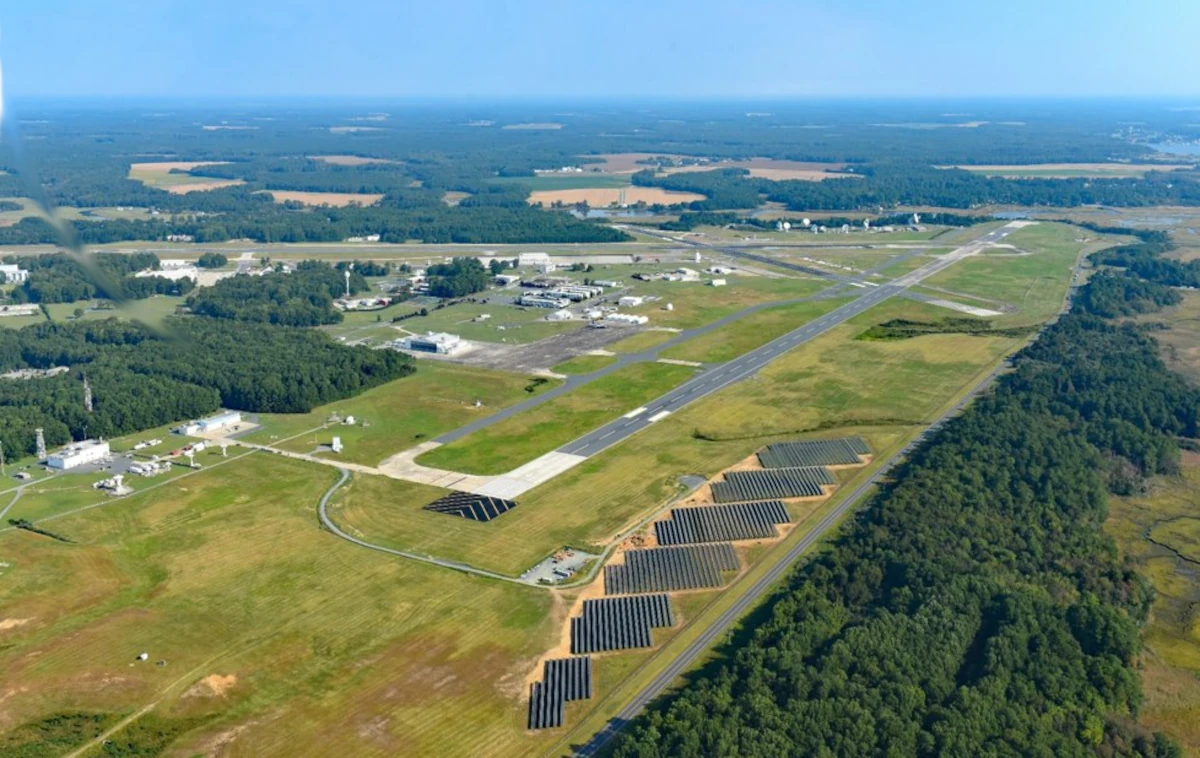
NASA Wallops to Host Public Information Session May 13
To facilitate discussion and information sharing on activities at NASA’s Wallops Flight Facility in Virginia, a public information session is being held 4–6 p.m., Wednesday, May 13, at the NASA Wallops Visitor Center. During the event, NASA will have information booths on the status on the causeway bridge construction, updates on beach replenishment, and a representative from the GLOBE program. Federal and state health experts will be on hand to speak with…
Read More » -
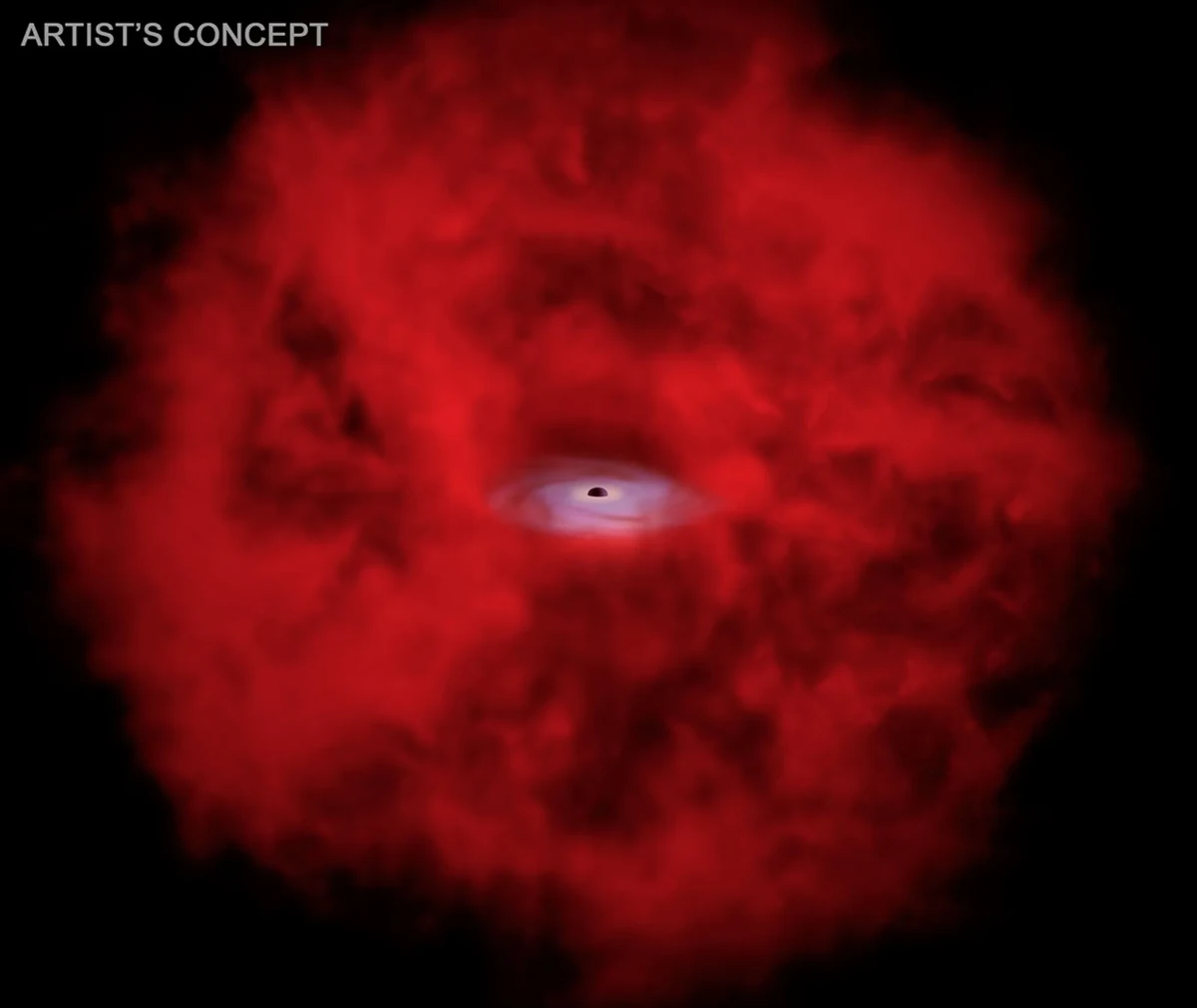
Unlocking the Mystery of X-ray Dots
A new “X-ray dot” found by NASA’s Chandra X-ray Observatory – which could look like this artist’s illustration released on April 28, 2026 – could explain what the hundreds or potentially thousands of these objects are. Shortly after NASA’s James Webb Space Telescope started its science observations, reports of a new class of mysterious objects emerged. Astronomers found small, red…
Read More » -
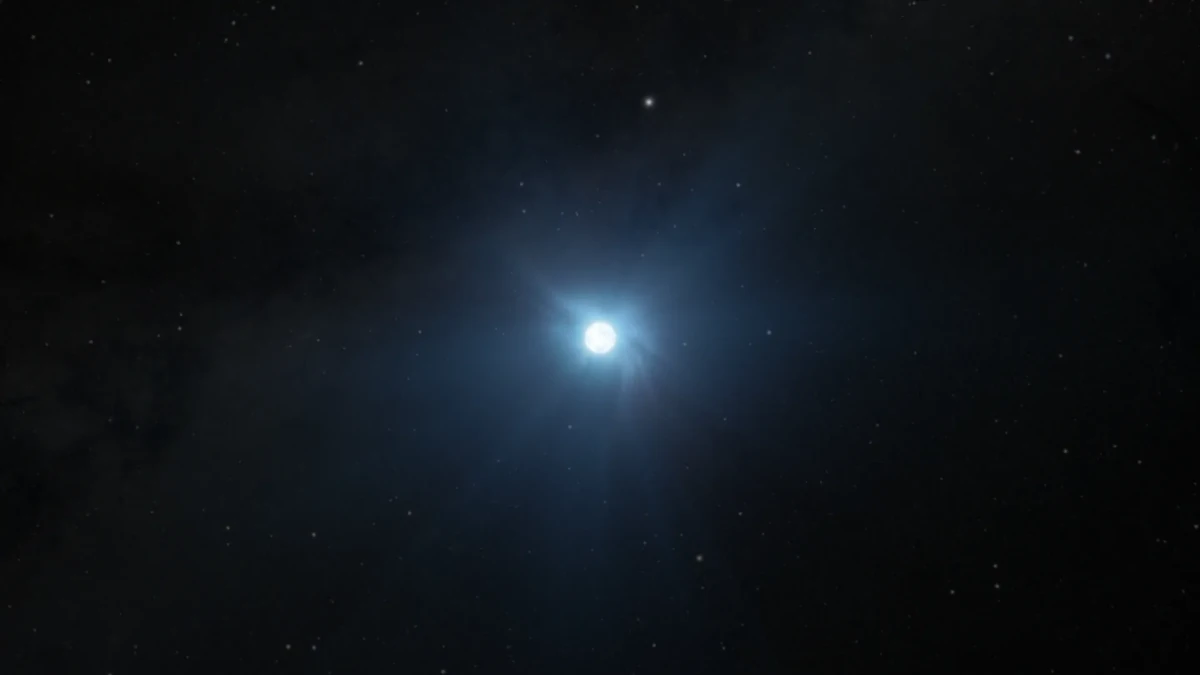
NASA’s Roman Poised to Transform Hunt for Elusive Neutron Stars
Astronomers have long known that neutron stars, the crushed cores left behind after massive stars explode, should be scattered throughout the Milky Way galaxy. However, most of them are effectively invisible. A new study published in Astronomy and Astrophysics suggests NASA’s upcoming Nancy Grace Roman Space Telescope could spot them anyway. Using detailed simulations of the Milky Way and Roman’s…
Read More » -
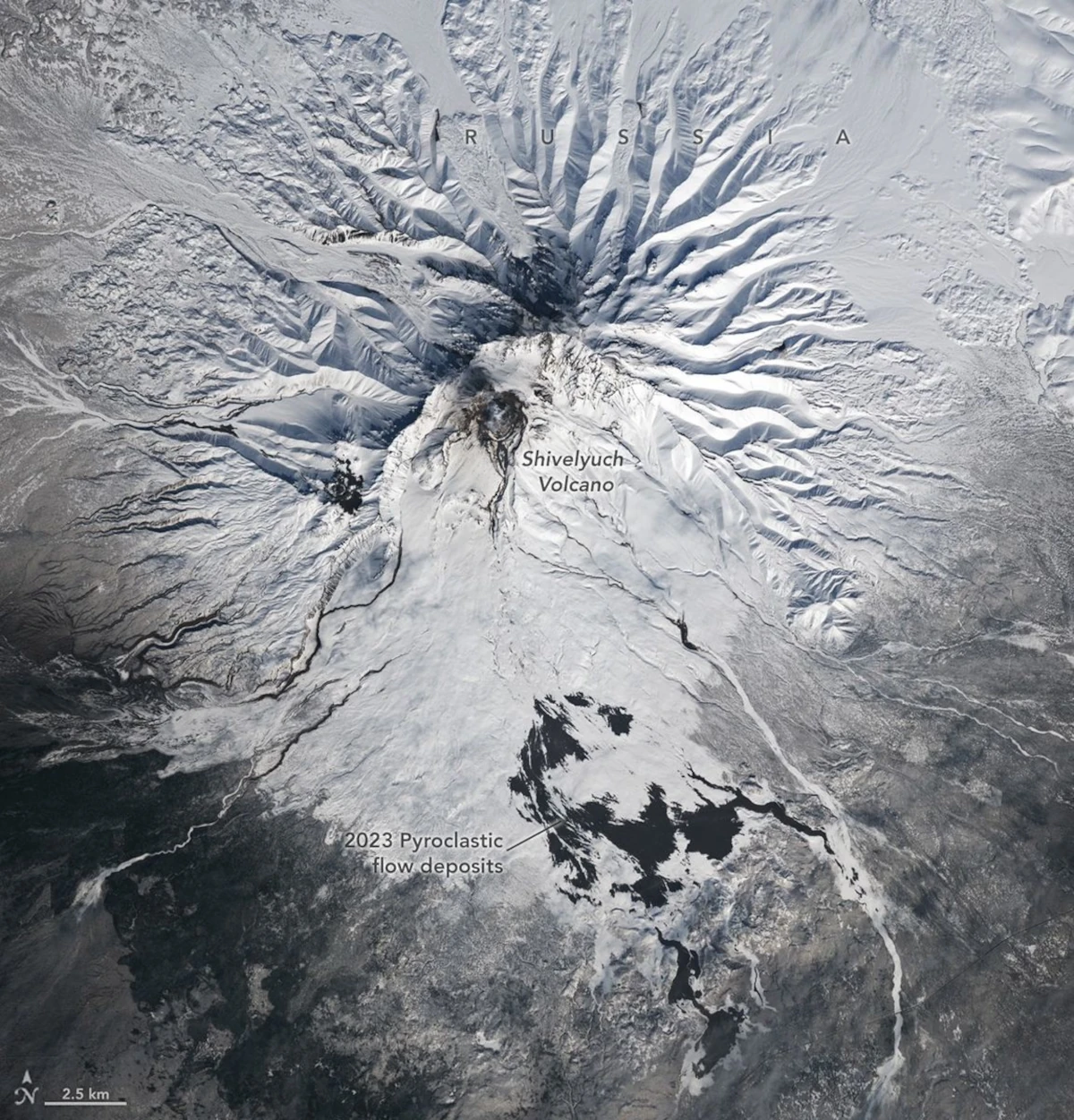
Melting Snow Off Shivelyuch
Shivelyuch (also called Shiveluch), the most northerly active volcano on the Kamchatka Peninsula, is one of the most active volcanoes in the world. On a near-daily basis, satellites detect new signs of activity within its horseshoe-shaped caldera, including thermal anomalies, hot avalanches and debris flows, and ash deposits that darken the surrounding landscape. The Landsat 9 satellite captured this image of the towering volcano—one of…
Read More » -
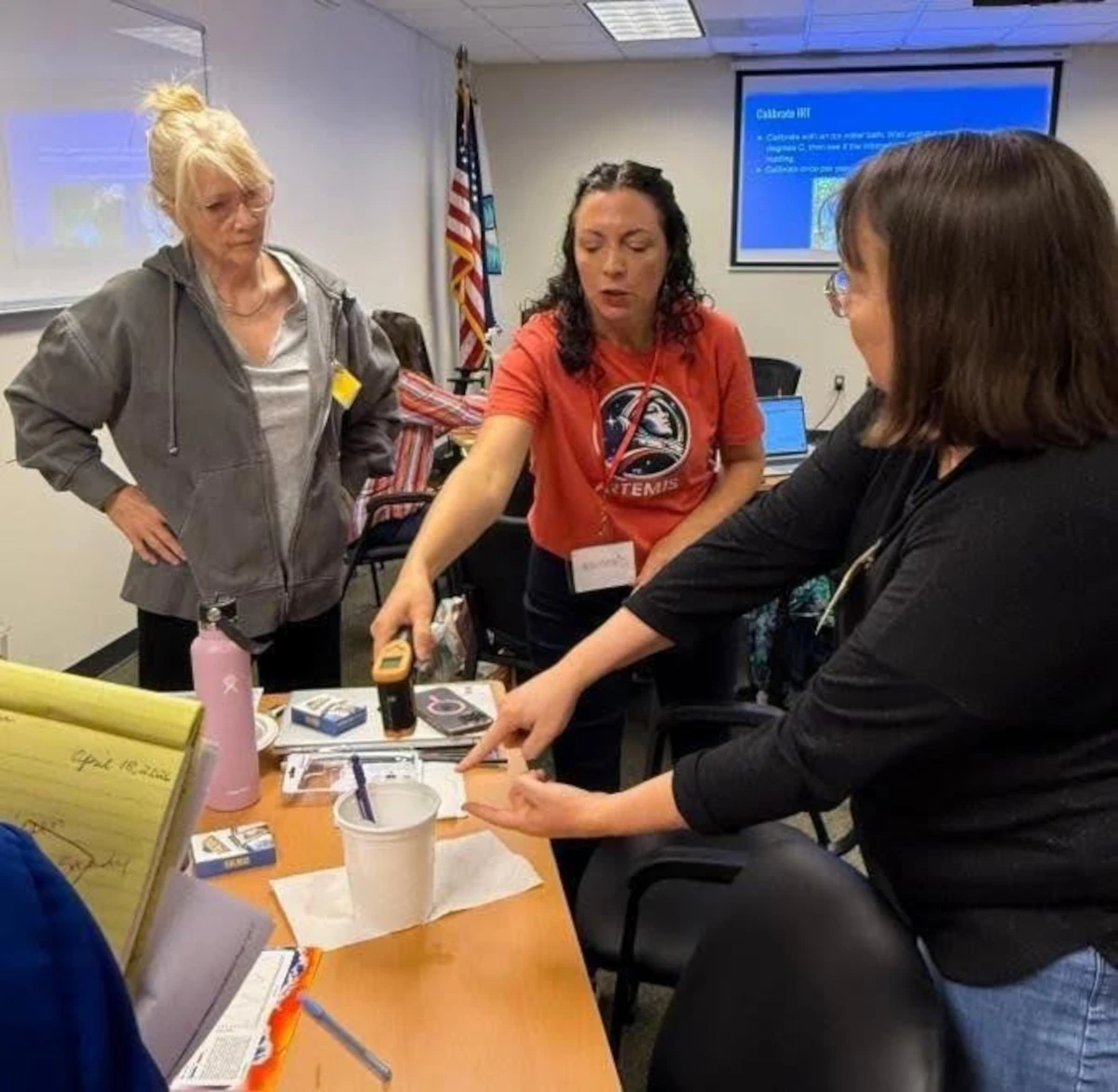
NASA eClips and GLOBE Educators Strengthen a Regional STEM Ecosystem in Coastal Virginia
Thirty-eight science educators representing seven school districts across Virginia’s Tidewater region joined forces with community organizations, such as the Elizabeth River Project, to deepen their instructional practice through a dynamic collaboration between NASA eClips and the GLOBE (Global Learning and Observation to Benefit the Environment) Program. Together, these groups are cultivating a regional STEM ecosystem that connects classrooms, community science, and NASA resources…
Read More » -
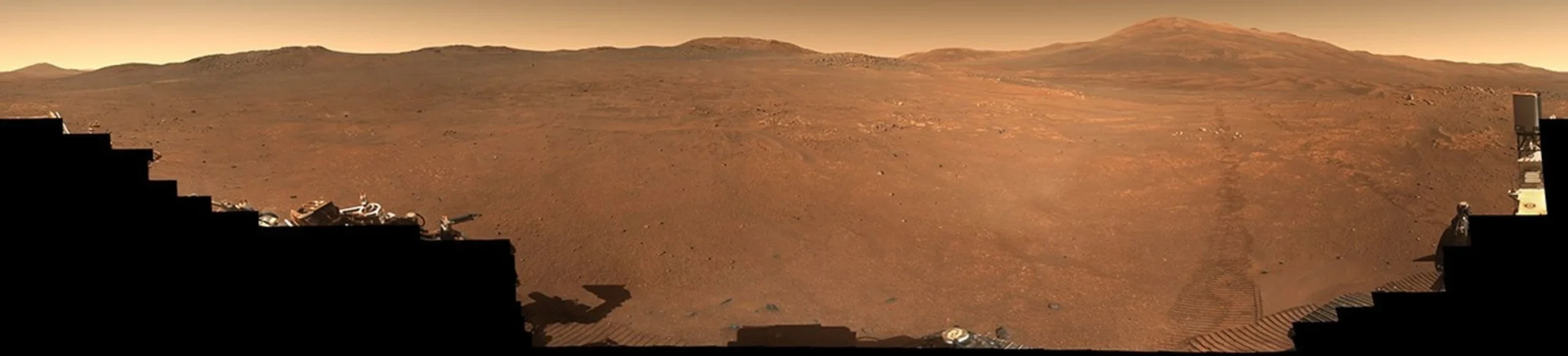
NASA’s Perseverance Mars Rover Surveys ‘Crocodile Bridge’
Description NASA’s Perseverance Mars rover used its Mastcam-Z camera system to capture this 360-degree panorama of a region nicknamed “Crocodile Bridge” on Jezero Crater’s rim. The panorama is made up of 980 images, 971 of which were taken on Dec. 18, 2025, the 1,717th Martian day, or sol, of the mission. An additional nine were taken on Jan. 25, 2026,…
Read More » -
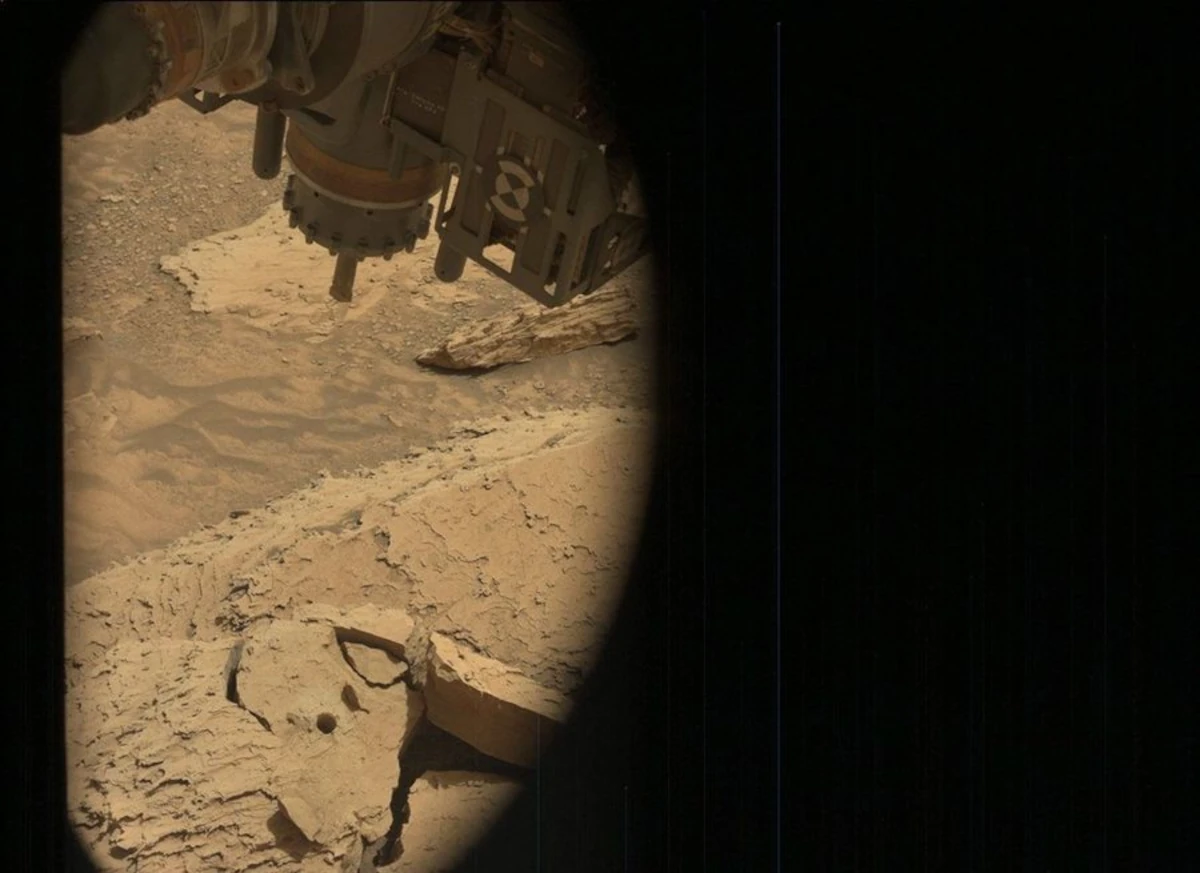
Curiosity Blog, Sols 4879-4885: Struggle at Atacama
Written by William Farrand, Senior Research Scientist, Space Science Institute Earth planning date: Friday, May 1, 2026 Chile’s Atacama desert is the driest mid-latitude desert in the world, receiving only 15 millimeters (0.59 inches) of precipitation per year. Only the dry valleys of Antarctica receive less precipitation. These environmental conditions have made the Atacama a challenging place to survive in.…
Read More »