
NASA
-
NASA
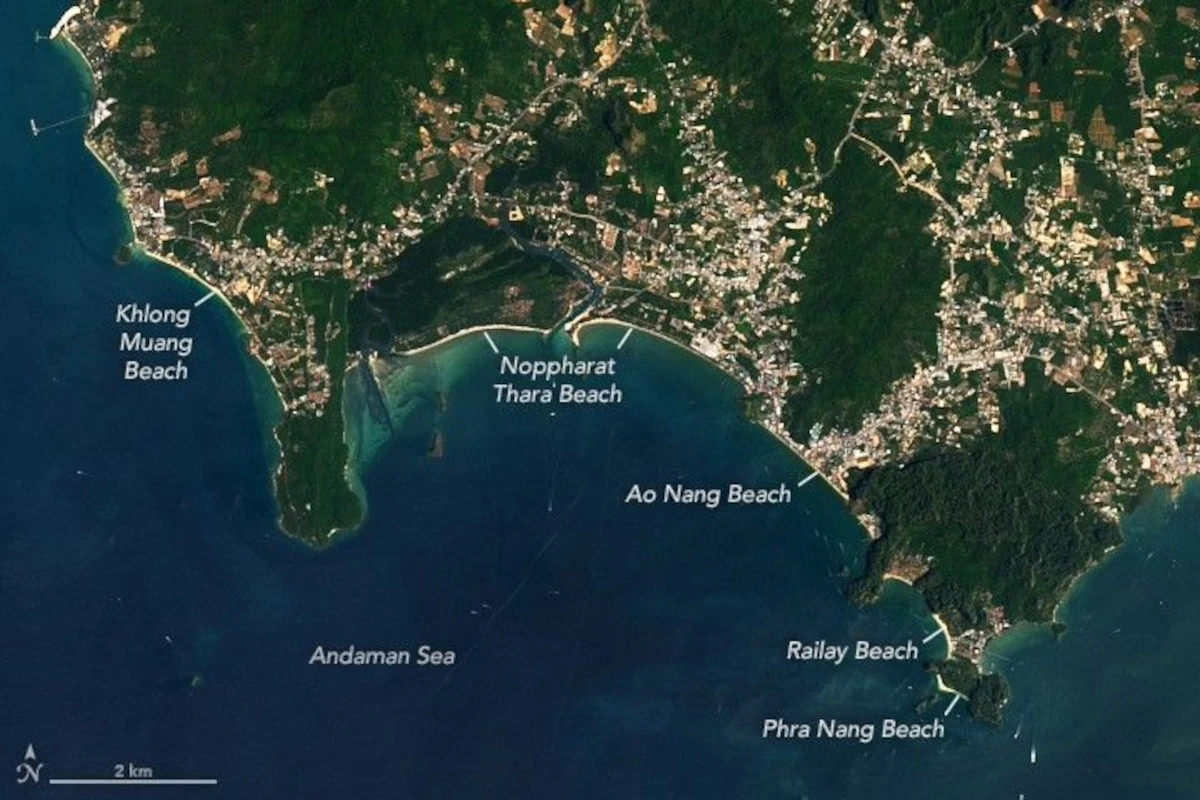
Thailand’s Krabi Coast
Along the western coast of Southern Thailand, a series of bright tan beaches lines the Andaman Sea. These sandy expanses fill the gaps between the myriad other features touching the sea, from limestone karst towers to mangroves to built-up areas. The OLI (Operational Land Imager) on Landsat 8 captured these images on March 23, 2026, showing part of the coastal area along Thailand’s Krabi…
Read More » -
NASA

NASA Artemis II Human Research Data Methodology Challenge
NASA’s Human Research Program (HRP) uses research to develop methods to protect the health and performance of astronauts in space. In support of NASA’s goals for long-term missions on the surface of the Moon and human exploration of Mars, HRP is using ground research facilities, the International Space Station, and analog environments to monitor human health in deep space. NASA’s Artemis II mission was the first crewed mission to the vicinity of the…
Read More » -
NASA
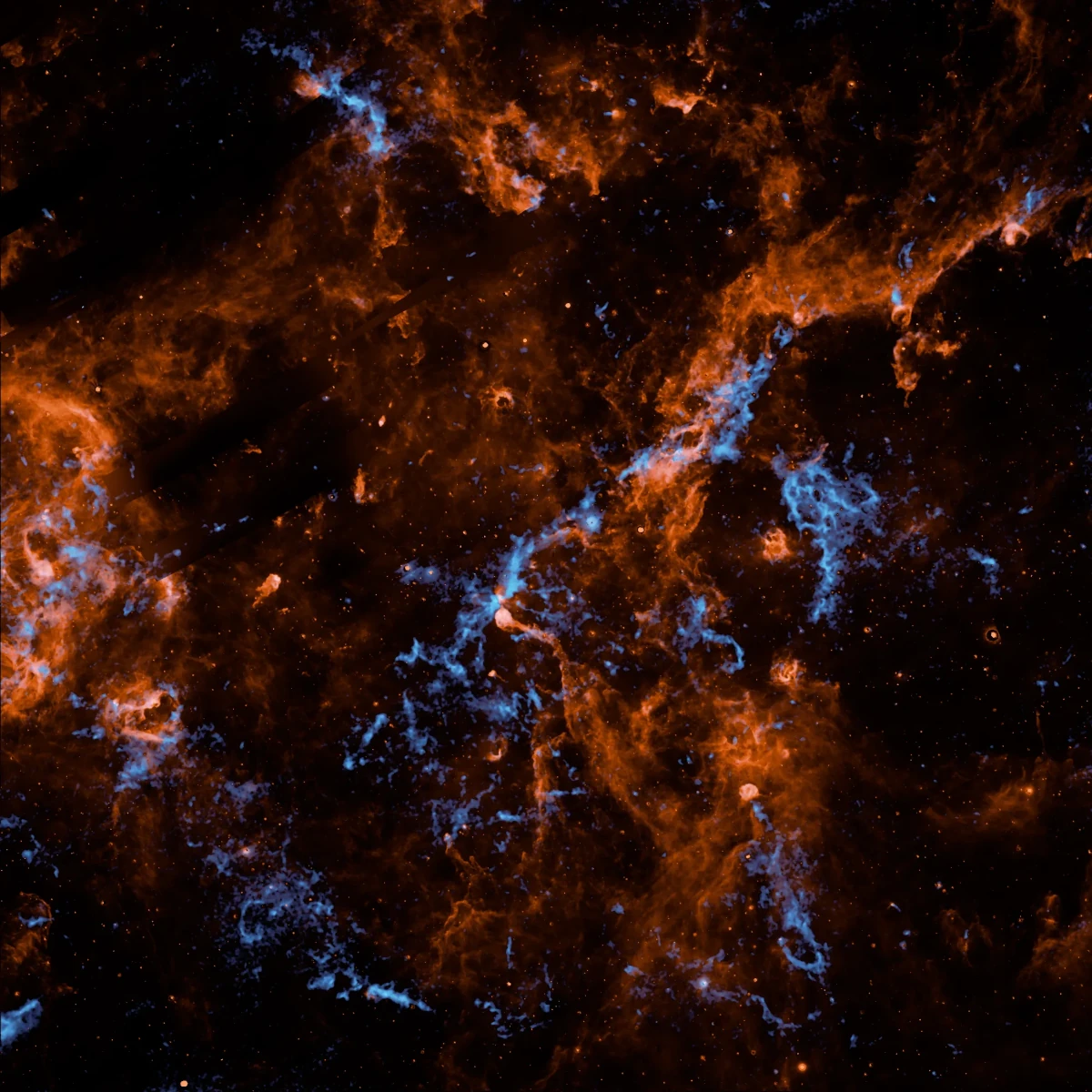
NASA’s SPHEREx Observatory Maps Interstellar Ice in Milky Way
An observation made by NASA’s SPHEREx (Spectro-Photometer for the History of the Universe, Epoch of Reionization, and Ices Explorer) shows the chemical signatures of water ice (shown in bright blue) and polycyclic aromatic hydrocarbons (orange) in Cygnus X, one of the most active and turbulent regions of star birth in our Milky Way galaxy. The image was released on April 15, 2026,…
Read More » -
NASA

NASA, OPM Announce New NASA Force Website, Open Job Applications
NASA and the U.S. Office of Personnel Management (OPM) launched the NASA Force website on Friday, opening applications for roles aimed at recruiting the nation’s top engineers and technologists to support America’s air and space program. NASA Force, a new hiring initiative developed in partnership with OPM, will recruit and place high-impact technical talent into mission-critical roles supporting NASA’s exploration, research, and advanced technology priorities, ensuring the agency has the cutting-edge expertise needed…
Read More » -
NASA

Quality Assessment Report Evaluates Tomorrow.io Precipitation Radar Data
A new quality assessment report from NASA’s Commercial Satellite Data Acquisition (CSDA) program approves the use of precipitation radar data from Tomorrow.io for NASA scientific use. Issued March 9, 2026, the Commercial Satellite Data Acquisition Program Tomorrow.io Radar Quality Assessment Report documents the evaluation process of the NASA subject matter experts (SMEs) enlisted to analyze the data quality of the Ka-band Precipitation Radars aboard…
Read More » -
NASA

Volunteers Discover Rare Space Weather Events Using Their Ears
Our planet rests inside a magnetic cocoon filled with plasma – but it’s not always peaceful and quiet. Activity from the Sun can send waves through this space, and some of those disturbances can even reach Earth, affecting our power grid. Scientists are working to understand exactly how these waves behave, and the team behind NASA’s Heliophysics Audified: Resonances in Plasmas…
Read More » -
NASA
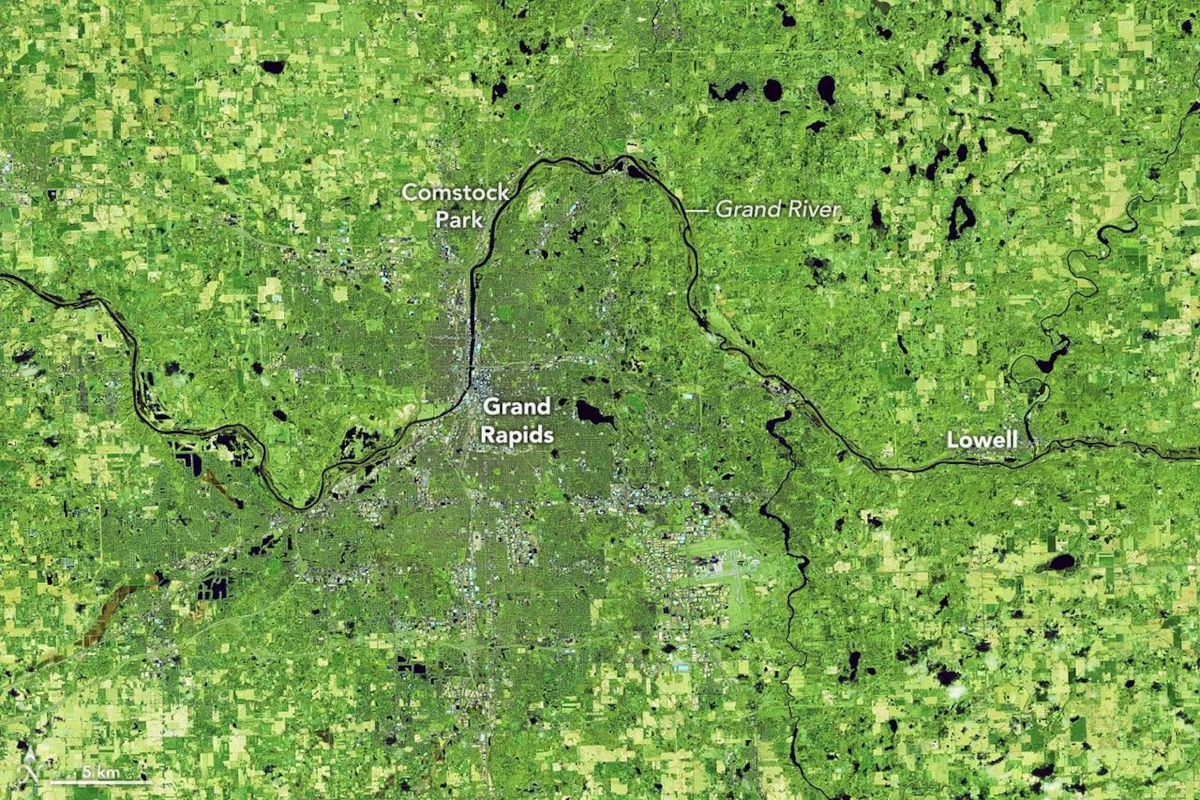
Spring Rains Saturate Michigan
The start of spring 2026 brought bouts of heavy rain to much of Michigan. Above-normal levels of precipitation in March and early April—exacerbated by snowmelt in the northern part of the state—saturated soils and caused damaging flooding along multiple rivers. A flood watch spanned the entirety of both the upper and lower peninsulas as rain continued to fall in mid-April. Flooding along…
Read More » -
NASA

NASA Invites Media to Latvia Artemis Accords Signing Ceremony
The Republic of Latvia will sign the Artemis Accords during a ceremony at 9 a.m. EDT Monday, April 20, at NASA Headquarters in Washington. NASA Administrator Jared Isaacman will host Dace Melbārde, Latvia’s minister for education and science; Jānis Beķeris, chargé d’affaires at the Embassy of the Republic of Latvia to the United States; and Jacob Helberg, under secretary of…
Read More » -
NASA
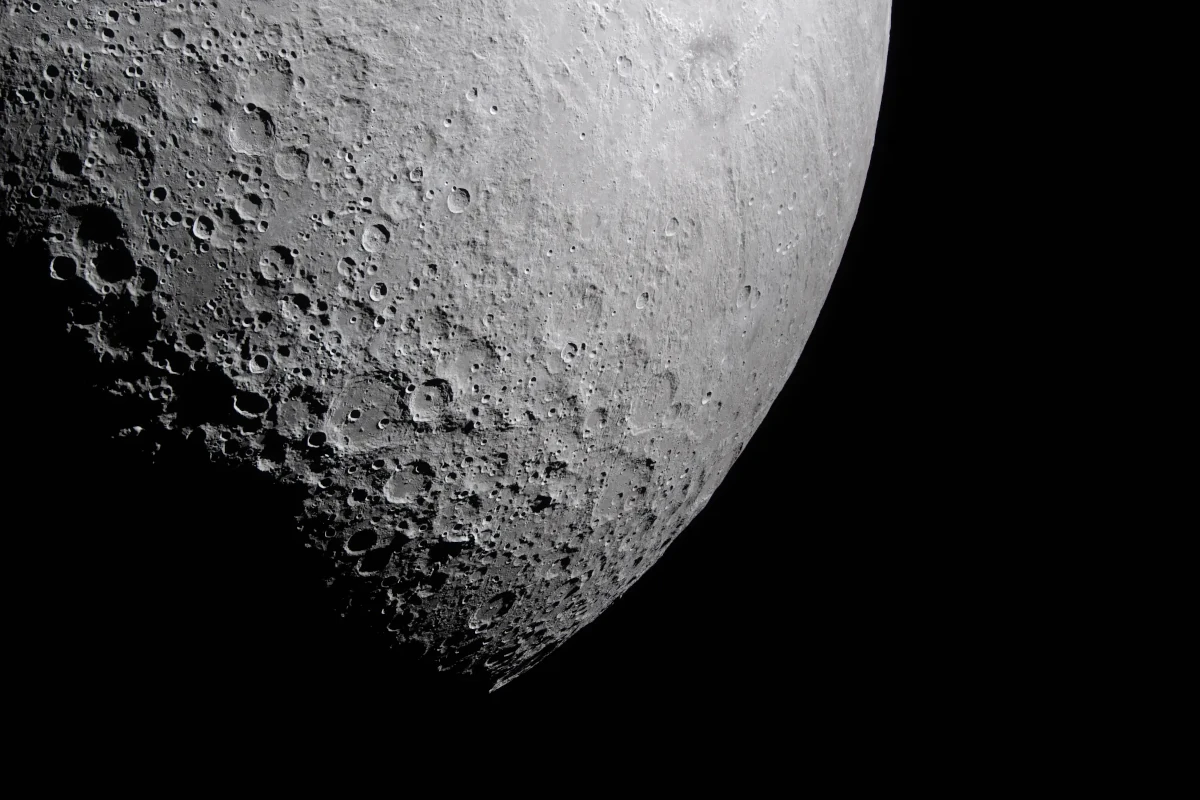
At the Edge of Light
In this photo taken on April 6, 2026, a portion of the Moon’s far side is seen along the terminator—the boundary between lunar day and night—where low-angle sunlight casts long shadows across the surface. A section of Orientale Basin is visible along the upper right portion of the lunar disk, its structure subtly revealed under grazing illumination. This lighting enhances…
Read More » -
NASA
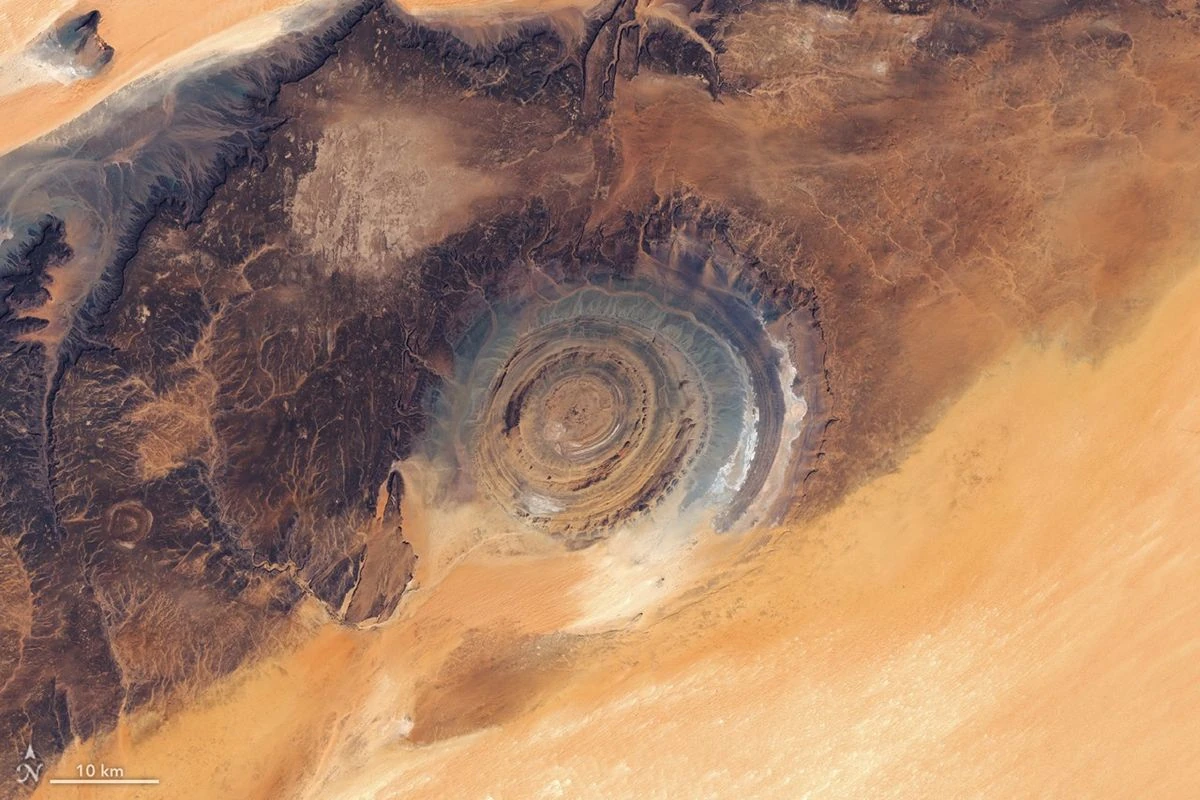
Eyeing the Richat Structure
In a remote part of northern Mauritania on the Adrar Plateau lies a desert landscape rich in human history. This region of northwestern Africa is sprinkled with Paleolithic stone tools, Neolithic cave paintings, and the remains of medieval towns once used by caravans crossing the Sahara Desert. When viewed from space, the landscape appears to be shaped most prominently by natural forces.…
Read More »