



Understanding why your hands shake more during lab exams starts with separating nerves from poor physical setup. Your hands might feel steady during practice, then turn unreliable once the timer starts and an instructor watches nearby. Stress changes how tightly you grip tools and how quickly you move. A few adjustments help you regain control without treating every tremor like a sign that you lack skill. Recognizing this difference early helps you focus on technique instead of worrying about your ability.
Performance Pressure Tightens Your Grip
Lab exams make ordinary movements feel more important because each mistake carries a grade. As a result, many students respond by squeezing forceps or probes harder than needed. That extra pressure tires the small muscles in your fingers and makes smooth motion harder to maintain.
Instead, loosen your grip before each task and let the tool rest against your fingers instead of trying to control it through force. Even this small change can noticeably improve precision under pressure.
Poor Wrist Support Increases Shaking
Your hands work harder when your wrists hover above the table during detailed tasks. In this situation, unsupported arms force your shoulders and forearms to hold a fixed position while your fingers handle precise movements.
Whenever the task allows it, rest part of your forearm against the bench. This support reduces muscle strain and gives your hand a steadier base during dissections or sample transfers. Even slight contact with the surface can improve stability.
Heavy Tools Wear Down Control
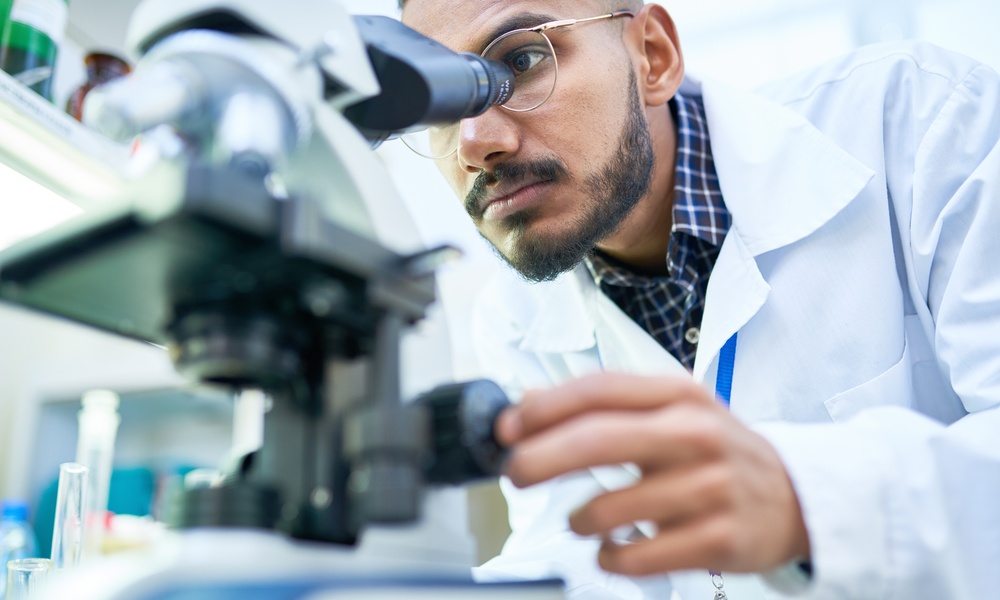
A tool might feel fine during a quick practice session and become tiring during a full practical exam. For instance, reviewing why instrument weight matters under a microscope helps explain how repeated lifting and repositioning increase fatigue over time.
Heavier instruments ask your fingers to make constant corrections while you work under magnification. If your lab provides more than one option, choose lighter or better-balanced tools during practice. This helps build endurance and control.
Rushing Makes Small Movements Worse
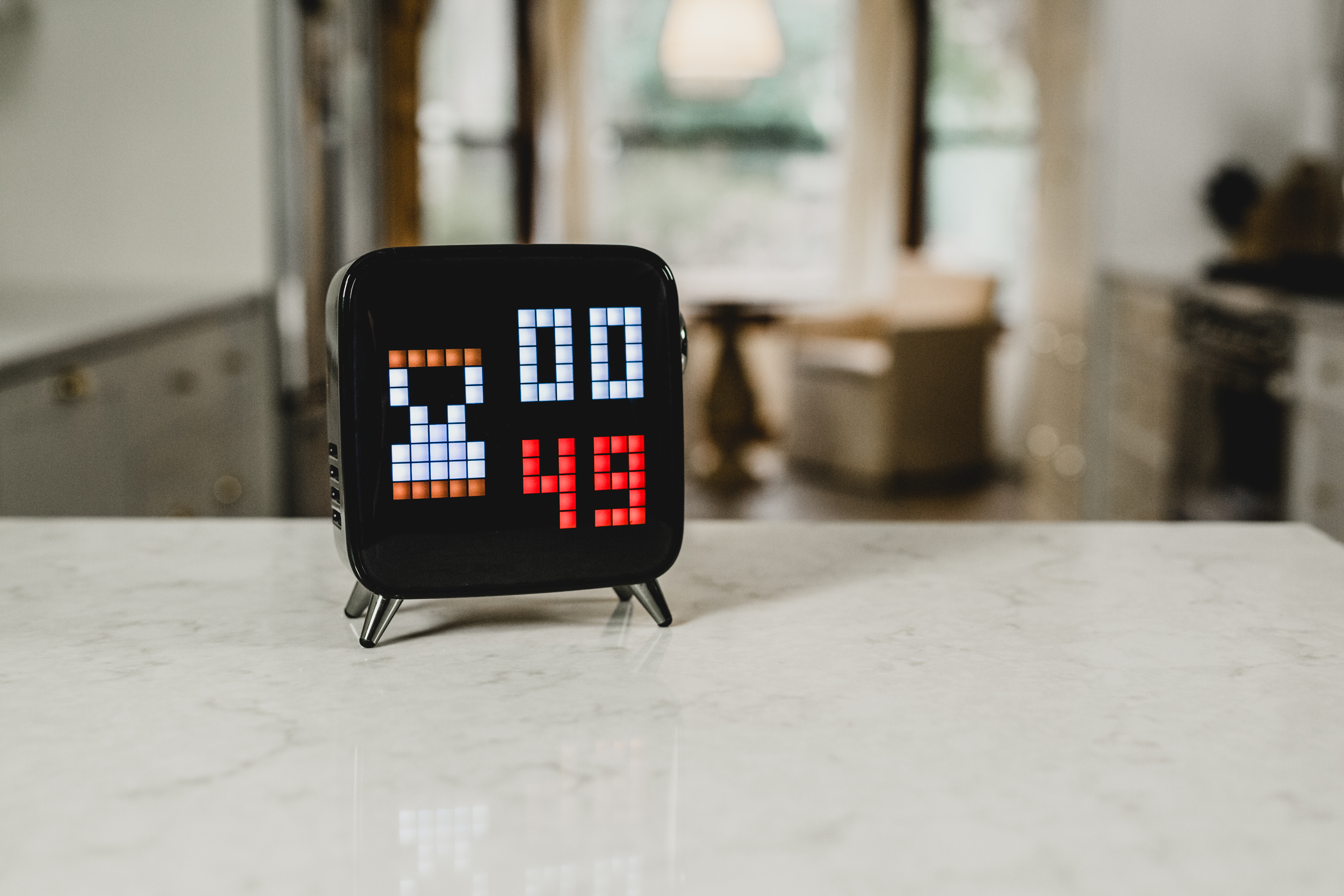
A visible countdown often pushes students to move faster than the task requires. In these moments, speed creates rougher tool contact and gives you less time to correct hand position.
Try breaking the procedure into short stages and finish each movement before thinking about the next one. In the end, a steady pace often saves more time than rushing because you avoid repeating steps after damaging a sample or losing your place. Controlled timing improves accuracy.
Caffeine Might Work Against You
An extra coffee before an exam feels like a smart move when you studied late. However, too much caffeine might raise your heart rate and make fine hand movements harder to control. It’s best to stick with the amount your body already knows instead of doubling your normal intake on exam morning. Eat something before class as well, since hunger and low energy often make concentration harder during long practical sessions. Balance matters more than stimulation.
A better grasp of why your hands shake more during lab exams gives you practical ways to improve before the next test. With realistic practice, your hands will feel more dependable when the microscope light comes on, and the clock starts moving.
About The Author

Got a Questions?
Find us on Socials or Contact us and we’ll get back to you as soon as possible.